
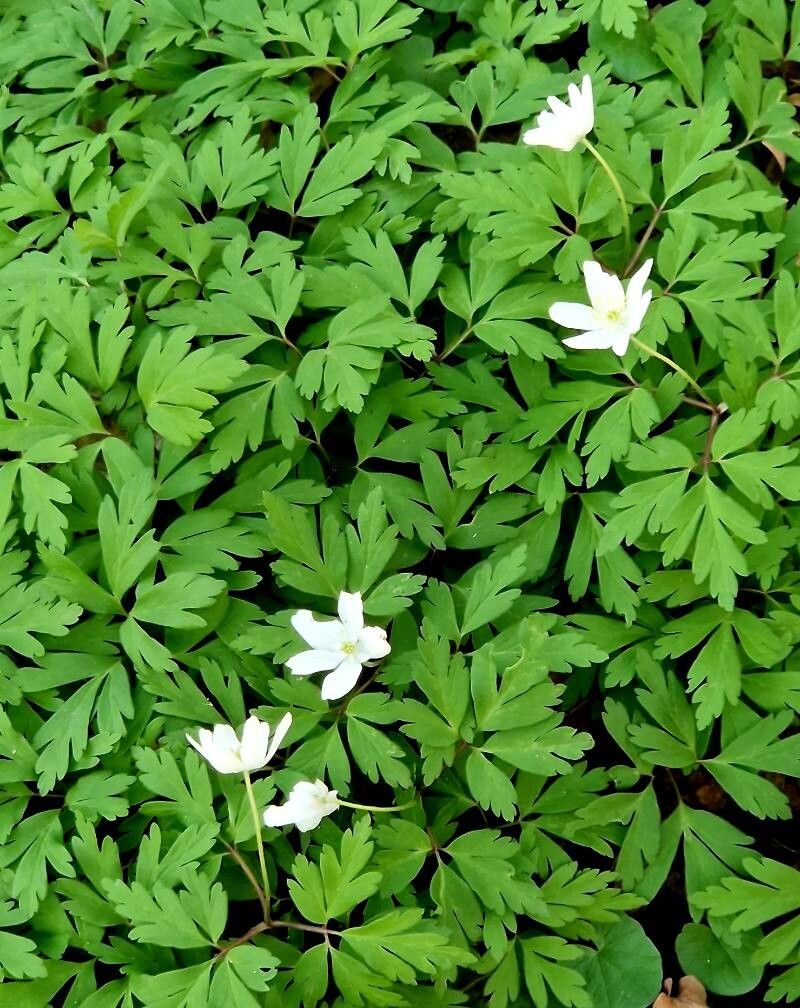
Propagating Wood Anemone (Anemonoides quinquefolia): A Gardener’s Guide
Introduction:
Anemonoides quinquefolia, commonly known as Wood Anemone, is a charming woodland perennial prized for its delicate, white, often subtly tinged, flowers that appear in early spring. Its delicate foliage and low-growing habit make it a popular choice for shade gardens, naturalizing beautifully beneath deciduous trees. While readily available commercially, propagating Wood Anemone offers a rewarding experience for keen gardeners, though it presents certain challenges. The unique aspect of its propagation lies in its relatively low seed viability and the dependence on established plants for successful propagation.
Seed Germination:
Currently, there are no known reliable methods for seed germination propagation of Anemonoides quinquefolia. While seeds may be produced, their germination rate is exceptionally low, often resulting in poor success even with stratification (chilling the seeds) or other pre-treatment techniques. The reasons behind this low success rate are not fully understood, but it likely relates to complex germination requirements and potentially short seed viability.
Cuttings:
Propagation from cuttings is also challenging for Wood Anemone. While softwood cuttings taken in early summer might show some success, the rooting rate is generally very low. The high susceptibility to fungal diseases and the plant’s delicate nature make successful rooting difficult. Even with the aid of rooting hormones and high humidity propagation methods, the overall success rate remains poor, making this a less reliable method.
Division:
Division is the most reliable and readily successful method for propagating Anemonoides quinquefolia. This involves carefully dividing established clumps in early spring or autumn, just as the plant is becoming dormant or beginning new growth.
- Challenges: Care must be taken to avoid damaging the delicate roots. Each division should ideally contain several growth points or buds for successful establishment.
- Practical Tips: Use a sharp, clean knife or spade to divide the clump. Plant the divisions immediately, ensuring adequate moisture and shade. Handle the roots gently, minimizing stress.
- Rewards: Division offers a relatively high success rate, resulting in quick establishment of new plants and preserving the genetic characteristics of the parent plant. It is the easiest way to increase the number of plants you own.
Tissue Culture:
Tissue culture, a more sophisticated method, offers the potential for large-scale, clonal propagation of Wood Anemone. However, it requires specialized equipment, sterile conditions, and expertise in plant tissue culture techniques.
- Challenges: Establishing a sterile environment and mastering the necessary techniques are significant hurdles. Formulating the correct nutrient media for optimal growth and shoot multiplication can be complex and require experimentation.
- Practical Tips: Consult established protocols and experienced tissue culturists. Ensure a sterile lab environment and meticulously follow standardized procedures.
- Rewards: Tissue culture can produce a large number of genetically identical plants rapidly, and potentially overcome the low success rates of other propagation methods. It is ideal for large-scale cultivation or the preservation of particularly valuable cultivars.
Conclusion:
Propagating Anemonoides quinquefolia presents unique challenges. While seed germination and cuttings are largely unreliable, successful propagation is achievable through division. Tissue culture presents a sophisticated option for large-scale propagation but requires specialized knowledge and resources. The reward, however, is immense. Successfully establishing these delicate plants from cuttings or divisions, or even mastering the complexities of tissue culture, offers a unique sense of satisfaction. The effort invested is well repaid when witnessing the emergence of these charming wildflowers, knowing you’ve nurtured them from a small piece of a larger plant or a carefully divided clump. Don’t let the challenges deter you; with patience, the meticulous care involved in propagating Wood Anemone will bring great joy. Start with division – it’s the simplest and most rewarding pathway to success.