
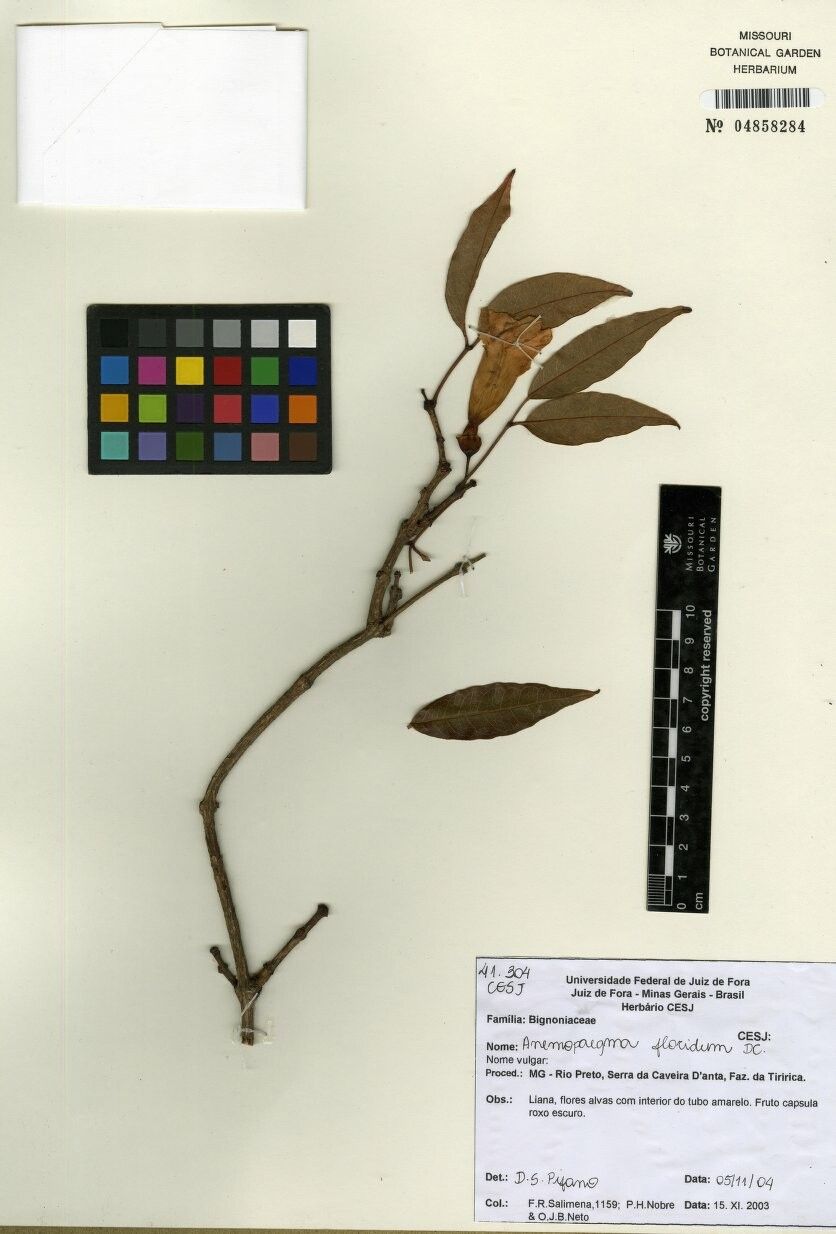
Unlocking the Magic of Anemopaegma floridum: A Guide to Propagation
Anemopaegma floridum, the enchanting “trumpet flower”, is a captivating vine with vibrant, trumpet-shaped blossoms. But its beauty isn’t just skin-deep – it’s also remarkably easy to propagate, allowing you to share its charm with others or create a breathtaking display in your own garden. This detailed guide will explore the secrets of propagating Anemopaegma floridum, empowering you to grow your own vibrant vine with ease.
The Power of Cuttings:
The most common and successful method for propagating Anemopaegma floridum is by taking stem cuttings. This technique allows you to replicate the plant’s genetic makeup, ensuring you get a true-to-type clone.
1. Timing is Key:
The optimal time for taking cuttings is during the spring and early summer when the plant is actively growing. This ensures the cuttings have ample energy reserves for successful root development.
2. Choosing the Right Cuttings:
Select healthy, non-flowering stems that are about 4-6 inches long. Look for stems that are firm and have at least two nodes (the points from which leaves grow).
3. Preparing the Cuttings:
Use a sharp knife or pruning shears to make a clean, angled cut just below a node. Remove any leaves from the bottom inch or two of the stem to prevent rotting.
4. Rooting Medium:
A well-draining mixture of perlite and peat moss is ideal for rooting cuttings. You can also use a commercial rooting hormone for added success.
5. Planting and Care:
- Dip the cut end of the stem in rooting hormone and insert it into the rooting medium, ensuring at least one node is buried.
- Keep the rooting medium moist but not soggy.
- Cover the cutting with a plastic dome or bag to create a humid environment that encourages root growth.
- Place the cuttings in a bright, indirect light location and avoid direct sunlight, which can dry them out.
6. Patience is a Virtue:
Root development can take anywhere from 4 to 8 weeks. Be patient, and monitor the cuttings regularly for signs of new growth.
7. Hardening Off:
Once the cuttings have developed a strong root system, they need to be acclimated to outdoor conditions. Gradually introduce them to more direct sunlight and wind over a period of 7-10 days.
8. Planting in the Ground:
After the hardening off period, your new Anemopaegma floridum plants are ready to be planted in the ground. Choose a sunny location with well-drained soil.
Alternative Propagation Methods:
While cuttings are the most common, Anemopaegma floridum can also be propagated through air layering. This technique involves creating a wound on a stem and wrapping it with moist sphagnum moss and plastic wrap. Roots will form within the moss, allowing you to sever the stem and plant it as a new individual.
A Note on Pests and Diseases:
Anemopaegma floridum is generally resistant to pests and diseases. However, it is important to keep an eye out for aphids, mealybugs, and whiteflies. If you notice any infestations, treat them promptly with insecticidal soap or neem oil.
Conclusion:
Propagating Anemopaegma floridum is a rewarding and fulfilling experience. With a little patience and guidance, you can create a thriving vine of your own that will bring vibrant color and charm to your garden for years to come. So, embrace the magic of this enchanting plant and embark on your own journey of propagation today!