
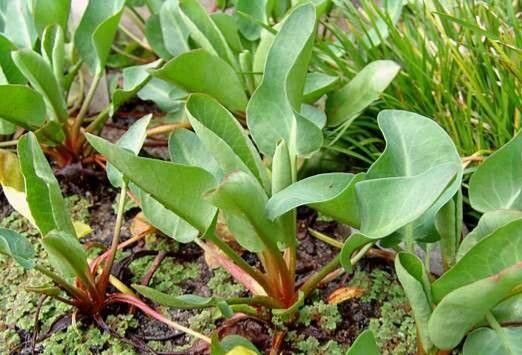
Propagating the Yerba Mansa: A Guide to Cultivating Anemopsis californica
Introduction
Anemopsis californica, commonly known as yerba mansa (meaning "gentle herb" in Spanish), is a fascinating and increasingly popular perennial herb native to the wetlands of California and parts of Mexico. Its attractive, white, whorled flowers and aromatic foliage make it a desirable addition to water gardens and boggy areas. However, its unique ecological niche presents challenges in propagation, making its successful cultivation all the more rewarding. This article explores various propagation methods for Anemopsis californica, weighing their viability and offering practical guidance.
Seed Germination
Currently, there are no known reliable methods for seed germination propagation of Anemopsis californica. While the plant produces seeds, their germination rate is exceptionally low, and successful germination under controlled conditions remains elusive. Further research is needed to identify optimal germination techniques that might mimic the plant’s natural wetland environment.
Cuttings
Cuttings offer a potentially viable method for propagating yerba mansa.
-
Challenges: Stem cuttings can be prone to rotting if not kept in consistently moist but well-drained conditions. The timing of the cuttings is crucial for success.
-
Practical Tips: Take stem cuttings in spring or early summer from healthy, actively growing shoots. Use a sharp, clean knife or shears to avoid damaging the tissue. Remove lower leaves to prevent rotting and dip the cut ends in rooting hormone before planting in a moist, well-draining medium like a perlite and peat moss mix. Maintain high humidity and warmth (around 70-75°F). Mist regularly to prevent desiccation. Propagation under a humidity dome or in a propagator is highly beneficial.
- Rewards: Cuttings provide a relatively quick method of propagation, preserving the genetic characteristics of the mother plant.
Division
Division is arguably the most reliable and practical method for propagating yerba mansa.
-
Challenges: Yerba mansa forms dense clumps, and separating them without damaging the root systems requires careful handling. The timing of division must coincide with periods of active growth.
-
Practical Tips: Divide established plants in spring or early autumn. Gently dig up the clump and carefully separate it into smaller sections, ensuring each division has healthy roots and shoots. Replant immediately in moist, well-drained soil suited to its wetland preference. Water thoroughly after planting.
- Rewards: Division allows for quick and efficient increase of plant stock, leading to larger colonies and a higher chance of success, compared to other techniques.
Tissue Culture
Tissue culture is a complex and expensive method, generally requiring specialized laboratory equipment and expertise.
-
Challenges: Establishing aseptic conditions and developing protocols specific to Anemopsis californica are major hurdles. The success rate can vary greatly depending on the expertise of the practitioner and the specific protocols used.
-
Practical Tips: This method is best left to experienced tissue culture professionals. The development of effective protocols requires significant experimentation and testing.
- Rewards: Tissue culture offers the potential for mass propagation, disease-free plants, and the preservation of rare or endangered genotypes. However, the initial investment in time, resources and expertise outweighs the benefits for a home gardener.
Conclusion
Propagating Anemopsis californica presents unique challenges, with division standing out as the most straightforward and reliable method for the average gardener. While seed germination and cuttings are potentially viable, they require significant patience, skill, and controlled conditions. Tissue culture, although offering the potential for large-scale propagation, demands specialized knowledge and resources. The satisfaction of successfully cultivating yerba mansa, especially after overcoming the challenges of propagation, is deeply rewarding. For aspiring propagators, patience, observation, and a meticulous approach are crucial. Don’t be discouraged by initial setbacks; the unique beauty and ecological significance of this plant make the effort worthwhile.