
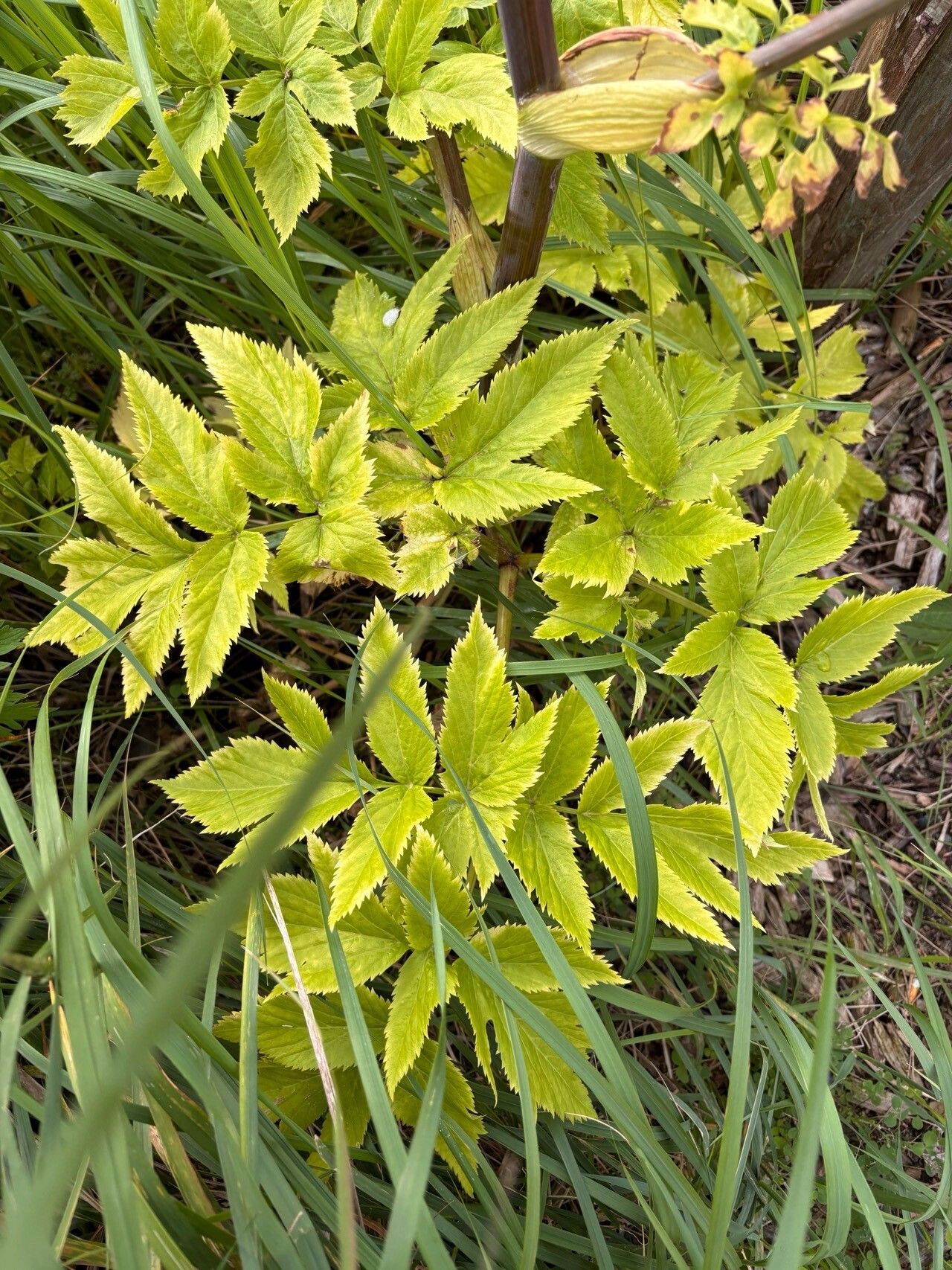
Propagating Angelica lucida: A Gardener’s Guide to the Shining Angelica
Introduction:
Angelica lucida, commonly known as shining angelica or slender angelica, is a striking herbaceous perennial prized for its delicate, finely divided foliage and attractive umbels of tiny white flowers. Its airy form adds a unique texture to borders and wildflower gardens, making it a popular choice among gardeners seeking a touch of elegance. However, propagating this beauty can present unique challenges. Unlike some readily propagated plants, Angelica lucida requires a more nuanced approach, demanding patience and attention to detail. Its captivating appearance, however, makes the effort worthwhile.
Seed Germination:
Currently, there are no known reliable methods for seed germination propagation of Angelica lucida. While seeds may be produced, their germination rate is notoriously low, and successful germination has not been consistently documented. Further research into specific germination requirements, including potential stratification techniques or hormonal treatments, is needed.
Cuttings:
Cuttings present another potential avenue for propagation, though success is not guaranteed.
Challenges: Angelica lucida cuttings are prone to rotting before rooting. The stems are relatively soft and susceptible to fungal diseases.
Practical Tips: Taking basal cuttings (cuttings from the base of the plant) in early spring or late summer might increase success rates. Use a sharp, sterile blade to take cuttings approximately 4-6 inches long, removing lower leaves that would be submerged in the propagation medium. A well-draining propagation mix, such as a peat and perlite blend, is crucial to prevent rotting. High humidity (e.g., using a propagation dome or humidity tent) is essential to prevent desiccation. The use of rooting hormone may increase chances of success.
Rewards: While challenging, successful softwood cutting propagation offers a relatively quick method to increase the number of plants from a mother plant, preserving its exact genetic characteristics.
Division:
Division offers a more reliable method of propagation than seed or cuttings.
Challenges: Angelica lucida may not readily form large clumps suitable for division in all conditions. Dividing too early or too late in the growing season may negatively impact the plant.
Practical Tips: The best time to divide is in early spring, just as new growth emerges. Carefully dig up the entire plant, gently separating the root crown into several smaller divisions, each with its own healthy root system and several shoots. Plant the divisions immediately, ensuring good soil contact and watering.
Rewards: Division is a relatively simple and efficient technique, ensuring the propagation of healthy, established plants, leading to rapid establishment in the garden.
Tissue Culture:
Tissue culture techniques have been successfully adapted for various Angelica species, making this a plausible avenue for propagation, though it requires specialized equipment and knowledge.
Challenges: Establishing sterile conditions for tissue culture is crucial to avoid contamination. The optimization of growth media and specific hormonal treatments may require experimentation. Obtaining sterile plant material is essential.
Practical Tips: Specialized laboratories or tissue culture facilities equipped to handle plant propagation are necessary for this method.
Rewards: This method offers a consistently high propagation rate, allowing for mass production and eliminating the risks presented with seed or cuttings. The resulting plants are also genetically identical to the mother plant.
Conclusion:
Propagating Angelica lucida presents distinct challenges across various methods. Seed germination remains unreliable, while both cuttings and division require specialized techniques to minimize losses and maximize success. Tissue culture, while effective, demands specialized expertise and facilities. Despite the difficulties, the unique ethereal beauty of this shining angelica makes the effort tremendously rewarding. The joy of nurturing a tiny cutting into a mature plant, or successfully dividing an established clump, offers a profound connection to the gardening process. For aspiring propagators, patience, attention to detail, and a willingness to experiment are paramount. Don’t be discouraged by initial setbacks; the eventual success of cultivating this elegant plant is incredibly satisfying.