
Propagating the Giant Javanese Fern: A Horticultural Challenge
Introduction:
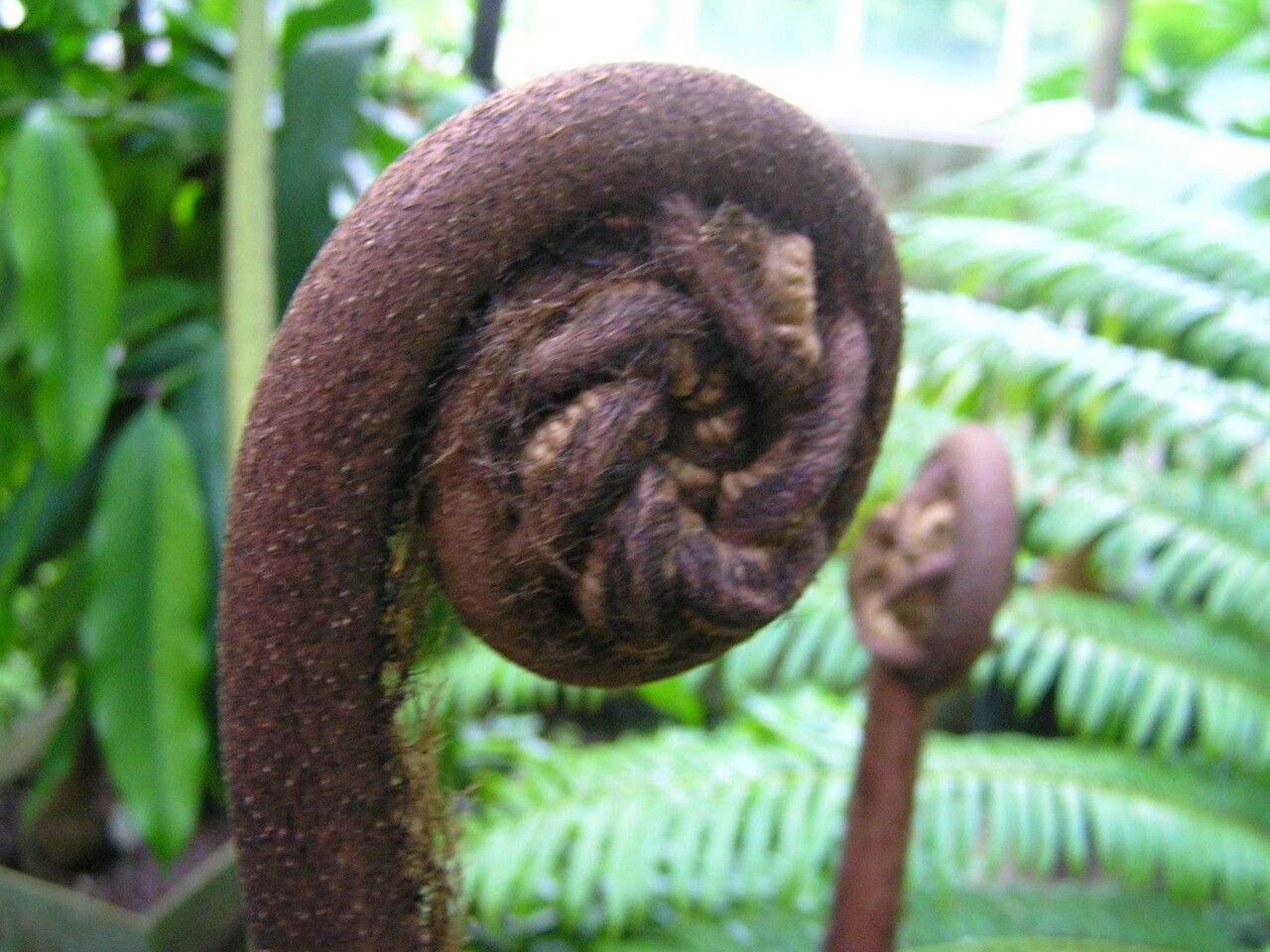
Angiopteris javanica, commonly known as the Javanese giant fern or simply giant fern, is a magnificent spectacle in the horticultural world. This majestic fern boasts impressive fronds that can reach several meters in length, creating a dramatic, tropical statement in gardens and conservatories. Its striking size and unusual appearance make it a highly sought-after plant among fern enthusiasts. However, its propagation presents unique challenges, making successful cultivation a rewarding testament to horticultural skill. While it displays some horticultural appeal, it is not suitable for home gardeners without a greenhouse or warm climate because of its size and needs.
Seed Germination:
Currently, there are no known reliable methods for seed germination propagation of Angiopteris javanica. The plant reproduces primarily through spores, rather than seeds which are not formed. While some fern species can be propagated from spores, the success rate is often low and requires specialized techniques.
Cuttings:
Currently, there are no known reliable methods for propagation of Angiopteris javanica via cuttings. Giant ferns are vascular plants with complex structures that make them extremely difficult to propagate through stem or frond cuttings.
Division:
Division is the most common and viable method for propagating Angiopteris javanica. This involves carefully separating established clumps into smaller sections, each containing sufficient rhizomes and roots.
- Challenges: Dividing the rhizome requires careful handling to avoid damaging the fragile roots and crown. The divisions need to be large enough to support independent growth, and the process is likely to stress the parent plant.
- Practical Tips: Division is best undertaken during the active growing season (spring or early summer). Use a sharp, clean knife or spade to separate the rhizomes. Ensure each division has healthy roots and several fronds. Plant the divisions in a well-draining, humus-rich potting mix. Maintain high humidity and consistent moisture.
- Rewards: Division provides a relatively straightforward means of increasing the number of plants. However, it does not create genetic diversity.
Tissue Culture:
Tissue culture offers a potential avenue for propagating Angiopteris javanica, offering the possibility for large-scale propagation and the production of disease-free plants.
- Challenges: Establishing sterile cultures and finding optimal growth media for Angiopteris javanica requires specialized knowledge and facilities. This method is technically demanding and costly, typically requiring expertise beyond the scope of the average gardener.
- Practical Tips: Successful tissue culture necessitates a sterile laboratory environment and specialized media containing plant hormones to stimulate growth and differentiation. Expertise in plant tissue culture techniques is essential.
- Rewards: Tissue culture allows for the mass production of genetically identical plants, ensuring consistency and opening opportunities for commercial cultivation. It also offers the potential for disease elimination and rapid propagation.
Conclusion:
Propagating Angiopteris javanica presents significant challenges, with division representing the most accessible method for gardeners with experience. While seed and cutting propagation are currently deemed unreliable, the potential offered by tissue culture holds promise for future large-scale propagation efforts. The rewards of successfully cultivating this magnificent plant are considerable, adding a striking focal point to any landscape. The patience and attention to detail required create a uniquely satisfying experience for enthusiastic propagators. Aspiring cultivators should carefully weigh the technical challenges involved, particularly considering the plant’s impressive size and specialized needs, and begin with the division method before attempting more complex techniques. With diligence and the right approach, the majestic presence of Angiopteris javanica can grace your garden, a testament to your horticulturist’s skill.