
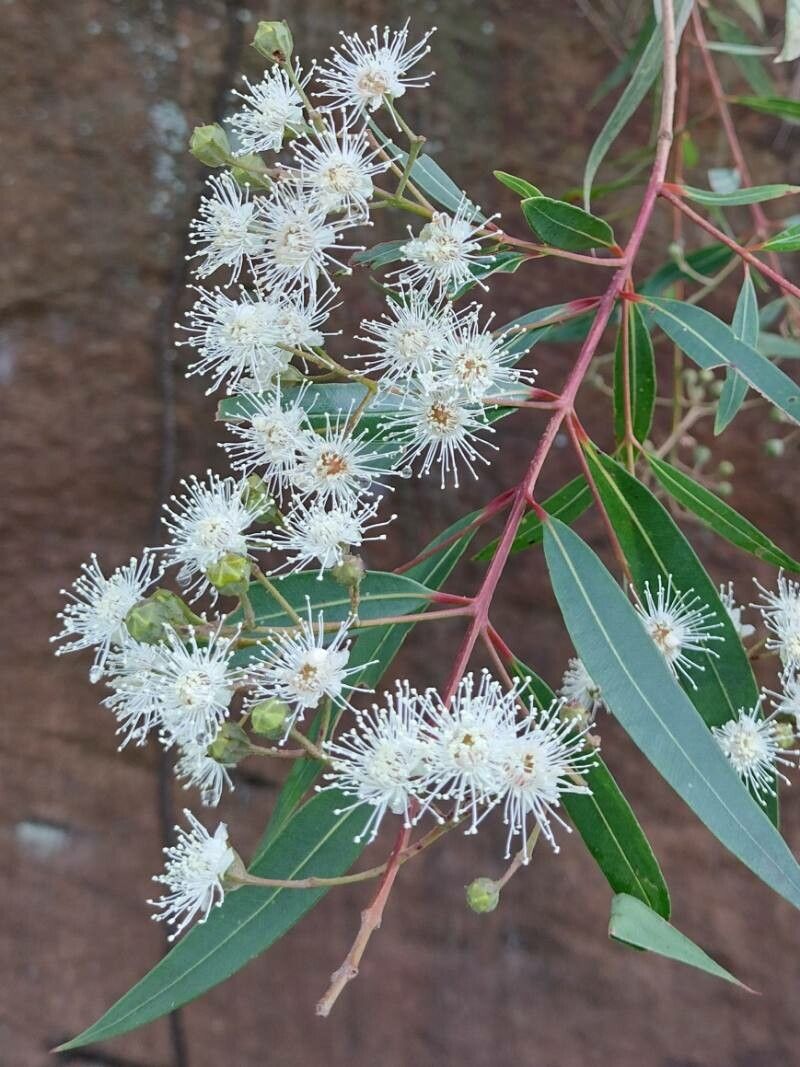
Propagating Angophora crassifolia: A Gardener’s Guide to the Sydney Red Gum
Angophora crassifolia, commonly known as the Sydney red gum, is a striking Australian native tree prized for its attractive, rough bark, glossy foliage, and showy white flowers. Its adaptability to various soil types and its tolerance of drought make it a popular choice amongst gardeners seeking a low-maintenance, yet visually impressive, addition to their landscape. However, propagating this species presents unique challenges not commonly encountered with other garden plants. Its propagation success often depends on the chosen method and meticulous attention to detail.
Seed Germination:
Seed germination is a viable method for propagating Angophora crassifolia, but it’s not without its obstacles. Challenges include low germination rates and the need for specific environmental conditions. Seed dormancy is a significant hurdle; seeds often require a period of stratification to break this dormancy. This can be achieved by pre-soaking the seeds in warm water for 24-48 hours, followed by cold stratification (placing the seeds in a moist medium in a refrigerator at around 4°C for 6-8 weeks). After stratification, sow seeds in a well-draining seed-raising mix, keeping the mix consistently moist but not waterlogged. Germination usually occurs within a few weeks to several months, depending on the conditions and seed viability. Success lies in patience and close attention to moisture levels. The rewards, however, are plentiful: seed propagation offers significant genetic diversity and is an ideal method for large-scale propagation, particularly for conservation or restoration projects.
Cuttings:
Propagating Angophora crassifolia from cuttings is possible, but success rates can be low compared to other species. The challenges lie in the difficulty in rooting hardwood cuttings. Semi-hardwood cuttings taken in late spring or early summer, approximately 10-15cm long, offer the best chance of success. Using a rooting hormone and providing a humid environment (e.g., a propagation chamber) is crucial. A well-draining potting mix is also essential. Patience is needed, as rooting can take several months. While not as efficient as seed propagation for large-scale projects, cuttings allow for the preservation of desirable traits from a parent plant.
Division:
Division is generally not a practical method for propagating Angophora crassifolia. This species develops a substantial taproot system, making it difficult to divide successfully without causing significant damage to the plant, resulting in low survival rates.
Tissue Culture:
Tissue culture offers the potential for rapid and large-scale propagation of Angophora crassifolia, overcoming many limitations associated with seed and cutting propagation. However, this technique requires specialized equipment, sterile conditions, and expert knowledge. It is generally not a suitable method for the average home gardener. The challenges include the need for specialized labs and media, but the rewards are significant in terms of large-scale cloning and disease-free plant production.
Conclusion:
Propagating Angophora crassifolia presents a unique set of challenges, requiring patience, attention to detail, and a willingness to experiment. While seed germination offers the advantages of genetic diversity, the low germination rates and the need for stratification demand careful management. Cuttings offer an alternative, but success relies on creating optimal rooting conditions. Division is largely impractical, and tissue culture, while efficient, is best left to professionals. The inherent difficulties in propagation only add to the sense of accomplishment when your efforts bear fruit (or, more accurately, leaves!). Don’t be discouraged by initial setbacks – the beauty and resilience of the Sydney red gum make the journey of propagation a worthwhile endeavor for those dedicated to cultivating this remarkable Australian native. With careful planning and consistent effort, the successful propagation of Angophora crassifolia is definitely achievable.