
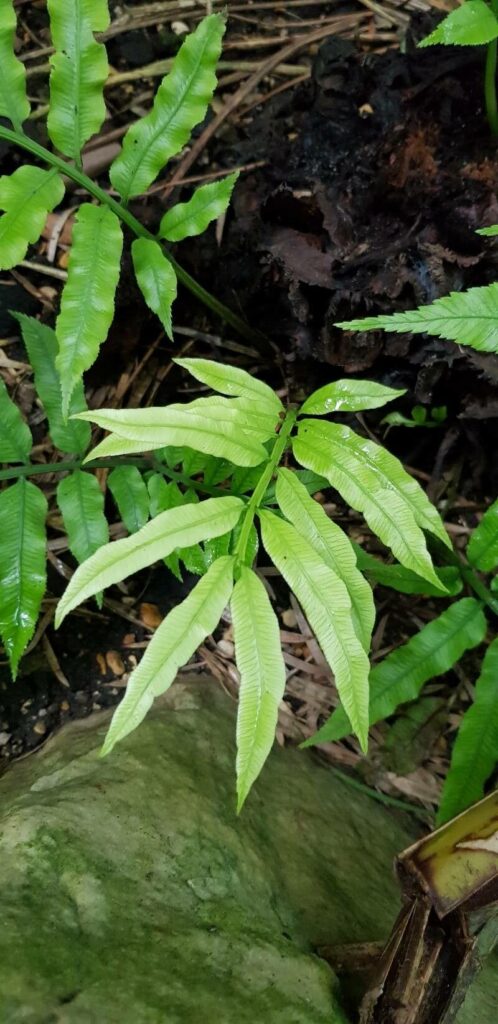
From Spore to Stature: Propagating the Majestic Giant Fern, Angiopteris lygodiifolia
The Angiopteris lygodiifolia, also known as the Giant Fern or the King Fern, is a true spectacle of nature. Its massive fronds, reaching heights of 10 feet or more, create a breathtaking display of lush greenery. But how do you bring the magic of this magnificent fern into your garden? The answer lies in the intriguing world of spore propagation.
The Spore Story: A Journey of Patience and Precision
Unlike many plants that reproduce through seeds or cuttings, the Giant Fern relies on spores. These microscopic gems, hidden on the underside of the mature fronds, hold the key to creating new ferns.
Here’s a detailed look at the process:
- Harvesting the Spores: Locate the mature fronds with prominent brown patches on their undersides. These are the sori containing the spores. Carefully scrape the spores onto a clean surface like a piece of paper.
- Preparing the Growing Medium: Use a sterilized, well-draining mix, like a blend of peat moss, perlite, and vermiculite. This will provide optimal aeration and moisture retention for the delicate spores.
- Sowing the Spores: Sprinkle the spores evenly on the surface of the prepared medium, ensuring there’s no overcrowding.
- Creating the Perfect Environment: Cover the container with a clear plastic wrap or glass to trap moisture and warmth. Maintain a consistent temperature around 75°F (24°C) and high humidity. Avoid exposing the spores to direct sunlight.
- Patience is Key: The spores, unlike seeds, do not sprout immediately; it can take several months for the tiny prothallia (the precursor to a true fern) to develop.
- Transplanting the Young Ferns: Once the prothallia have matured and the first tiny ferns are visible, you can gently transplant them into individual pots filled with a slightly acidic potting mix.
Important Considerations:
- Sterilization: Maintaining sterile conditions is crucial to prevent fungal infections, which can harm the fragile spores and seedlings.
- Humidity: High humidity is essential for spore germination. You might need to mist the growing medium regularly to maintain the desired environment.
- Light: Although spores require dim light for germination, seedlings need indirect sunlight.
- Patience: This form of propagation requires significant patience. Germination can take several months, and the young ferns may take years to reach full maturity.
Beyond the Spore: Other Propagation Methods
While spore propagation is the most common method for Angiopteris lygodiifolia, some enthusiasts explore alternative methods like division. However, these methods are often less reliable and can potentially harm the parent plant.
Conclusion:
Propagating the Giant Fern from spores is a rewarding experience for dedicated gardeners who embrace the challenge of cultivating this magnificent plant. By carefully following the steps outlined above, you can embark on a journey of patience and discovery, witnessing the amazing transformation from a tiny spore to a majestic, towering fern. Remember, success lies in providing the right conditions and patiently nurturing the delicate growth of this unique and captivating plant.