
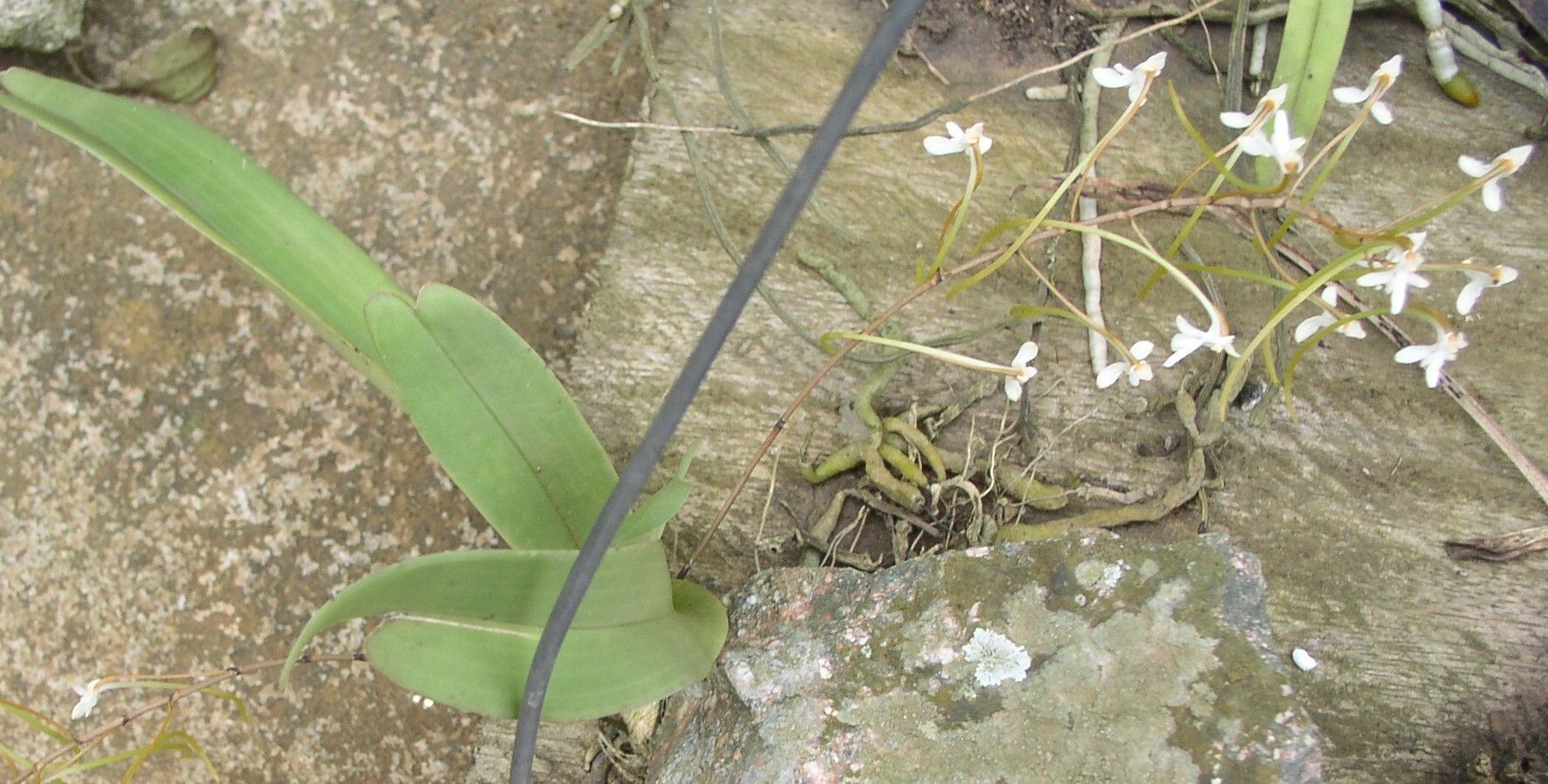
Unlocking the Secrets: Propagating the Enigmatic Angraecopsis lisowskii
The world of orchids is a captivating one, filled with an astounding diversity of shapes, sizes, and colors. Among these botanical wonders is the Angraecopsis lisowskii, a miniature epiphytic orchid native to the rainforests of Central Africa. While its delicate beauty and intriguing growth habit make it a coveted addition to any orchid collection, propagating this unique species can seem like a daunting task. Fear not, orchid enthusiasts! This guide will delve into the intricacies of successfully propagating Angraecopsis lisowskii, empowering you to expand your own orchid family.
Understanding the Orchid:
Before we embark on our propagation journey, it’s crucial to understand the Angraecopsis lisowskii itself. This miniature orchid typically grows as an epiphyte, clinging to trees for support in its natural habitat. It produces slender, upright stems with closely spaced, dark green leaves. Its real showstopper is the delicate, star-shaped, white flowers that emerge from the stem nodes.
Propagation Methods:
While Angraecopsis lisowskii doesn’t readily produce offsets or keikis like some other orchids, two primary methods can be utilized for its propagation:
1. Seed Propagation:
Propagating orchids from seed is considered the more challenging route, often requiring sterile conditions and specialized techniques. Here’s a breakdown:
- Seed Sourcing: Obtaining viable Angraecopsis lisowskii seeds can be the biggest hurdle. Specialist orchid nurseries or online communities dedicated to seed exchange might be your best bet.
- Flask Culture: Orchid seeds lack endosperm, a food reserve. Successful germination typically necessitates “flasking,” where seeds are sown in a sterile nutrient medium within a sealed container. This allows for controlled conditions and prevents contamination.
- Patience is Key: Seed propagation is a long process. Germination alone can take several months, and it may be years before you see your first flower.
2. Division:
For the home grower, division offers a more accessible, though still delicate, approach:
- Timing is Everything: Division is best attempted during the orchid’s active growing season, ideally in spring or early summer.
- Healthy Candidates: Choose a mature Angraecopsis lisowskii plant with at least 6-8 healthy stems.
- Clean Cuts: Using a sterilized, sharp blade, carefully divide the plant into sections, ensuring each section retains a minimum of 3-4 connected stems and a healthy root system.
- Potting Up: Plant each division in a well-draining orchid potting mix, such as sphagnum moss or a mix specifically designed for epiphytic orchids.
- Post-Division Care: Place the newly potted divisions in a warm, humid location with bright, indirect light. Avoid overwatering, allowing the potting mix to dry slightly between waterings.
Nurturing Your Propagations:
Patience and meticulous care are paramount for successful Angraecopsis lisowskii propagation. Maintain a consistently warm and humid environment. Providing adequate air circulation is also crucial, especially after watering, to prevent fungal diseases.
A Rewarding Challenge:
While propagating Angraecopsis lisowskii requires patience and dedication, the reward of successfully nurturing these exquisite orchids far outweighs the challenges. By understanding the plant’s needs and following the appropriate techniques, you can increase your collection and contribute to the conservation of this fascinating species.