
Propagating Angraecum birrimense: A Gardener’s Guide
Introduction:
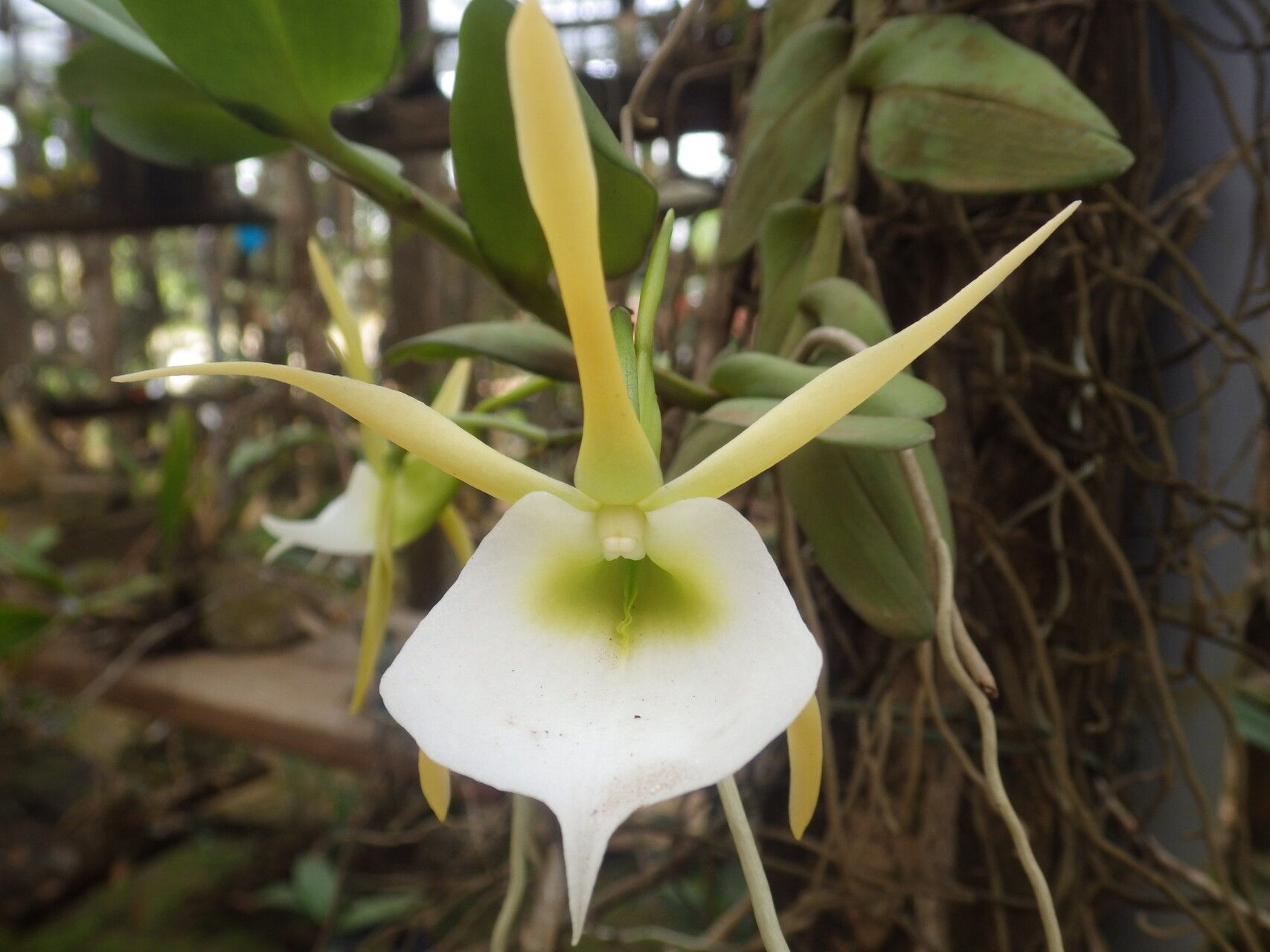
Angraecum birrimense, a species of orchid from the genus Angraecum, is a relatively uncommon but highly prized plant among orchid enthusiasts. While it doesn’t have a widely used common name, its delicate white flowers with a distinctive spur are highly sought after. Its relative rarity, combined with its challenging cultivation requirements, makes successful propagation a source of both pride and satisfaction for experienced growers. Angraecum birrimense propagation is less straightforward than some other orchid species, requiring specialized knowledge and techniques.
Seed Germination:
Currently, there are no known reliable methods for seed germination propagation of Angraecum birrimense. Orchid seeds are famously dust-like and require a symbiotic relationship with specific mycorrhizal fungi for successful germination. Establishing this symbiotic relationship in a controlled environment for this particular species has proven exceptionally difficult. Further research into the specific fungal requirements of Angraecum birrimense is needed to make seed germination a viable option.
Cuttings:
Cuttings are not a viable method for propagating Angraecum birrimense. Unlike some other plant types, orchids generally do not readily root from stem or leaf cuttings. Attempts at cutting propagation will likely result in the loss of the cutting material.
Division:
Division is a potentially viable, albeit limited, method for propagating Angraecum birrimense. This method involves carefully separating a mature plant into multiple sections, each possessing its own roots and pseudobulbs.
Challenges:
- Mature Plant Required: Division requires a mature, well-established plant with multiple growths. Young plants are too fragile for this method.
- Careful Separation: Improper division can severely damage the plant, potentially leading to the death of both the parent and the offspring. Precise cuts with sterile tools are crucial.
- Limited Offspring: The number of offspring obtained through division is limited by the size and number of growths on the parent plant.
Practical Tips:
- Timing: Division is best performed during the growing season when the plant is actively producing new growth.
- Sterilization: Use sharp, sterilized tools to minimize the risk of infection.
- Potting Mix: Repot each division in a well-draining orchid potting mix.
- Post-Division Care: Provide consistent humidity and warmth following division to promote successful establishment.
Rewards:
Successful division allows for the propagation of genetically identical plants retaining the desirable traits of the parent plant, ensuring the continuation of specific desirable characteristics.
Tissue Culture:
Tissue culture offers the most promising method for the large-scale propagation of Angraecum birrimense.
Challenges:
- Specialized Expertise: Tissue culture requires a sterile laboratory environment and significant expertise in plant tissue culture techniques.
- Cost: Establishing and maintaining a tissue culture lab can be expensive.
- Protocol Development: A specific tissue culture protocol needs to be developed for Angraecum birrimense, as not all techniques work for every orchid species.
Practical Tips:
- Find a specialized lab: Collaborate with a commercial lab or university specializing in orchid tissue culture if you don’t have the resources for a dedicated setup.
- Source sterile materials: High quality growth media and sterilization techniques are critical to success.
Rewards:
Tissue culture enables the mass production of genetically identical plants, leading to wider availability of the species or allowing for the creation and expansion of new cultivars.
Conclusion:
Propagating Angraecum birrimense presents significant challenges, with seed germination currently infeasible, cuttings unviable, and division limited in its effectiveness. Tissue culture emerges as the most promising path for large-scale propagation, but demands specialized knowledge and resources. However, the reward of successfully bringing a new Angraecum birrimense plant to life, particularly through division, provides immense satisfaction. It is a testament to the grower’s skill and patience, showcasing the culmination of careful technique, precise attention to detail, and a deep understanding of this unique orchid’s needs. For aspiring propagators, persistence and a willingness to learn are paramount. Start with a solid understanding of orchid care and consider collaboration with experienced orchid growers or tissue culture laboratories to increase your chances of success. Don’t be discouraged by the challenges; the beauty and rarity of Angraecum birrimense make the journey worthwhile.