
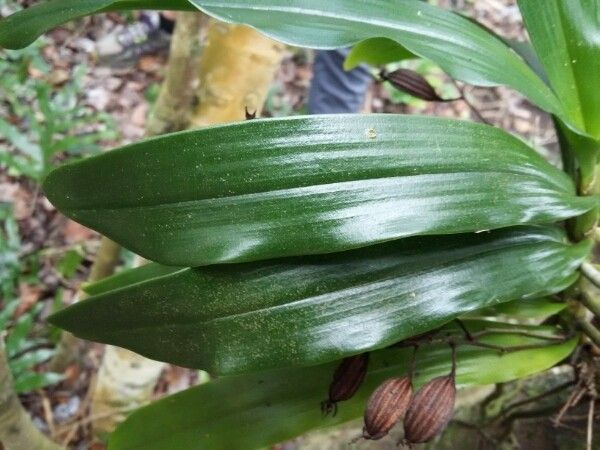
Propagating Angraecum caulescens: A Gardener’s Guide
Introduction:
Angraecum caulescens, sometimes known as the "Climbing Angraecum," is a captivating epiphytic orchid native to Madagascar. Characterized by its slender, climbing stems and delicate, pure white flowers with a characteristic long spur, it holds a significant place in the hearts of orchid enthusiasts. Its relatively compact size compared to other Angraecums, coupled with its elegant blooms, makes it a popular choice for home cultivation. However, propagation presents unique challenges that require patience and a meticulous approach. This article explores the various methods available for propagating this beautiful orchid.
Seed Germination:
Currently, there are no known reliable methods for seed germination propagation of Angraecum caulescens. Orchid seeds, including those of Angraecum species, are extremely fine and lack endosperm (the food source for the developing embryo). They require a symbiotic relationship with specific mycorrhizal fungi for successful germination in nature. Replicating these conditions in a home or laboratory environment is exceptionally difficult and hasn’t proven successful for Angraecum caulescens.
Cuttings:
Cuttings are not a viable method for propagating Angraecum caulescens. Unlike some other orchids, this species doesn’t readily produce adventitious roots from stem cuttings.
Division:
Division is the most commonly employed and reliable method for propagating Angraecum caulescens.
Challenges: The primary challenge lies in ensuring each division has a sufficient root system and a healthy number of pseudobulbs or leaves to support its growth. Dividing too aggressively can weaken or kill the parent plant and the divisions.
Practical Tips: Division should be undertaken during the orchid’s active growth period (usually after flowering). Carefully remove the plant from its mount or pot. Gently separate the plant into sections, ensuring each division has a significant portion of its own root system and at least three healthy pseudobulbs. Plant each division in a well-draining medium, similarly to the parent plant.
Rewards: Division provides a relatively straightforward way to increase the number of plants, preserving the genetic characteristics of the parent plant.
Tissue Culture:
Tissue culture offers a potentially more efficient method for propagating Angraecum caulescens, allowing for large-scale production and the creation of numerous clones from a single plant.
Challenges: Tissue culture requires specialized equipment, sterile conditions, and a good understanding of plant tissue culture techniques. Aseptic procedures are crucial to avoid contamination. Developing a suitable growth medium can also be a challenging process, requiring experimentation to find the optimal balance of nutrients and hormones.
Practical Tips: Success depends on obtaining healthy and disease-free plant material. Experienced laboratories or specialist nurseries have the resources and expertise to carry out this technique effectively.
Rewards: Tissue culture allows for rapid multiplication of desirable genotypes and provides a way to propagate plants that are difficult to propagate through other methods.
Conclusion:
Propagating Angraecum caulescens presents distinct challenges across all methods. While seed germination and cuttings are not currently viable options, division provides a relatively accessible method for experienced growers. For large-scale propagation, tissue culture is the superior method but requires specialized knowledge and equipment. The rewards of successfully propagating this elegant orchid, however, are substantial. The meticulous care and attention required build a deep connection with the plant, and the eventual success – seeing a new plant thrive – carries a unique sense of accomplishment that only a passionate plant enthusiast can truly appreciate. Don’t be discouraged by the challenge; with the right approach, you can enjoy propagating and expanding your Angraecum caulescens collection. Remember to prioritize healthy plant material and careful execution for consistent results, and don’t hesitate to seek advice from more experienced orchid cultivators.