
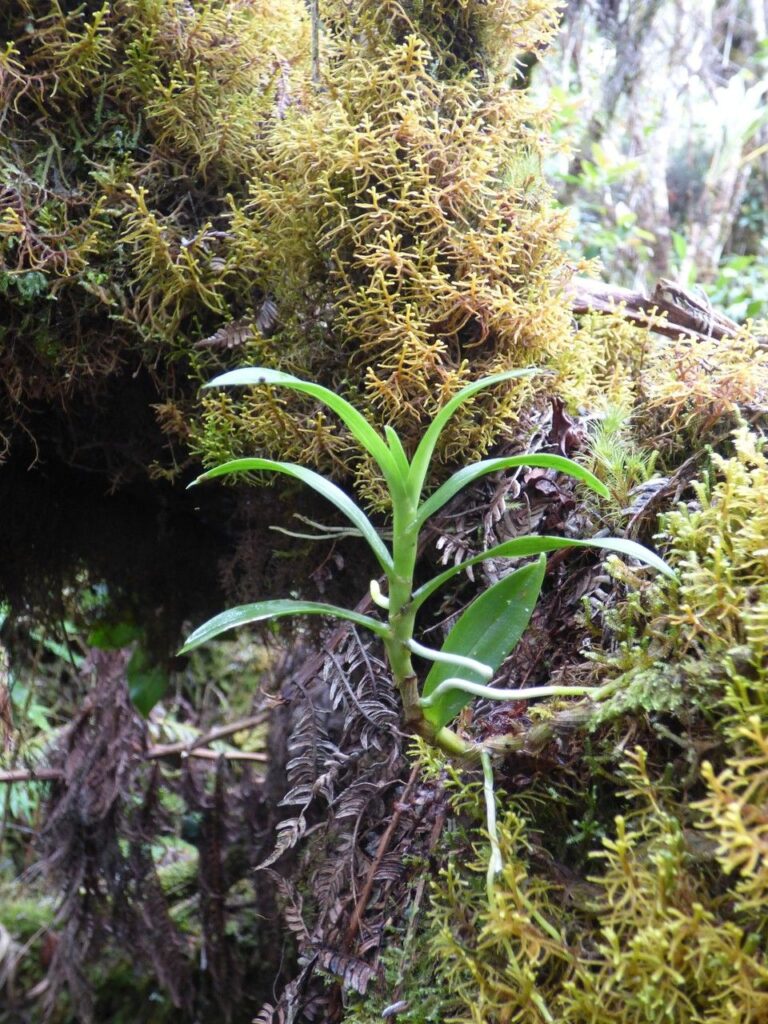
Unveiling the Secrets to Multiplying Your Angraecum costatum Orchid
The Angraecum costatum, with its charming, star-shaped blooms and enchanting nocturnal fragrance, is a captivating addition to any orchid enthusiast’s collection. But conquering its propagation can seem as daunting as navigating a rainforest at midnight. Fear not, fellow orchid aficionados! This guide will shed light on the mysteries of multiplying your Angraecum costatum and help you cultivate a flourishing orchid family.
Propagation Pathways: Choosing Your Adventure
While Angraecum costatum orchids aren’t as prolific at self-propagation as some other species, patience and the right techniques are key. Here are the two primary methods:
1. Keiki Division:
“Keiki” is the Hawaiian word for “baby,” and in the orchid world, it refers to a plantlet that sprouts from the mother plant’s stem. Angraecum costatum occasionally surprises its caretakers with these little miracles.
- Identifying a Keiki: Look for a miniature plant forming along the flower spike, complete with its own leaves and roots.
- When to Divide: Wait until the keiki has developed a robust root system (at least 2-3 roots around 2 inches long).
- How to Divide: Carefully detach the keiki from the mother plant using a sterile, sharp cutting tool. Pot the keiki in a well-draining orchid mix, ensuring the base of the plant is level with the potting medium.
2. Seed Propagation (Advanced):
Propagating orchids from seed requires patience, sterile conditions, and a touch of scientific flair. Due to its complexity, this method is better suited for experienced growers.
- Obtaining Seeds: You’ll need to pollinate your orchid’s flowers and wait for seed pods to develop, or source seeds from a reputable supplier.
- Germination Medium: Orchid seeds require a specialized, sterile medium rich in nutrients. Ready-made flasks or agar plates are commercially available.
- Sowing and Growth: Sow seeds on the sterile medium and provide optimal growing conditions, including high humidity, bright, indirect light, and controlled temperatures. Germination can take several weeks to months.
Creating the Ideal Propagation Environment
Whether you’re dividing keikis or embarking on the seed propagation adventure, providing the right environment is crucial:
- Light: Bright, indirect light is essential. Avoid direct sunlight, as it can scorch the delicate leaves. An east-facing window or artificial grow lights are excellent options.
- Temperature and Humidity: Angraecum costatum prefers warm temperatures (65-80°F) and high humidity (60-80%). Frequent misting, a humidity tray, or a humidifier can help maintain ideal moisture levels.
- Watering: Water thoroughly when the potting mix is almost dry. Avoid overwatering, as soggy roots can lead to root rot.
- Fertilizer: Use a balanced orchid fertilizer diluted to half strength every two weeks during the growing season (spring and summer).
Patience is a Virtue in the Orchid World
Propagating Angraecum costatum requires a gentle touch, keen observation, and a healthy dose of patience. Don’t be discouraged if you don’t see results immediately. With the right care and attention, you’ll be rewarded with the joy of watching new life emerge from your orchid, multiplying your floral treasures for years to come.