
Propagating Angraecum distichum: A Gardener’s Guide
Introduction:
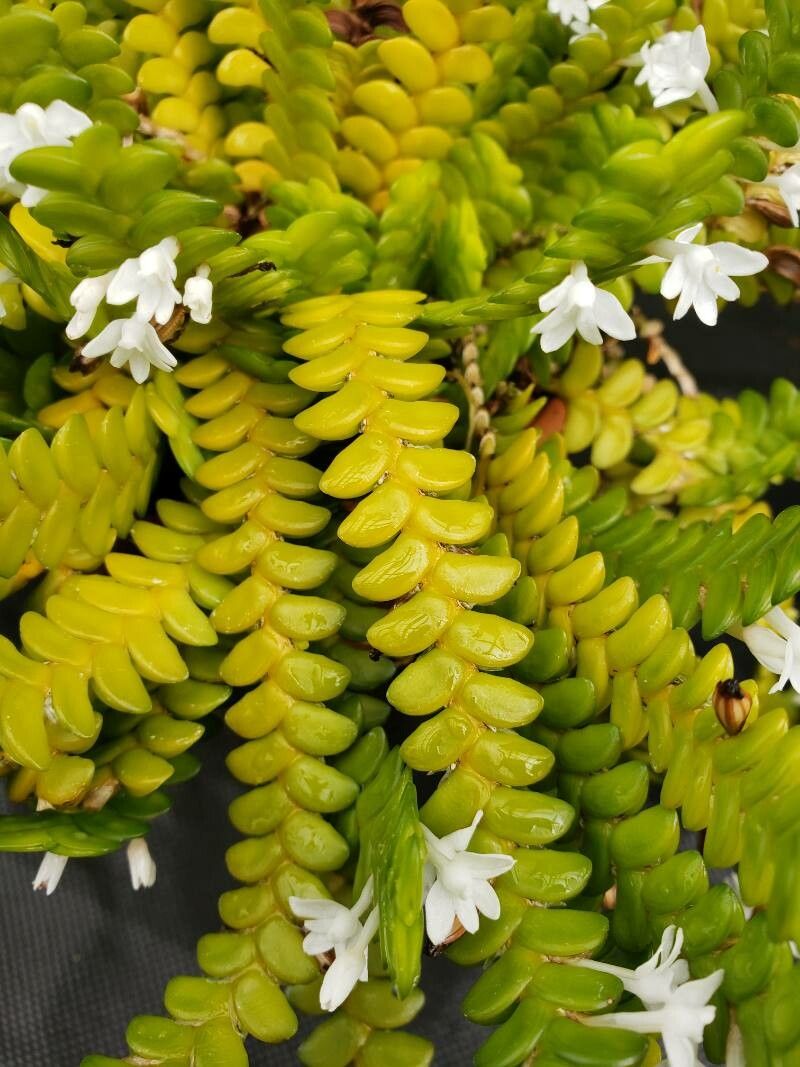
Angraecum distichum, also known as the "Two-rowed Angraecum," is a captivating epiphytic orchid native to Madagascar and surrounding islands. Its slender, pendulous stems adorned with gracefully arranged, distichous (two-ranked) leaves are a visual delight. The delicate, fragrant, white flowers, though small compared to some of its larger Angraecum cousins, add to its charm. While not as extravagantly showy as some other orchids, its ease of cultivation and unique characteristics have earned it a loyal following among orchid enthusiasts. However, propagation presents certain challenges, requiring patience and precision.
Seed Germination:
Currently, there are no known reliable methods for seed germination propagation of Angraecum distichum. Orchid seeds, including those of Angraecum distichum, are dust-like and lack endosperm (the nutritive tissue for the developing embryo). They require a symbiotic relationship with specific mycorrhizal fungi for successful germination. Reproducing these conditions in a home environment is extremely challenging, if not impossible. Even in professional laboratories, seed germination of this species is reportedly difficult and unreliable.
Cuttings:
Cuttings are also generally not a viable method for propagating Angraecum distichum. Unlike some other plants, orchid stems generally lack the ability to readily root from cuttings. Attempts at stem cuttings will usually result in failure due to the lack of adventitious roots and high susceptibility to fungal diseases.
Division:
Division is the most practical and successful method for propagating Angraecum distichum. This involves carefully separating a mature plant into two or more sections each containing established roots and shoots.
Challenges: The main challenge lies in ensuring each division has a sufficient root system to support its independent growth. Damaging the roots during separation can lead to plant failure.
Tips: Divide only mature, healthy plants with well-developed root systems. Use a sharp, sterile knife or shears to minimize damage. Plant each division in a well-draining potting mix appropriate for epiphytes (e.g., bark chips, sphagnum moss). Ensure the divisions are adequately watered but not overwatered to prevent rot.
Rewards: Division provides a relatively straightforward and reliably successful method for increasing the number of plants.
Tissue Culture:
Tissue culture is a viable, albeit specialized, propagation method for Angraecum distichum.
Challenges: Tissue culture requires specialized equipment, a sterile work environment, and a detailed knowledge of plant tissue culture techniques. It is not a method easily undertaken by home growers.
Tips: This should be carried out in a professional laboratory setting. Protocols for orchid tissue culture generally involve sterilizing plant material, establishing sterile cultures on agar-based media, and carefully monitoring the growth and development of plantlets.
Rewards: Tissue culture allows for the large-scale propagation of genetically identical plants (clones). It also offers the potential for disease elimination and the production of disease-free planting material.
Conclusion:
Propagating Angraecum distichum presents unique challenges. While seed germination is currently impractical, and cuttings are unsuccessful, division offers the most accessible method for hobbyist growers. Tissue culture provides a powerful option for large-scale propagation but requires specialized skills and resources. Success in any method demands attention to detail, meticulous care, and patience. The reward, however, is substantial. Nurturing a small division into a flourishing plant, or the satisfaction of witnessing the growth of a plantlet from tissue culture, offers a deeply fulfilling experience that underscores the unique connection between the grower and the plant. To those aspiring to propagate Angraecum distichum, remember that perseverance and a careful approach will significantly increase your chances of success. Don’t be discouraged by setbacks – the beauty of this orchid makes the effort worthwhile.
