
Propagating Angraecum dryadum: A Gardener’s Guide to a Challenging Orchid
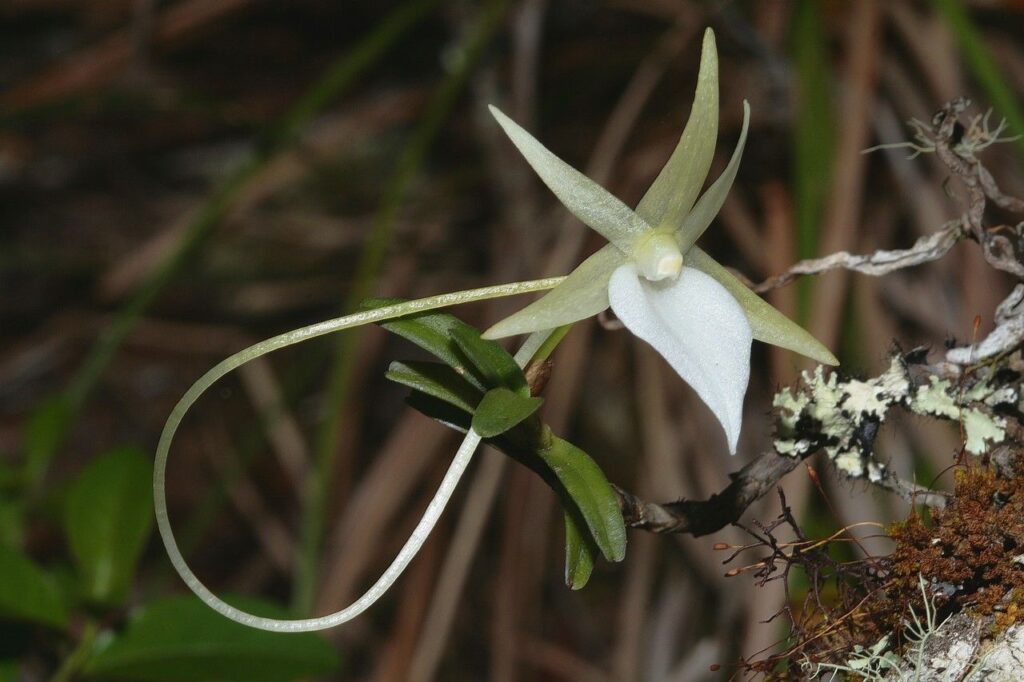
Angraecum dryadum, sometimes called the "Dryad Angraecum," is a captivating miniature orchid species native to Madagascar. Characterized by its slender, pendulous stems, delicate, narrow leaves, and exquisitely fragrant, white flowers, it holds a special place among orchid enthusiasts for its beauty and relative rarity in cultivation. Its compact size makes it suitable for smaller spaces, adding to its popularity. However, propagation presents unique challenges. Successfully reproducing this species requires patience, precision, and a deep understanding of its needs.
Seed Germination:
Currently, there are no known reliable methods for seed germination propagation of Angraecum dryadum. Orchid seeds, including those of Angraecum species, are dust-like and require a symbiotic relationship with specific fungi for successful germination in nature. Replicating these conditions in a home or even a professional lab setting is extremely challenging and hasn’t yielded consistent success for this particular species to date. Further research into specific fungal partners could potentially unlock this method in the future.
Cuttings:
Cuttings are not a viable method for propagating Angraecum dryadum. Unlike some other orchids, this species doesn’t readily produce new plants from stem or leaf cuttings. Attempts at vegetative propagation through cuttings generally result in failure due to the lack of meristematic tissue capable of producing new shoots and roots.
Division:
Division is the most common and reliable method for propagating Angraecum dryadum. This involves carefully separating a mature plant into several smaller divisions, each containing its own roots and shoots.
- Challenges: Divisions must be carefully performed to avoid damaging the fragile roots and stems. Each division should be sufficiently developed with a healthy root system to ensure survival and successful establishment. Over-division can weaken the parent plant and the resulting divisions.
- Practical Tips: Divide only mature, healthy plants that have multiple growth points. Use sharp, sterile tools to minimize damage. Pot each division in a well-draining medium suitable for orchids, and maintain high humidity and consistent moisture levels.
- Rewards: Division offers a relatively simple method for increasing the numbers of Angraecum dryadum plants and preserves the genetic characteristics of the parent plant.
Tissue Culture:
Tissue culture is a potentially viable method but requires specialized equipment, a sterile environment, and expertise in plant tissue culture techniques.
- Challenges: Establishing a sterile environment and maintaining it throughout the process is crucial to prevent contamination. Finding the correct media formulation to induce shoot and root formation is critical, necessitating experimental approaches and potentially significant time investment.
- Practical Tips: Contact experienced tissue culture labs or seek guidance from orchid specialists. Detailed protocols for Angraecum species tissue culture exist, but adaptation and experimentation may be needed for Angraecum dryadum.
- Rewards: Tissue culture allows for large-scale propagation, offering the possibility of producing many clones quickly and efficiently. It also allows for the elimination of diseases and the potential to produce disease-free stock.
Conclusion:
Propagating Angraecum dryadum presents a unique set of challenges. While seed germination currently appears infeasible, division offers a practical, albeit careful, approach for experienced growers. Tissue culture provides a high-potential method but necessitates specialized skills and resources. The rewards of successfully cultivating this beautiful orchid, however, are significant and deeply satisfying. The patience and meticulous care required foster a powerful connection with the plant, amplifying the joy of seeing a small division thrive or a tissue culture flask yield healthy plantlets. Aspiring propagators should start with division, focusing on mastering the art of careful handling and providing consistently ideal growing conditions. With dedication and the right approach, the captivating beauty of Angraecum dryadum can flourish under your care.