
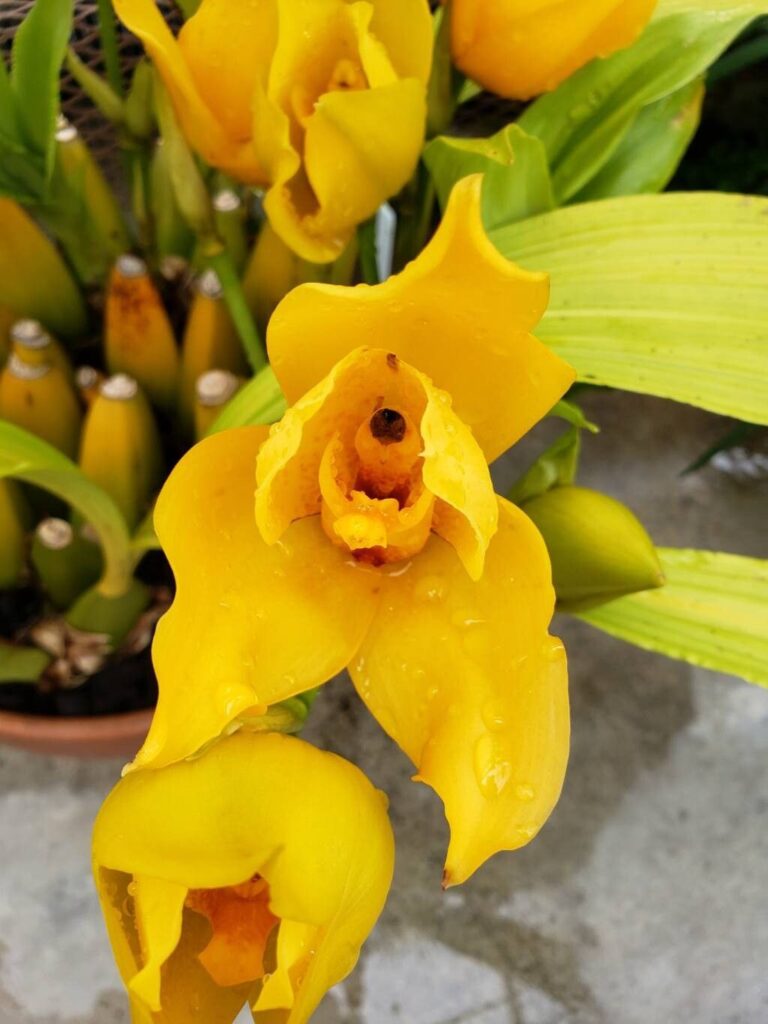
Unlocking the Orchid’s Secret: How to Propagate Anguloa clowesii
The Anguloa clowesii, affectionately nicknamed the “Cradle Orchid” or “Tulip Orchid,” is a sight to behold. Its captivating fragrance and unique, cup-shaped blooms make it a prized possession for orchid enthusiasts. While admiring its beauty is a joy, wouldn’t it be even more rewarding to multiply your floral treasures?
Propagating Anguloa clowesii might seem like a feat reserved for botanical wizards, but fear not! This guide will demystify the process, empowering you to expand your orchid family.
Two Paths to Propagation:
-
Division: The most common and reliable method for propagating Anguloa clowesii is through division. This technique leverages the orchid’s natural growth habit of producing multiple pseudobulbs (thickened stems that store water and nutrients).
- Timing is Key: Divide your orchid during spring, just as new growth emerges. This timing allows the divisions ample time to establish themselves before the next dormant period.
- Tools of the Trade: Gather a sterilized, sharp knife or pruning shears, a pot with drainage holes slightly larger than the division, and a well-draining orchid potting mix.
- The Division Process:
- Carefully remove the orchid from its pot.
- Gently remove any loose potting mix.
- Identify sections with at least 3-4 healthy pseudobulbs connected by a healthy rhizome (the horizontal stem).
- Using your sterilized tool, cut the rhizome cleanly to separate the divisions.
- Dust the cut ends with cinnamon or a fungicide to prevent infection.
- Pot each division in your prepared pot with fresh potting mix, ensuring the base of the pseudobulbs is level with the soil surface.
- Water lightly and place in a warm, humid location away from direct sunlight.
- Seed Propagation: This method is significantly more challenging and time-consuming compared to division. Anguloa seeds are incredibly fine, lacking any endosperm (nutritive tissue) for germination. Successful germination requires sterile laboratory conditions and symbiotic fungi. While fascinating, this method is best left to experienced growers or commercial nurseries.
Post-Propagation Care:
Whether you’ve divided your orchid or are nurturing tiny seedlings, proper care is crucial for successful propagation:
- Light: Anguloa clowesii thrives in bright, indirect light. Avoid direct sunlight, which can scorch the leaves.
- Water: Water thoroughly when the potting mix is almost dry. Avoid overwatering, which can lead to root rot.
- Humidity: Maintain a humid environment, ideally between 50-70%. Utilize a humidifier, pebble tray, or group plants together to increase humidity.
- Fertilizer: Feed your orchids regularly during the growing season (spring-summer) with a balanced orchid fertilizer diluted to half strength.
Patience is a Virtue:
Propagating Anguloa clowesii, especially from seed, is a rewarding but patient endeavor. It might take several years for your plant to reach flowering size. However, the joy of witnessing new life emerge and eventually bloom makes the journey well worth it.
By following these steps and providing the right care, you’ll be well on your way to expanding your orchid collection and sharing the unique beauty of the Anguloa clowesii with fellow plant lovers!