
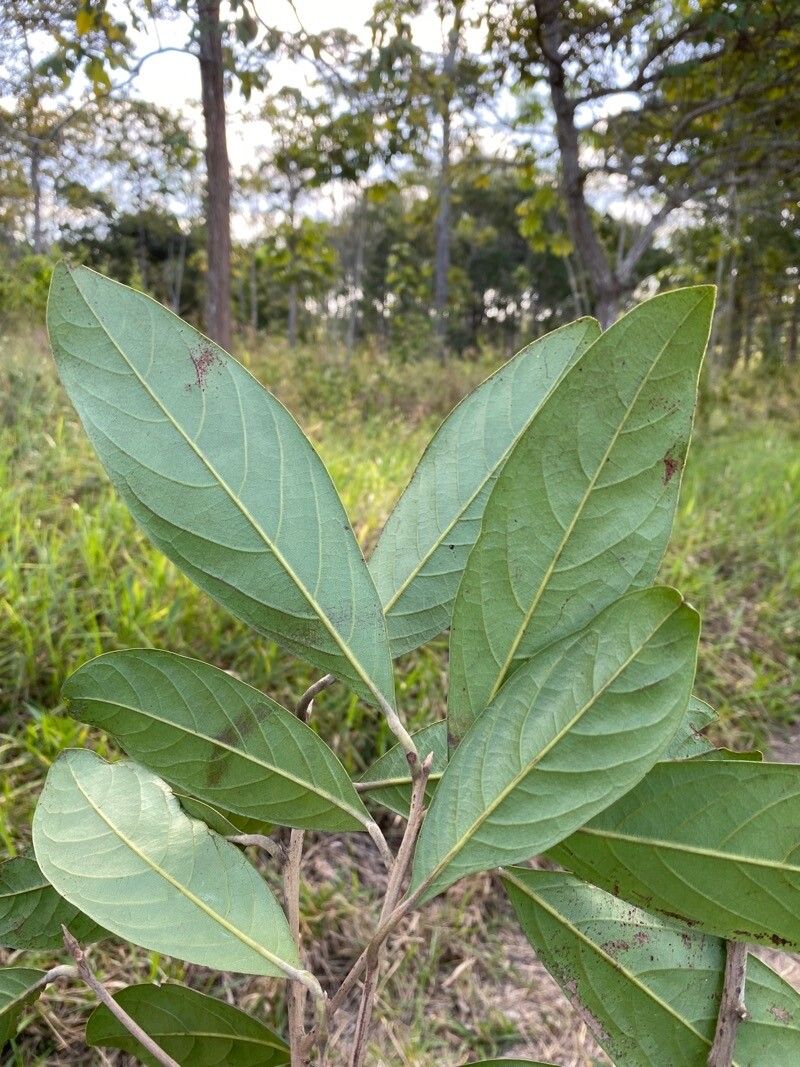
Propagating Aniba canelilla: A Guide for the Determined Gardener
Aniba canelilla, also known as Brazilian cinnamon or canela-preta, is a captivating evergreen tree prized for its aromatic bark and its beautiful, glossy foliage. Its relatively slow growth and unique qualities make it a sought-after addition to specialty gardens and arboreta, sparking interest among plant enthusiasts. However, propagating this species presents particular challenges, making success all the more rewarding. This article explores the various propagation methods for Aniba canelilla, their feasibility, and the rewards they offer.
Seed Germination:
Currently, there are no known reliable methods for seed germination propagation of Aniba canelilla. While seeds may be produced, their germination rate is extremely low, and successful seedling establishment is rarely reported. Further research into specific germination requirements, including potential scarification techniques, hormonal treatments, and optimal environmental conditions, is needed to determine the viability of seed propagation.
Cuttings:
Propagating Aniba canelilla from cuttings presents a moderately viable option, although success is not guaranteed.
Challenges: Aniba canelilla cuttings tend to be slow to root and prone to fungal infections. The success rate is highly dependent on several factors, including the age and health of the parent plant, the timing of cutting collection (ideally during the growing season), and the use of rooting hormones.
Practical Tips: Semi-hardwood cuttings taken in late spring or early summer usually yield the best results. Dip the base of the cuttings in a rooting hormone powder before planting them in a well-draining, sterile propagation mix, such as perlite and vermiculite. Maintain high humidity and warmth using a propagator or humidity dome. Patience is key; rooting can take several months.
Rewards: The main reward is the ability to quickly produce clones of a desirable parent plant, preserving its specific characteristics.
Division:
Division is not a viable propagation method for Aniba canelilla. The tree’s root system is deep and extensive, making division impractical and highly damaging to the parent plant.
Tissue Culture:
Tissue culture offers the most promising, albeit technically demanding, avenue for Aniba canelilla propagation.
Challenges: Establishing a sterile culture and identifying suitable culture media and growth regulators are significant hurdles. Specialized equipment and laboratory conditions are required, making this method unsuitable for the home propagator.
Practical Tips: This method requires expertise in plant tissue culture techniques. Finding a laboratory specializing in rare and difficult-to-propagate species is essential.
Rewards: Tissue culture provides the opportunity for mass production of genetically identical plants, allowing for larger-scale propagation and conservation efforts. This is potentially the most efficient method for the long-term conservation and cultivation of this species.
Conclusion:
Propagating Aniba canelilla presents a unique challenge for even experienced gardeners. While seed propagation is currently unreliable, cuttings offer a moderately promising route, requiring patience and specific techniques. Division is impractical, while tissue culture, though highly effective, is reserved for specialized laboratories. The difficulties involved highlight the rarity and value of this species. However, the satisfaction of successfully propagating Aniba canelilla, whether through cuttings or tissue culture, is immensely rewarding, offering a deep connection to the natural world and the accomplishment of overcoming considerable botanical hurdles. Aspiring propagators should carefully consider their resources and technical capabilities before embarking on this endeavor, but the potential rewards make it a worthwhile pursuit for the dedicated plant enthusiast.