How to Propagate Aniba lancifolia

Propagating Aniba lancifolia: A Gardener’s Guide

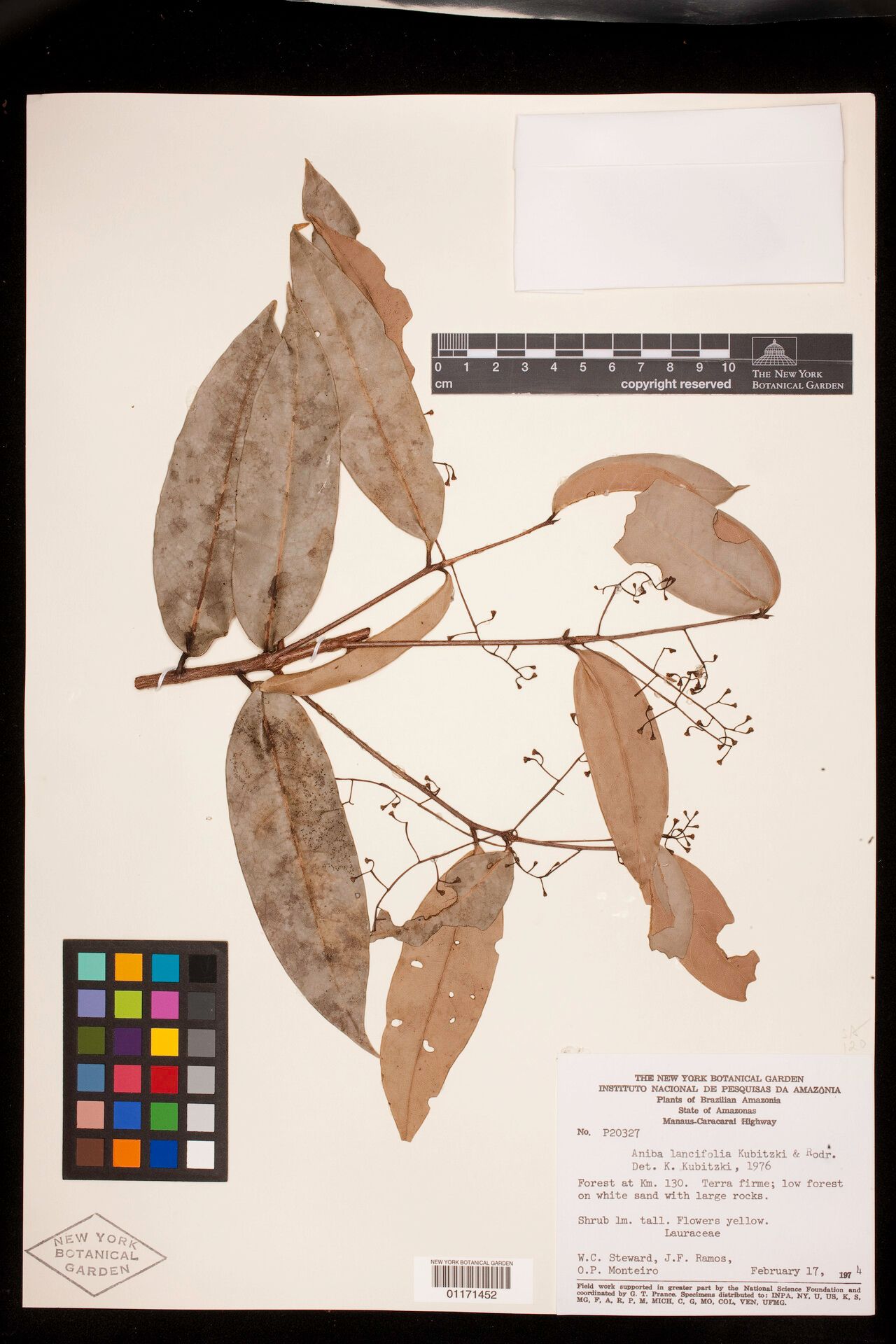
Aniba lancifolia, also known as Saúva, is a captivating Neotropical tree prized for its aromatic leaves and potential medicinal properties. Its striking foliage, often exhibiting a lanceolate shape (hence the species name lancifolia), makes it a sought-after addition to both botanical collections and private gardens. However, propagating this species presents unique challenges, making success a rewarding accomplishment for the dedicated gardener.

Seed Germination:

Currently, there are no known reliable methods for seed germination propagation of Aniba lancifolia. While seeds may be produced, their dormancy and germination requirements remain largely unstudied. Further research is needed to determine if specific pre-treatment techniques, such as scarification or stratification, might improve germination rates.

Cuttings:

Propagating Aniba lancifolia from cuttings shows some promise, although success rates vary widely depending on several factors.

Challenges: The primary challenge lies in rooting hormone application and maintaining high humidity levels. Aniba lancifolia cuttings are prone to fungal infections and desiccation if not handled carefully.

Practical Tips: Semi-hardwood cuttings taken in late summer or early autumn are generally recommended. Using a rooting hormone (IBA) is essential, and mist propagation is highly advised to maintain high humidity levels. Consider using a well-draining propagation mix, such as a peat and perlite blend.

Rewards: Successfully rooting cuttings provides a quicker method of propagation compared to other methods and ensures genetic uniformity, useful for maintaining specific desirable traits.

Division:

Division is not a viable propagation method for Aniba lancifolia. This tree doesn’t produce rhizomes or suckers readily that can be divided for propagation.

Tissue Culture:

While no widely published protocols exist for Aniba lancifolia tissue culture, it presents a potential avenue for large-scale propagation and conservation.

Challenges: Establishing a sterile in vitro environment and identifying suitable growth media and hormone concentrations are critical initial hurdles. Furthermore, this method requires specialized equipment and expertise.

Practical Tips: Research into suitable explant types (e.g., nodal segments, shoot tips), media composition (e.g., Murashige and Skoog medium with various hormone supplements), and sterilization techniques are necessary for success.

Rewards: Tissue culture offers the potential for mass propagation of genetically uniform plants, invaluable for commercial cultivation or conservation efforts. It also allows for the production of disease-free plants.

Conclusion:

Propagating Aniba lancifolia presents a significant horticultural challenge. While seed germination is currently unreliable, cuttings offer a feasible, albeit less efficient, method with the need for specialized care. Division is not a viable option and tissue culture requires considerable skill and resources. Each method presents its unique set of challenges, underscoring the importance of patience and persistence. However, the unique satisfaction of successfully nurturing Aniba lancifolia through any of these methods, especially considering the difficulties involved, is a testament to the gardener’s dedication and adds a significant layer of fulfillment to the cultivation process. For aspiring propagators, I recommend starting with cuttings while simultaneously researching the possibilities of tissue culture as a long-term solution for sustainable propagation of this fascinating species. The journey may be arduous, but the rewards are well worth the effort.

How to Propagate Aniba lancifolia

Propagating Aniba lancifolia: A Guide to Cultivating the Lance-leaved Aniba

Aniba lancifolia, commonly known as the lance-leaved Aniba or occasionally as a variety of Brazilian cinnamon, is a captivating tree prized for its aromatic leaves and potential medicinal properties. Its handsome, lance-shaped foliage and relatively compact growth habit make it increasingly popular among horticulturists and home gardeners. However, propagating this species can present unique challenges. This article explores various propagation methods, outlining their viability, difficulties, and rewards.

Seed Germination:

Currently, there are no known reliable methods for seed germination propagation of Aniba lancifolia. While seeds may be produced, their germination rates are reportedly extremely low, possibly due to dormancy mechanisms or specific environmental requirements not yet understood. Further research is needed to determine optimal conditions for successful seed germination of this species.

Cuttings:

Cuttings offer a more promising approach to propagating Aniba lancifolia.

  • Challenges: The success rate of cuttings depends heavily on factors such as the age and health of the parent plant, the time of year, and the application of rooting hormones. It’s also important to prevent fungal diseases, which can easily affect cuttings.

  • Practical Tips: Semi-hardwood cuttings taken in late summer or early autumn are generally recommended. These should be treated with a rooting hormone prior to planting in a well-draining medium such as perlite and vermiculite mix. Maintaining high humidity (e.g., using a humidity dome or misting regularly) is crucial for success. Bottom heat can also significantly increase rooting success.

  • Rewards: Cuttings allow for the propagation of desirable traits from a parent plant, ensuring uniformity in the offspring. This method is relatively straightforward compared to other options, though it may still require perseverance.

Division:

Division is not a practical method for propagating Aniba lancifolia. This species is typically a tree with a single main stem, making division to create separate plants impossible.

Tissue Culture:

Tissue culture offers a potentially viable, albeit complex, method for large-scale propagation.

  • Challenges: Establishing a successful tissue culture protocol for Aniba lancifolia requires specialized knowledge, equipment (sterile laminar flow hood, autoclave), and considerable expertise in plant tissue culture techniques. Finding the optimal media, growth regulators, and sterilization procedures can be time-consuming and involve rigorous experimentation.

  • Practical Tips: Collaborating with a plant tissue culture laboratory or expert is highly recommended. The process involves sterile sampling of plant tissues (e.g., shoot tips, nodal segments), placing them on a nutrient-rich agar medium, and then subculturing the resulting plantlets into larger containers before acclimatization to greenhouse conditions.

  • Rewards: Tissue culture enables the mass production of genetically identical plants, providing a significant advantage for commercial propagation and conservation efforts. It also allows for the rapid multiplication of superior genotypes.

Conclusion:

Propagating Aniba lancifolia presents unique challenges across all methods. While seed germination hasn’t yielded successful results yet, cuttings offer a reasonable approach for home cultivators with a degree of patience and skill. Tissue culture, being the most complex but potentially most efficient method, requires specialized expertise and resources.

The rewards are well worth the effort, however. The unique satisfaction of successfully nurturing this captivating tree from a cutting or through tissue culture is immeasurable. The aromatic foliage and potential medicinal benefits add to the unique appeal. Aspiring propagators should be prepared for setbacks, but with persistence and careful attention to detail, the successful cultivation of Aniba lancifolia is undoubtedly achievable. Remember to research and select the method most appropriate for your skills and resources.