
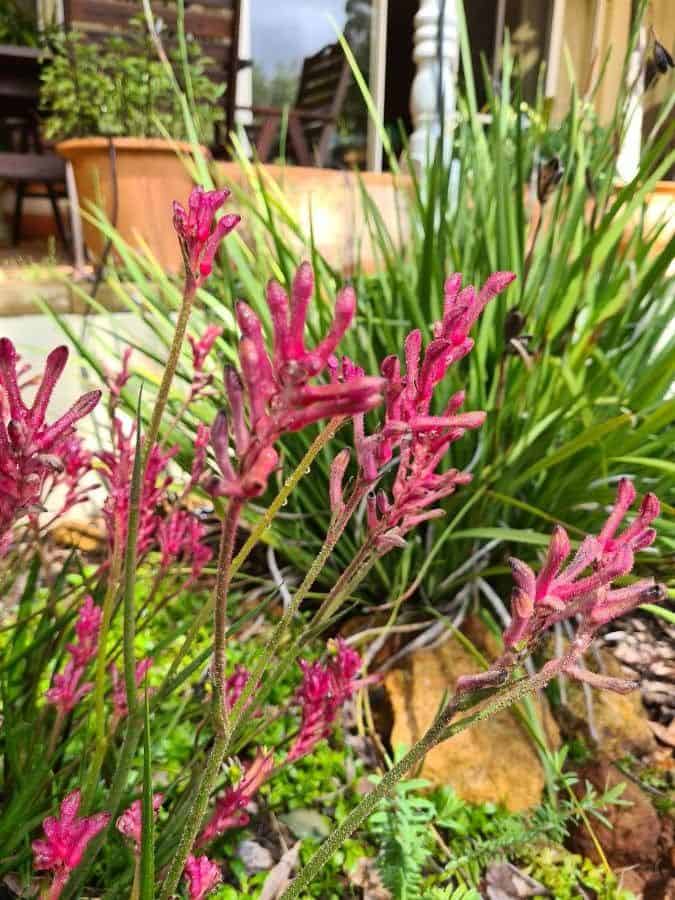
Unleashing the Kangaroo Paw: Your Guide to Propagating Anigozanthos manglesii
The Anigozanthos manglesii, more affectionately known as the Red and Green Kangaroo Paw, is a showstopper with its velvety green and red blooms that truly resemble a kangaroo’s paw. Native to Western Australia, this stunning plant can thrive in your garden too, and with a bit of patience and the right techniques, you can propagate your own vibrant colony.
Two Roads to Propagation: Seeds vs. Division
1. Starting from Seed:
- Harvesting: Collect ripe seed pods from your existing plant. These pods turn brown and dry as the seeds mature.
- Preparation: Nick the seed coat gently with a nail clipper or file. This scarification helps water penetrate and encourages germination.
- Sowing: Use a well-draining seed-raising mix and sow seeds shallowly, around ¼ inch deep. Mist the soil and cover the tray with plastic wrap to retain moisture.
-
Patience is Key: Germination can be erratic and take anywhere from a few weeks to a couple of months. Provide warmth (around 70°F) and maintain consistent moisture.
- Pros: Relatively easy and a great way to produce multiple plants.
- Cons: Slower process and plants may not inherit the exact characteristics of the parent plant.
2. Division: The Clump-Splitting Method
- Timing is Everything: Divide your Kangaroo Paw in early spring when new growth begins.
- Digging Deep: Carefully lift the entire clump from the ground, ensuring you get as much of the root system as possible.
- Splitting with Care: Using a sharp, clean knife or garden shears, divide the clump into sections, each containing a good amount of roots and shoots.
-
Replanting: Choose a sunny location with well-draining soil. Plant the divisions at the same depth they were originally growing and water deeply.
- Pros: Faster method, producing mature plants that are identical to the parent.
- Cons: Requires an existing, established plant to divide.
Nurturing Your New Kangaroo Paws:
Regardless of the method you choose, young Kangaroo Paws need a bit of extra TLC. Here are some important care tips:
- Sun-Kissed Location: Choose a spot that receives at least 6 hours of direct sunlight daily.
- Well-Drained Soil: Kangaroo Paws are susceptible to root rot. Use a free-draining soil mix or amend your existing soil with sand or perlite.
- Water Wisely: While they enjoy regular watering, especially during hot weather, allow the soil to dry out slightly between waterings.
- Feeding for Success: Fertilize lightly in spring and summer with a balanced, slow-release fertilizer.
Propagating your own Anigozanthos manglesii is a rewarding experience. With a little dedication and the right knowledge, you can enjoy the unique beauty of these Australian natives for years to come. So go ahead, unleash the Kangaroo Paw and watch your garden burst with their stunning, paw-shaped blooms!