
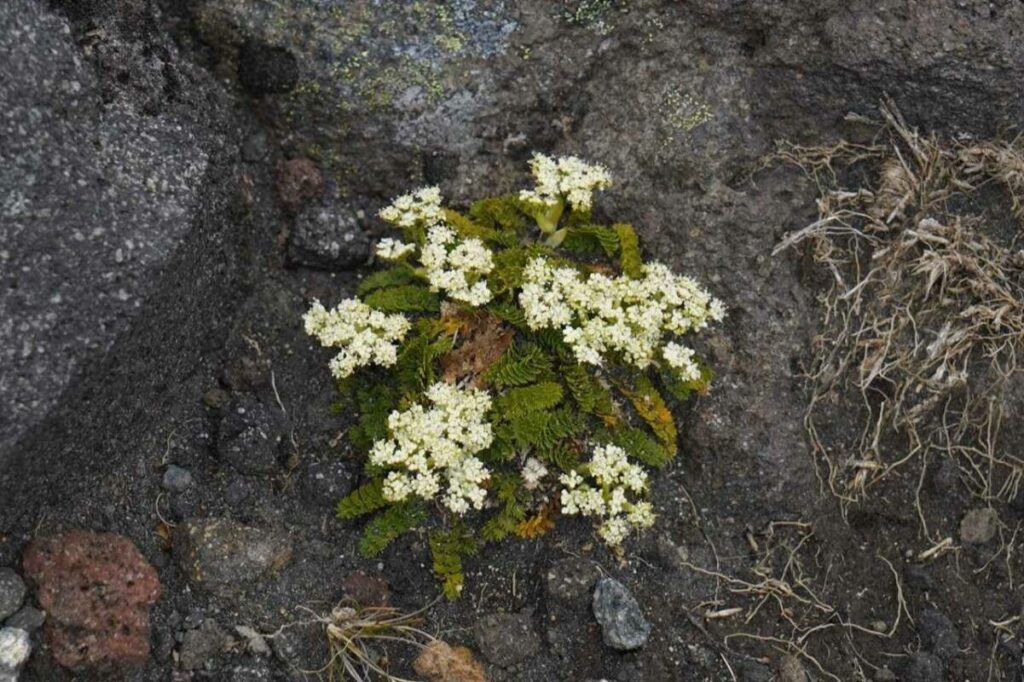
Propagating Anisotome aromatica: A Gardener’s Guide to the Aromatic Carrot
Anisotome aromatica, also known as the aromatic carrot (although not a true carrot), is a captivating New Zealand native plant prized for its finely divided, fern-like foliage and a striking, aniseed-like fragrance. Its delicate charm and adaptability make it a popular choice amongst gardeners, particularly those seeking low-maintenance, drought-tolerant groundcovers. However, its propagation presents some unique challenges. This article explores the various methods available, weighing their feasibility and rewards.
Seed Germination:
Currently, there are no known reliable methods for seed germination propagation of Anisotome aromatica. While seeds may be produced, germination rates are notoriously low and unpredictable, even under carefully controlled conditions. The challenges are likely linked to complex seed dormancy mechanisms not yet fully understood. Further research is needed to determine if specific pre-treatment techniques (such as stratification or scarification) could improve germination success. Therefore, relying on seed propagation for this species is not recommended.
Cuttings:
Cuttings offer a more promising method of propagation for Anisotome aromatica.
-
Challenges: Success rates depend heavily on timing and technique. Softwood cuttings taken in spring or early summer generally yield the best results. However, even then they are slow rooting and susceptible to fungal diseases
-
Practical Tips: Use sharp, sterile tools to take 5-8cm cuttings, removing lower leaves to prevent rotting. Dip the cut ends in a rooting hormone powder before planting in a well-draining, moist propagating mix (e.g., a mix of peat moss and perlite). Maintain high humidity using a propagator or plastic bag, ensuring adequate ventilation to avoid fungal growth.
- Rewards: Cuttings offer a faster way to increase plant numbers compared to division and provide genetically identical offspring, maintaining desirable traits.
Division:
Division is a relatively straightforward method for Anisotome aromatica, particularly for established plants.
-
Challenges: Dividing established plants can be disruptive and must be done carefully to avoid damaging the root system. Plants can be slow to recover if not handled correctly. The success rate is highly dependent on choosing the right time (during dormancy or early spring) and ensuring each division has sufficient roots and foliage.
-
Practical Tips: Gently dig up the plant, carefully separating it into smaller clumps, ensuring each division has a good root ball and several healthy shoots. Replant immediately, providing adequate watering and shading until established.
- Rewards: Division provides a quick method for increasing the number of plants, particularly beneficial for those wishing to propagate a specific cultivar. It’s generally more successful than attempting seed propagation.
Tissue Culture:
Tissue culture offers the potential for large-scale propagation of Anisotome aromatica but is a complex and highly specialized technique.
-
Challenges: Establishing sterile cultures, developing suitable growth media, and managing the process requires specialized equipment, skills, and a controlled environment. It also usually needs to be carried out by a tissue culture facility.
-
Practical Tips: This method is not usually suitable for home gardeners and requires expert knowledge of plant tissue culture protocols.
- Rewards: It allows for rapid multiplication of genetically identical plants and offers opportunities for disease elimination. This is particularly advantageous for conserving rare or valuable cultivars.
Conclusion:
Propagating Anisotome aromatica presents both challenges and rewards. While seed germination is currently unreliable, cuttings and division offer viable alternatives for gardeners. Although division results in slower propagation than tissue culture, compared to cuttings, it is a more accessible method for home gardeners wanting to increase their stock. Tissue culture offers significant advantages for large-scale propagation or conservation efforts, but this expertise is generally beyond the scope of amateur gardeners. The unique satisfaction of cultivating this fragrant native plant after overcoming these propagation hurdles is a testament to patience and perseverance. Don’t be discouraged by initial setbacks; with careful technique and a little persistence, you can enjoy the rewards of successfully propagating your own Anisotome aromatica.