
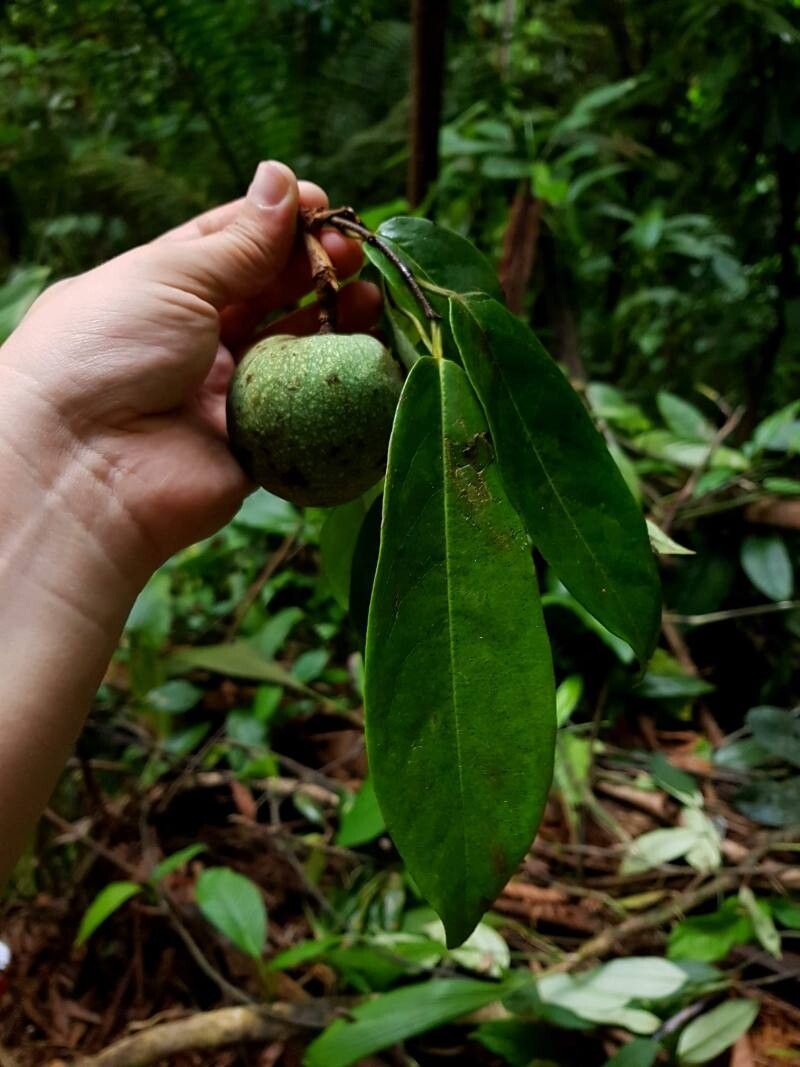
Propagating Annona amazonica: A Gardener’s Guide to the Amazonian Cherimoya
Annona amazonica, also known as the Amazonian cherimoya or araticu-do-amazonas, is a captivating member of the Annonaceae family, prized for its unique appearance and potentially delicious fruit. This neotropical species boasts striking foliage and intriguing, heart-shaped fruit, making it a desirable addition to any collection of exotic plants. Its relatively limited cultivation, however, makes propagation a challenge, sparking curiosity and rewarding dedicated gardeners. Its unique characteristics and less common availability compared to other Annona species contribute to its popularity among plant enthusiasts.
Seed Germination:
Currently, there are no known reliable methods for seed germination propagation of Annona amazonica. While seeds may occasionally germinate under ideal conditions, the success rate is extremely low and unpredictable, making this method impractical for consistent propagation. Further research is needed to identify suitable pre-treatment techniques or specific environmental factors that could improve germination success.
Cuttings:
Cuttings offer a more promising approach than seed germination.
Challenges: Successful rooting of cuttings requires considerable expertise and consistent attention. The optimal timing (likely during periods of active growth) and appropriate hormonal treatments (auxins like IBA) are crucial but not definitively established for Annona amazonica. The high susceptibility to fungal infections also poses a significant hurdle.
Practical Tips: Semi-hardwood cuttings, taken from healthy, actively growing shoots, show greater potential. The use of a rooting hormone and a high-humidity propagation environment (e.g., mist propagation system or humidity dome) are highly recommended. Maintaining sterile conditions is essential to minimize fungal diseases. A well-draining propagation mix is vital to prevent rot.
Rewards: Successful propagation from cuttings ensures the preservation of desirable traits from the parent plant, resulting in genetically identical offspring. It’s also a relatively quicker method compared to other options when successful.
Division:
Division, a technique commonly used for clump-forming plants, is not applicable to Annona amazonica. This species doesn’t naturally develop into separate, easily divisible clumps.
Tissue Culture:
Tissue culture presents a viable, albeit advanced, method for propagating Annona amazonica.
Challenges: Establishing a successful tissue culture protocol requires specialized equipment, aseptic techniques, and a deep understanding of plant tissue culture principles. Finding the appropriate growth media and hormone combinations to induce shoot multiplication and root formation can be complex and time-consuming. Contamination is a constant threat.
Practical Tips: Employing sterile techniques throughout the process is paramount. Experimentation with different media compositions and hormone concentrations is necessary to optimize growth and development. A controlled environment with appropriate lighting and temperature is vital.
Rewards: Tissue culture allows for rapid and large-scale propagation of disease-free plantlets, preserving genetic uniformity and ensuring the availability of planting material. It’s the most reliable method for consistent, successful propagation.
Conclusion:
Propagating Annona amazonica poses distinct challenges across all methods. While seed germination is currently unreliable, cuttings offer a viable alternative, albeit with a demanding learning curve. Division is inapplicable, while tissue culture presents the most promising but technically demanding method for large-scale propagation. The rewards, however, are immense: the satisfaction of nurturing these unique plants from cuttings or tissue culture, the preservation of valuable genetic material, and the privilege of witnessing these exotic beauties thrive in your care. For aspiring propagators, patience, persistence, and a willingness to experiment are paramount. Start with a well-defined approach (cuttings initially, perhaps progressing to tissue culture with more experience), rigorously maintain sterile conditions, and most importantly, celebrate each small success along the way. The difficulty in propagation only enhances the deep satisfaction of successfully cultivating this alluring Amazonian jewel.