
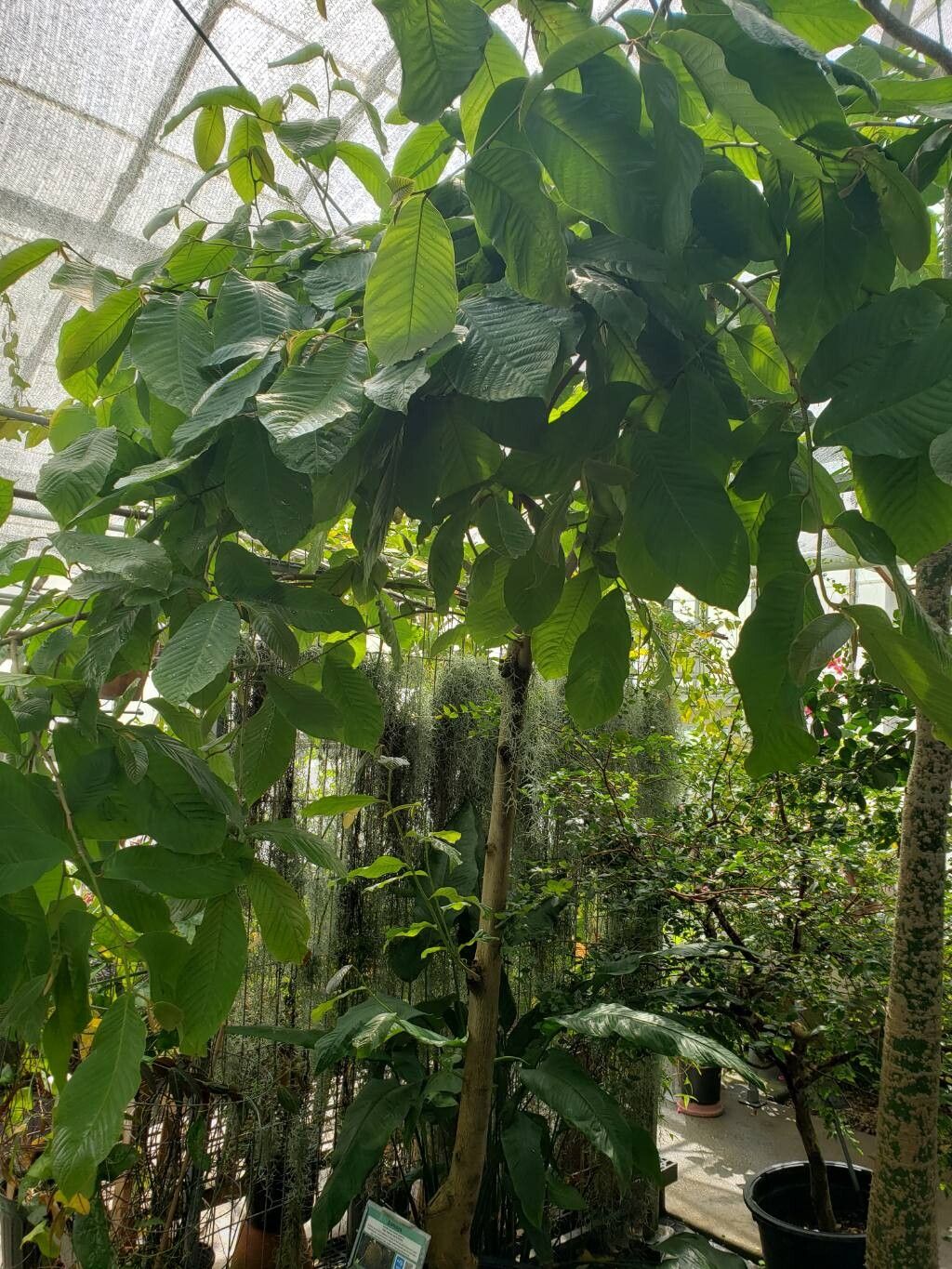
Propagating the Purple Cherimoya: Unveiling the Secrets of Annona purpurea
Annona purpurea, also known as the purple cherimoya or sonco, is a captivating tropical fruit tree prized for its distinctive purple fruit and attractive foliage. Its relatively compact size compared to other Annona species makes it a desirable addition to smaller gardens, while its delicious, albeit somewhat less common, fruit adds a unique element to any orchard. This article explores the various methods of propagating Annona purpurea, detailing the challenges, rewards, and practical techniques involved.
Seed Germination:
Seed germination is a viable, albeit somewhat challenging, method for propagating Annona purpurea. The seeds possess a relatively short viability period, requiring prompt sowing after extraction from ripe fruit. Challenges include a relatively low germination rate and susceptibility to fungal diseases.
Practical Tips:
- Timing is key: Sow seeds immediately after fruit ripens, cleaning them gently to remove pulp.
- Soak & stratify (optional): Soaking the seeds in warm water for 24-48 hours, followed by a brief cold stratification period (2-4 weeks in a moist medium at around 4°C/40°F) may improve germination rates. This isn’t universally necessary.
- Sowing technique: Plant seeds directly into well-draining seed-starting mix at a depth of about twice their diameter. Maintain high humidity (e.g., using a humidity dome) and consistent moisture.
- Light requirements: Ensure adequate but indirect sunlight.
Rewards:
Successful germination offers the potential for significant genetic diversity, leading to potentially unique fruit characteristics. Seed propagation is also a cost-effective method for large-scale propagation, should the germination rate be adequately improved.
Cuttings:
Propagating Annona purpurea from cuttings is generally considered difficult but potentially achievable. Success rate is highly dependent on various factors, including the timing, the type of cutting (softwood vs. hardwood), and the hormonal treatment used. Anecdotal evidence suggests some success, however, widely available and reliable methods are unavailable currently.
Challenges:
- Low rooting success: It has proven notoriously slow and challenging to root cuttings successfully.
- Susceptibility to pathogens: Cuttings are vulnerable to infection if not handled under sterile conditions.
Practical Tips (Tentative):
While no standardized method exists, experiments could focus on using rooting hormone (IBA) and maintaining consistently high humidity and ambient temperature. Softwood cuttings taken in spring may offer the best chances.
Rewards:
Successful propagation from cuttings would allow for the rapid multiplication of desirable genotypes, preserving specific fruit quality or plant characteristics.
Division:
Division is not a feasible propagation method for Annona purpurea. This species doesn’t produce readily separable suckers or offshoots like some other plants.
Tissue Culture:
Tissue culture offers the most reliable method for mass propagation of Annona purpurea. This technique allows for the rapid multiplication of disease-free plants from a small amount of source material. However, establishing protocols for optimal growth and plantlet development would require specialized equipment and expertise.
Challenges:
- Specialized expertise and equipment needed: This method is costly and inaccessible to most home gardeners.
- Contamination risk: Maintaining sterility during the process is crucial.
Rewards:
High efficiency and uniformity in plant production, allowing for large-scale propagation of superior genotypes. Furthermore, the process provides a way for disease-free stock.
Conclusion:
Propagating Annona purpurea presents unique challenges across all methods. While seed germination offers a more accessible albeit less predictable route, it requires patience and diligence. Cuttings and especially tissue culture demand considerable expertise and resources. The rewards for successful propagation, however, are equally significant. Witnessing the growth from seed to a fruiting tree offers immense satisfaction, a testament to one’s dedication and the captivating nature of this unique fruit tree. Cultivating the purple cherimoya requires passion and persistence, but the journey itself will be as rewarding as the ultimate harvest. Aspiring propagators are encouraged to proceed with careful preparation, research, and mindful patience. Further research in optimizing cutting propagation and developing robust tissue culture protocols would benefit this interesting and desirable species.