
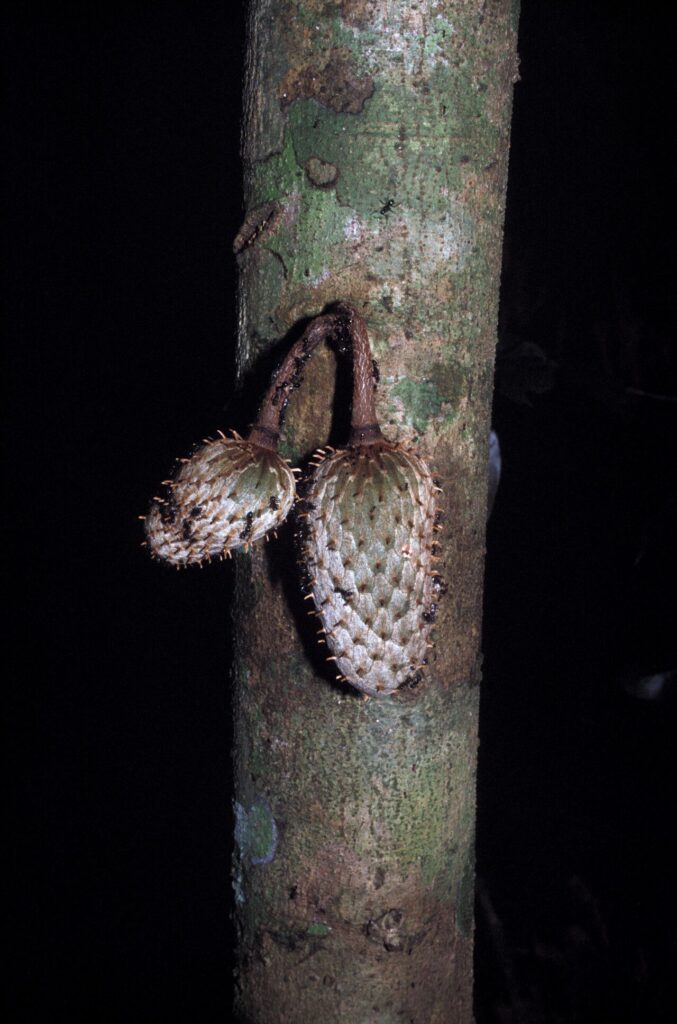
Unmasking the Stinky Enigma: Propagating the Annona foetida
The Annona foetida, also known by the less-flattering moniker “stinking custard apple,” might not be the first plant that comes to mind when you think of home gardening. The unusual, spiky fruit and, let’s be honest, somewhat unpleasant odor might deter even the most adventurous plant enthusiast. However, this unique member of the Annonaceae family, native to South America and parts of the Caribbean, offers an intriguing challenge for those willing to look past its quirks and delve into the rewarding world of plant propagation.
While readily available at nurseries in its native range, the Annona foetida can be difficult to find elsewhere. This is where propagation comes in, offering the chance to cultivate this unusual fruit tree and perhaps even share it with fellow plant lovers. There are two primary ways to propagate the stinking custard apple:
1. Seed Propagation: The Long Game
Propagating from seed is the most common method for Annona foetida. While it requires patience, as fruiting can take several years, it offers a fulfilling journey for any plant enthusiast. Here’s a step-by-step guide:
- Seed Collection: Harvest seeds from ripe fruit, ensuring they are plump and healthy. Wash off any remaining fruit pulp to prevent fungal growth.
- Scarification: Due to the hard seed coat, scarification significantly improves germination rates. Gently rub the seed coat with sandpaper or a file, creating a small opening for moisture absorption.
- Sowing: Use a well-draining seed starting mix and sow the seeds about an inch deep. Keep the soil consistently moist but not waterlogged.
- Patience: Germination can be erratic, taking anywhere from a few weeks to several months. Be patient, maintain a warm and humid environment, and you’ll be rewarded with seedlings eventually.
2. Grafting: A Faster Track to Fruit
Grafting offers a faster route to fruiting compared to seed propagation. However, it requires some experience and a suitable rootstock, typically another Annona species like the common custard apple (Annona reticulata). Here’s a simplified breakdown:
- Rootstock: Select a healthy rootstock about the thickness of a pencil.
- Grafting: Utilize a common grafting method like cleft grafting or whip grafting. This involves making precise cuts on both the rootstock and a scion (a piece of stem from a desirable Annona foetida).
- Securing: Wrap the graft union tightly with grafting tape and apply a grafting sealant to prevent desiccation.
- Aftercare: Provide the grafted plant with consistent moisture, warmth, and humidity. With proper care, the graft should fuse in a few weeks, and new growth should emerge from the scion.
Challenges and Rewards
Propagating Annona foetida, regardless of the chosen method, comes with its share of challenges. The plant is susceptible to fungal diseases, especially in humid environments, so vigilance with watering and providing adequate air circulation is crucial. Additionally, pests like mealybugs and scale insects might require intervention.
Despite these hurdles, successfully propagating the stinking custard apple offers immense satisfaction. Not only will you have conquered a horticultural challenge, but you’ll also be able to enjoy the unique fruit and perhaps even contribute to the preservation of this unusual species. So, embrace the challenge, and let the stinking custard apple surprise you with its fascinating journey from seed (or scion) to fruit!