
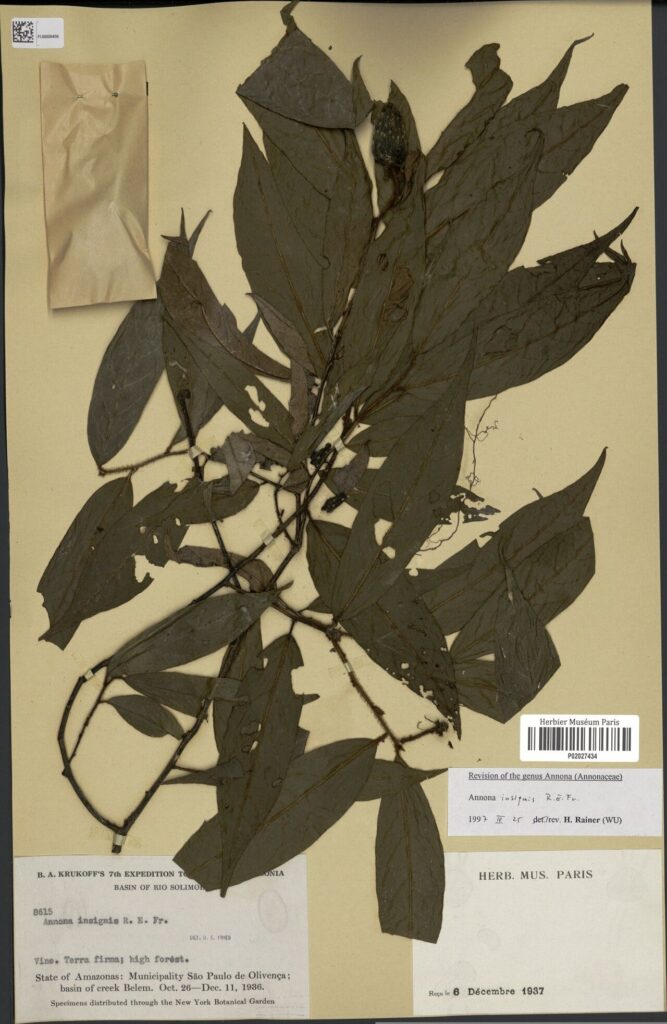
Propagating the Cherimoya’s Cousin: A Guide to Annona insignis
Introduction
Annona insignis, also known as the pond apple or ilama, is a captivating member of the Annonaceae family, closely related to the beloved cherimoya. This tropical tree boasts a unique aesthetic appeal with its large, leathery leaves and attractive, albeit somewhat less celebrated, fruit. While not as commercially popular as some other Annona species, Annona insignis is gaining traction among enthusiastic gardeners drawn to its exotic beauty and relative ease of cultivation in suitable climates. Its propagation, however, presents a unique set of challenges, making successful cultivation a rewarding endeavor.
Seed Germination
Seed germination of Annona insignis is possible, but success rates can be highly variable and often low. Challenges include a relatively short seed viability period, often requiring fresh seeds for optimal results. Seed dormancy is typically minimal, but proper preparation is crucial.
Tips for Seed Germination:
- Seed Source: Use only fresh, ripe seeds from healthy fruits. Older seeds significantly reduce germination rates.
- Sowing Technique: Sow seeds directly into well-draining potting mix, ensuring shallow planting depth (approximately 1cm/0.5in).
- Environmental Conditions: Maintain consistently warm temperatures (25-30°C/77-86°F) and high humidity. Good airflow is also important to prevent fungal diseases.
- Watering: Keep the soil consistently moist but not waterlogged. Overwatering can lead to rotting.
Rewards: Successful germination from seed contributes to increased genetic diversity within cultivated Annona insignis populations. This diversity can enhance resilience to diseases and pests, and opens possibilities for large-scale propagation programs. However, given the variable germination success rate, it’s not a consistently reliable method.
Cuttings
Propagation via cuttings is generally considered more reliable than seed germination for Annona insignis. However, success still hinges on factors such as the age and health of the parent plant, the type of cutting taken, and hormonal treatments.
Tips for Cuttings Propagation:
- Cutting Type: Semi-hardwood cuttings taken from actively growing, young shoots generally perform best.
- Hormonal Treatment: Application of rooting hormones significantly improves rooting success rates.
- Substrate: A well-draining mixture, such as perlite and vermiculite, provides an ideal environment for root development.
- Environmental Conditions: Maintaining high humidity, optimal temperatures (25-30°C/77-86°F), and protection from direct sunlight are crucial.
- Misting: Regular misting helps maintain humidity levels during propagation.
Challenges: While generally more reliable than seed germination, rooting cuttings still requires precision and careful management. Low success rates might still be encountered if proper technique and environmental conditions aren’t maintained.
Rewards: Cuttings yield genetically identical plants to the mother plant, ensuring consistency in fruit characteristics and overall plant vigor.
Division
Division is not a practical method for propagating Annona insignis. This species does not readily produce suckers or offsets that can be easily separated and propagated.
Tissue Culture
Tissue culture presents a potential avenue for large-scale propagation of Annona insignis, offering the highest potential for consistent success and rapid multiplication. However, requires specialized laboratory equipment and technical expertise.
Challenges: Setting up and maintaining a tissue culture laboratory is costly and requires specialized training. The protocol for Annona insignis would necessitate research and experimentation to determine optimal media composition, growth regulators, and sterilization techniques.
Rewards: Tissue culture offers the ability to produce a large number of genetically identical plants quickly and efficiently, enabling mass production for commercial purposes or conservation efforts.
Conclusion
Propagating Annona insignis presents a unique set of challenges, varying in difficulty according to the chosen method. While seed germination offers genetic diversity but low success rates, cuttings provide a more reliable albeit less diverse option. Tissue culture promises large-scale propagation but requires specialized knowledge and resources. The rewards for success, however, are significant. Cultivating this beautiful and fascinating species, having overcome its propagation hurdles, offers a profound sense of accomplishment and a touch of tropical splendor to one’s garden. For aspiring propagators, perseverance, attention to detail, and thorough research are essential tools in this rewarding challenge. Don’t be discouraged by initial setbacks; every success, no matter how small, brings you closer to experiencing the unique satisfaction of cultivating this special plant.