
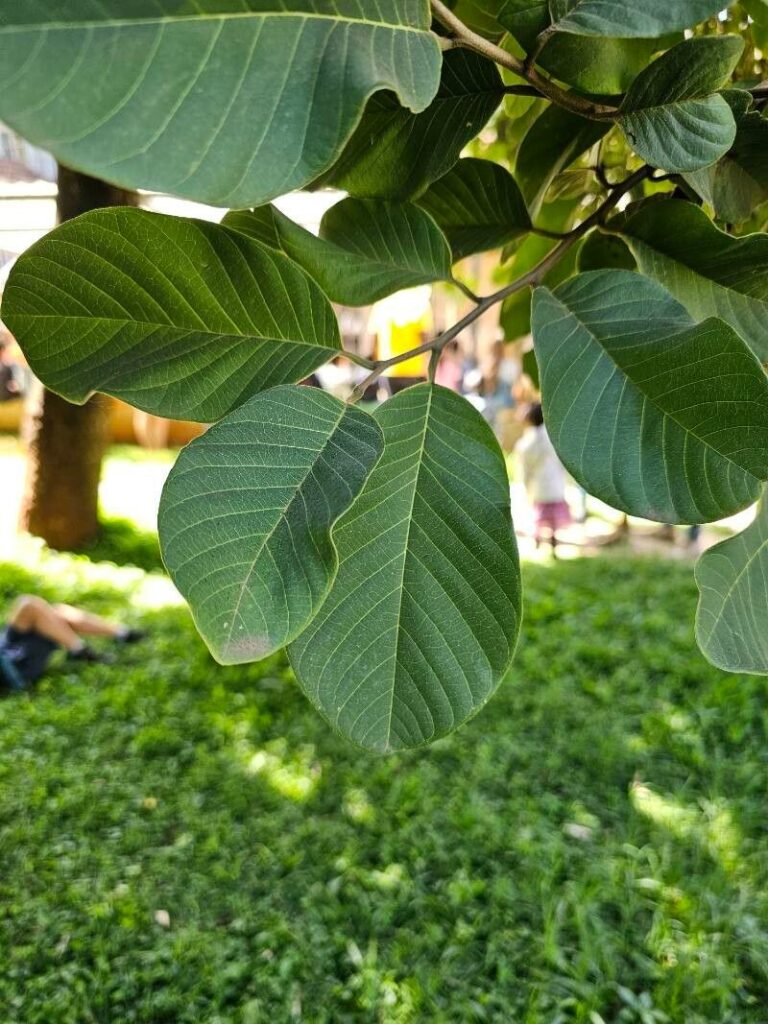
Unlocking the Secrets of the African Custard Apple: Propagating Annona senegalensis
The African custard apple, known scientifically as Annona senegalensis, is a treasure trove of delicious fruit and medicinal properties. This hardy tree, native to the African continent, boasts vibrant green foliage, alluringly fragrant flowers, and sweet, creamy fruit—a true delight for the senses!
If you’re looking to invite this exotic beauty into your garden, you’re in luck! Propagating Annona senegalensis is an achievable endeavor, rewarding you with the joy of nurturing a plant from its very beginnings. Let’s delve into the fascinating world of propagating this remarkable tree.
Method 1: Sowing the Seeds
- Source your seeds: Fresh seeds extracted directly from ripe fruit offer the highest germination rates. Gently wash off the pulp and allow them to air dry for a day or two.
- Mimic nature’s incubator: Before sowing, soak the seeds in warm water for 24 hours. This softens the outer layer, encouraging quicker germination.
- Prepare your seedbed: Utilize a well-draining potting mix and plant the seeds about an inch deep. A warm, humid environment is crucial for germination. Consider using a propagator or a simple plastic bag over the pot to create a mini-greenhouse effect.
-
Patience is key: Germination can take anywhere from a few weeks to a couple of months. Be patient and ensure consistent moisture in the soil.
Method 2: Taking Root with Cuttings
- Time it right: Take cuttings during the early morning hours when the plant is most hydrated. Semi-hardwood cuttings, taken from healthy, mature branches, are ideal.
- Prepare the cuttings: Each cutting should be 6-8 inches long, with leaves removed from the lower half. A clean, sharp knife is essential for preventing damage and potential disease transmission.
- Boost rooting potential: Dip the cut end in a rooting hormone powder to encourage faster root development.
- Plant and protect: Plant the cuttings in a well-draining potting mix and maintain a humid environment. Misting regularly or using a humidity dome can help achieve this.
Caring for your New Plants:
- Location, location, location: Annona senegalensis thrives in full sun to partial shade. Choose a sunny spot in your garden that receives at least six hours of direct sunlight.
- Well-drained soil is a must: This species prefers loose, well-drained soil to prevent waterlogging and root rot. Amending your soil with compost can enhance drainage and fertility.
- Watering wisdom: Water your young plants regularly, keeping the soil consistently moist but not waterlogged.
- Patience is a virtue: It might take a few years for your Annona senegalensis to bear fruit, but the sweet reward is well worth the wait!
Beyond Propagation: Additional Tips
- While Annona senegalensis is relatively pest and disease-resistant, it’s always a good practice to inspect your plants regularly for any signs of trouble.
- Light pruning after fruiting helps maintain the tree’s shape and encourages bushier growth for better fruit production in the future.
Propagating Annona senegalensis is more than just a gardening task; it’s a rewarding journey of nurturing life from seed to fruit. So, why not embark on this adventure and savor the sweetness of your success?