
Taming the Thorny Delight: Propagating the Wild Araticum (Annona spinescens)
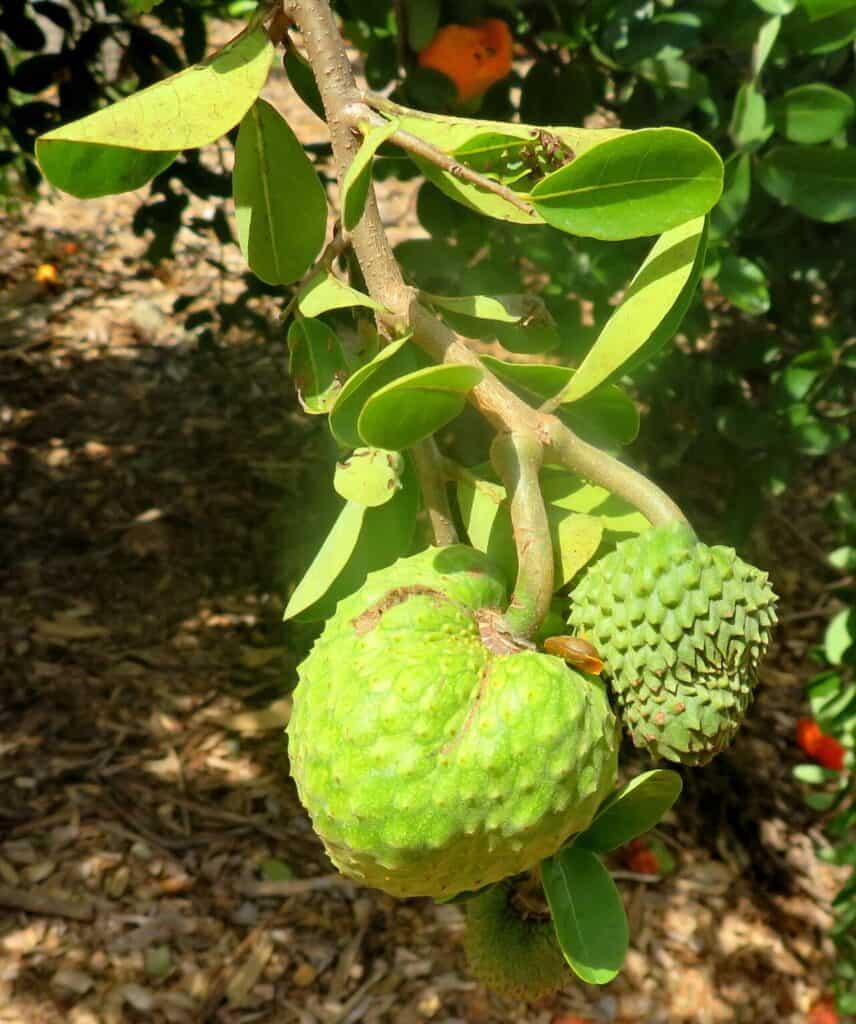
The Annona spinescens, more affectionately known as the Wild Araticum or even the Thorny Custard Apple, is a fruit tree native to Brazil that boasts delicious fruit and a striking, thorny presence. While not widely cultivated, its unique qualities have piqued the interest of adventurous gardeners and fruit enthusiasts. Ready to add some exotic flair to your own garden? Let’s dive into the art of propagating this fascinating species.
Understanding the Challenges
Before we jump in, it’s important to acknowledge that propagating the Annona spinescens isn’t a walk in the park. Unlike some fruit trees that readily root from cuttings, this species presents a few hurdles. Its seeds have a reputation for having inconsistent germination rates, and cuttings can be tricky to root successfully. But fear not, with a bit of patience and the right techniques, you can increase your chances of success.
Method 1: Starting from Seed
- Source Fresh Seeds: The fresher the seeds, the better your chances of germination. Ideally, source them directly from ripe fruit. If you’re ordering online, look for reputable suppliers who can provide information on seed viability.
- Scarification is Key: The seeds of the Araticum are notoriously hard. To encourage germination, gently nick or scarify the seed coat with a file or sandpaper. This breaks down the tough outer layer, allowing water to penetrate more easily.
- Warmth and Moisture: Plant the scarified seeds about an inch deep in a well-draining seed-starting mix. Keep the soil consistently moist and provide warmth using a seedling heat mat or a sunny location.
- Patience is a Virtue: Germination can be erratic and may take anywhere from a few weeks to several months. Don’t lose hope! Continue to provide warmth and moisture, and you’ll eventually be rewarded with seedlings.
Method 2: Propagating from Cuttings
- Timing is Everything: The best time to take cuttings is during the active growing season, ideally in late spring or early summer. Choose healthy, semi-hardwood stems that are not too new or too old.
- Make the Cut: Using a sharp, sterilized knife or pruning shears, take cuttings about 6-8 inches long. Remove the leaves from the lower third of the cutting to prevent rot.
- Hormone Boost: Dip the cut end of the stem in rooting hormone powder to encourage root development. Rooting hormones are readily available at garden centers or online.
- Create a Humid Environment: Plant the cuttings in a well-draining potting mix and enclose the pot in a clear plastic bag or humidity dome. This helps maintain high humidity levels that are essential for successful rooting.
- Indirect Sunlight and Patience: Place the cuttings in a location with bright, indirect sunlight. Avoid direct sun, as it can scorch the delicate cuttings. Be patient, as it can take several weeks for roots to form.
Nurturing Your Araticum
Whether you choose to start from seed or cuttings, once your Annona spinescens plants are established, they’re relatively low-maintenance. Provide them with well-draining soil, plenty of sunshine, and regular watering, especially during dry periods.
A Rewarding Challenge
While propagating the Annona spinescens might require some extra effort, the reward of savoring the unique, custard-like fruit of this thorny wonder makes it a worthwhile endeavor for the adventurous gardener. So, embrace the challenge, and let the journey of growing this exotic fruit tree begin!