
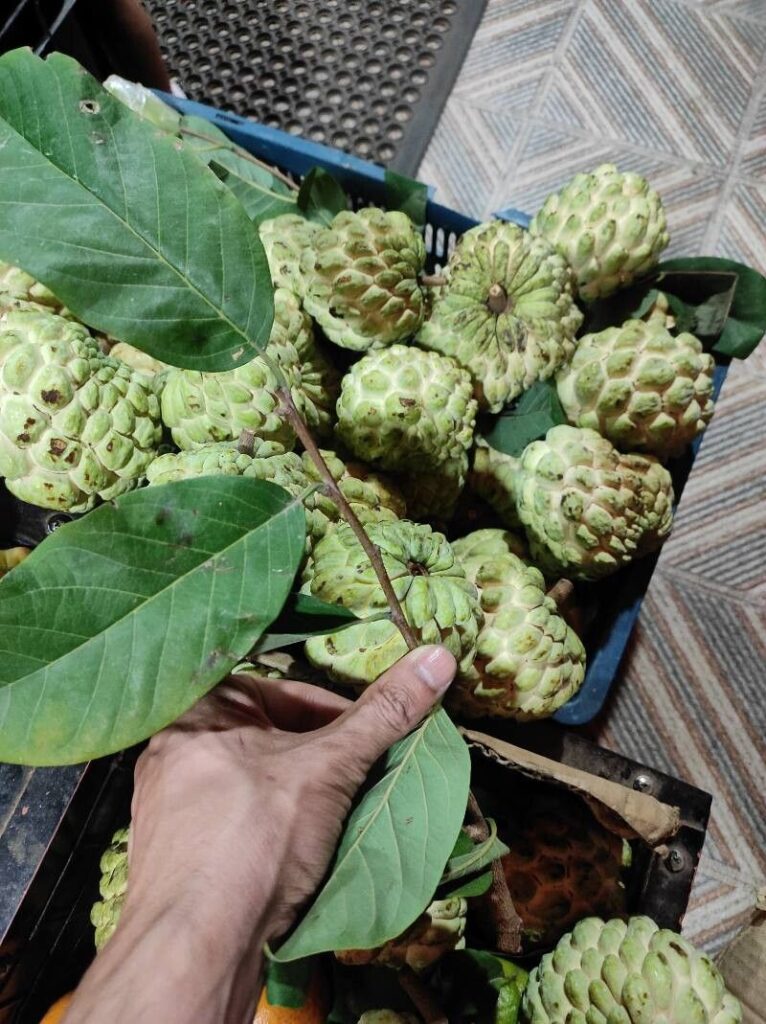
Propagating the Sweet and Tangy Custard Apple: A Guide to Annona squamosa
Introduction:
Annona squamosa, commonly known as custard apple, sweetsop, or sugar-apple, is a small, deciduous tree prized for its delicious, aromatic fruits. Its heart-shaped, bumpy fruits contain creamy, sweet pulp, making it a popular choice among home gardeners and commercial growers alike. However, propagating this tropical delight presents unique challenges due to its relatively recalcitrant seeds and limited success with some common vegetative propagation methods. This article explores various propagation techniques for Annona squamosa, examining their viability and offering practical advice.
Seed Germination:
Seed germination is a viable method for Annona squamosa propagation, but it’s not without its challenges. The seeds of Annona squamosa have a short viability window and are prone to fungal diseases. Therefore, prompt sowing is crucial.
Challenges: Rapid seed deterioration, susceptibility to fungal infections, and inconsistent germination rates.
Practical Tips:
- Seed Collection: Harvest ripe fruits and extract seeds immediately. Clean the seeds thoroughly and remove the pulpy residue to prevent fungal growth.
- Sowing Technique: Sow seeds directly into well-drained seed trays or pots filled with a mix of sandy loam and compost. Lightly cover the seeds with soil.
- Environmental Conditions: Maintain high humidity (e.g., using a humidity dome) and temperatures around 25-30°C (77-86°F). Ensure good air circulation to prevent fungal growth.
- Pre-treatment (Optional): Some sources suggest soaking seeds in water for 24 hours before sowing to aid germination.
Rewards: High genetic diversity in the resulting plants, potential for large-scale propagation, and a relatively inexpensive method.
Cuttings:
Cuttings propagation of Annona squamosa is generally considered less successful than seed propagation. While some limited success has been reported with hardwood cuttings treated with rooting hormones, consistent results are difficult to achieve.
Challenges: Low rooting success rates, susceptibility to fungal infections, and difficulty in maintaining moisture levels.
Practical Tips:
- Cutting Preparation: Use semi-hardwood cuttings (taken from the current season’s growth) approximately 15-20cm long, with several nodes. Remove lower leaves and treat the cut ends with a rooting hormone.
- Propagation Medium: Use a well-draining mix, like perlite and peat moss.
- Environmental Conditions: Provide high humidity (e.g., using a humidity dome or misting regularly) and warmth (25-30°C).
Rewards: Preservation of desirable traits from parent plants, but success is often inconsistent.
Division:
Division is not a suitable propagation method for Annona squamosa. The plant doesn’t readily produce suckers or readily separate into independent root systems.
Tissue Culture:
Tissue culture offers a potentially more reliable method for large-scale propagation of Annona squamosa, allowing for the production of disease-free and genetically identical plants. However, this method requires specialized equipment, aseptic techniques, and expertise.
Challenges: Requires specialized laboratory facilities, technical expertise, and relatively high initial costs.
Practical Tips: This method is best left to experienced tissue culture laboratories.
Rewards: High propagation rates, disease-free plants, and preservation of desirable genetic traits.
Conclusion:
Propagating Annona squamosa presents unique challenges across all methods. While seed germination offers a relatively simple and cost-effective approach for generating genetic diversity, it’s important to address rapid seed deterioration and potential fungal issues. Cuttings, despite offering some potential, yield variable results. Tissue culture offers the most consistent results, particularly for commercial operations but necessitates considerable investment.
The unique satisfaction of successfully cultivating a custard apple tree from seed, cutting, or through tissue culture is undeniable. Overcoming the challenges and witnessing the progression from tiny seed to mature, fruiting tree is immensely rewarding. Aspiring propagators should focus on choosing the method best suited to their resources and experience. For beginners, seed germination, while challenging, offers a satisfying introduction to cultivating this delightful tropical fruit. With patience, meticulous care, and the right techniques, the sweet rewards of a homegrown custard apple are well worth the effort.