
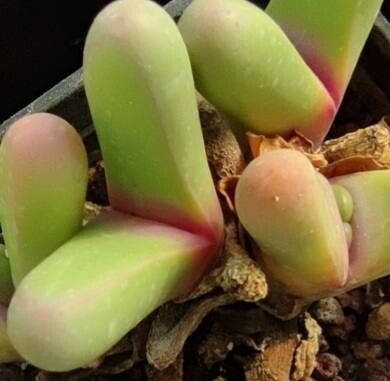
Mastering the Art of Multiplying Your Mesembs: Propagating Antegibbaeum fissoides
Antegibbaeum fissoides, with its otherworldly appearance and fascinating life cycle, is a showstopper in any succulent collection. These intriguing plants, hailing from the heart of South Africa, captivate with their split “fish mouth” leaves that emerge after a dry dormancy, revealing bright yellow, daisy-like flowers. Want to expand your collection or share the joy? Let’s delve into the art of propagating these mesmeric succulents!
Two Paths to Propagation: Seeds vs. Cuttings
Antegibbaeum fissoides can be propagated through two primary methods: seeds and cuttings. Each comes with its own set of advantages and challenges.
1. Sowing the Seeds of Success
Seed propagation offers the thrill of witnessing the entire life cycle of your A. fissoides. While rewarding, it requires patience, as seedlings take time to mature.
- Timing is Key: Sow seeds in late spring or early summer when temperatures are consistently warm.
- Creating the Ideal Nursery: Use a well-draining seed starting mix. A mixture of pumice, perlite, and coco coir works well.
- Sowing with Care: Sprinkle seeds on the surface and lightly press them in, ensuring they are not buried.
- Patience is a Virtue: Mist the soil regularly and maintain warmth and humidity. Germination can take several weeks.
- Gradual Acclimatization: Once seedlings are established, gradually reduce humidity and increase sun exposure.
2. The Cutting Edge: Propagating from Offsets
A. fissoides often produces offsets, offering a quicker path to propagation. Follow these steps:
- Choosing the Right Candidate: Select healthy offsets with some root development.
- Making the Cut: Use a sharp, sterile knife or scissors to carefully remove the offset from the parent plant.
- Callusing is Crucial: Allow the cut end of the offset to callus over for a few days, preventing rot.
- Planting for Success: Insert the callused end into a well-draining potting mix.
- Nurturing New Roots: Water sparingly and provide bright, indirect light until new growth appears.
Tips for Propagation Pros
- Potent Potting Mix: Use a gritty, well-draining soil mix to prevent root rot.
- Light Up Their Lives: Provide bright, indirect light for both seedlings and cuttings.
- Water Wisely: Water sparingly, allowing the soil to dry out completely between waterings.
- Dormancy Demands: Respect their natural dormancy period in winter by reducing watering and keeping them cool and dry.
Propagating Antegibbaeum fissoides may require a little patience and attention to detail, but the rewards are well worth the effort. By following these guidelines and embracing their unique needs, you can successfully multiply your collection and share the joy of these fascinating “living stones.”