
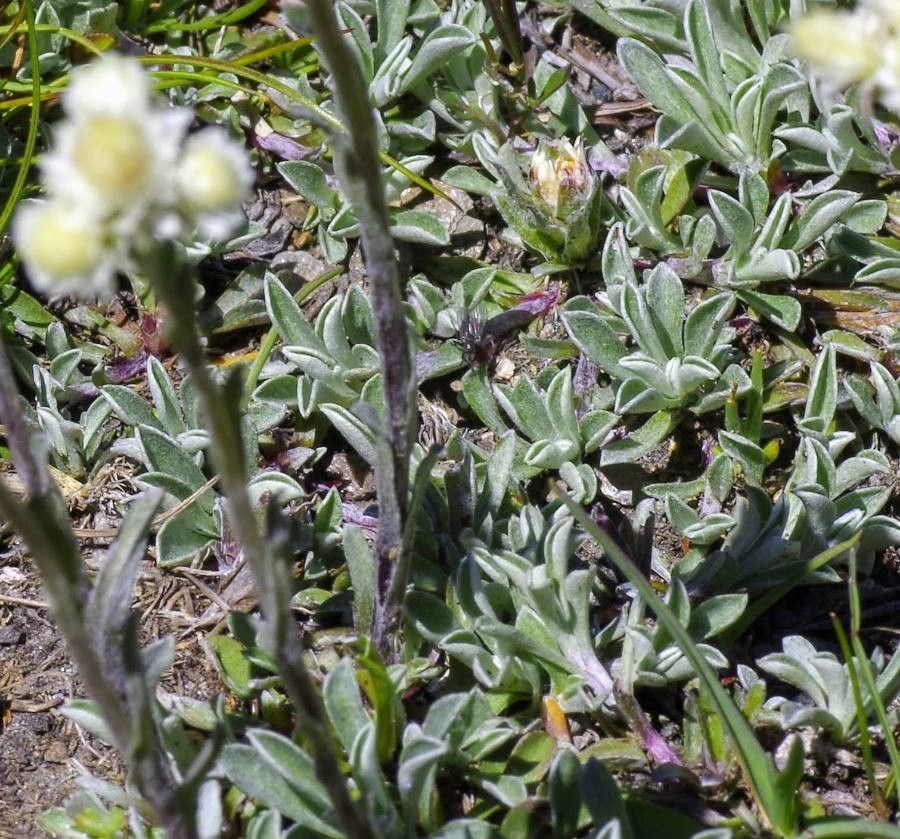
Propagating Antennaria lanata: Challenges and Rewards of Growing Pussytoes
Antennaria lanata, commonly known as woolly pussytoes, is a captivating alpine or subalpine plant prized for its soft, woolly foliage and charming, fluffy flower heads. Its silvery-grey leaves create a textural contrast in rock gardens, alpine troughs, and other dry landscape settings, making it increasingly popular among gardeners seeking low-maintenance, drought-tolerant ornamentals. However, its propagation presents unique challenges. While visually rewarding, successfully multiplying woolly pussytoes requires patience and a nuanced understanding of its specific needs.
Seed Germination:
Currently, there are no known reliable methods for seed germination propagation of Antennaria lanata. While seeds may be produced, their germination rate is notoriously low, and success often hinges on highly specific and often unpredictable environmental conditions. Further research into optimal germination techniques would be beneficial.
Cuttings:
Cuttings offer a more reliable method for propagating Antennaria lanata than seed germination.
Challenges: Success with cuttings depends greatly on timing and technique. Softwood cuttings taken in spring or early summer generally yield the best results.
Practical Tips: Take cuttings of about 4-6 cm long, removing the lower leaves to prevent rotting. Dip the cut ends in rooting hormone before planting them in a well-draining mix of sand and perlite. High humidity, provided by a cloche or propagator, is crucial. Mist regularly to maintain moisture, but avoid overwatering, which can lead to fungal diseases.
Rewards: Cuttings provide genetically identical plants to the mother plant, ensuring consistent characteristics. This is a quicker method than division for increasing stock of favored cultivars.
Division:
Division is arguably the most straightforward and successful method for propagating Antennaria lanata.
Challenges: The best time for division is during spring or early autumn, when the plant is actively growing but not stressed by extreme heat or cold. Careful handling is crucial to avoid damaging the delicate root system.
Practical Tips: Gently lift the entire clump from the ground, carefully separating it into smaller sections, each with its own established root system and several shoots. Replant the divisions immediately, ensuring they are spaced appropriately to allow for growth. Use a well-draining soil mix.
Rewards: Division provides a relatively quick method for increasing the number of plants and can be easily undertaken by the home gardener. It also minimizes the stress compared to other methods.
Tissue Culture:
Tissue culture, while potentially offering a high multiplication rate, is generally not a practical method for home propagation of Antennaria lanata. It requires specialized equipment, sterile conditions, and a high level of horticultural expertise. The investment outweighs the benefit for a plant so easily propagated by cuttings or division.
Conclusion:
Propagating Antennaria lanata presents various challenges, primarily concerning seed germination’s unreliability. However, cuttings and, especially, division offer readily achievable methods for any gardener looking to expand their stock of this attractive plant. Whilst tissue culture is viable, it’s generally unsuitable for home use. The satisfaction derived from successfully propagating woolly pussytoes, particularly through cuttings or division, is significant. The effort invested is rewarded not only with an increase in the number of these delightful plants but also with the deep understanding and appreciation developed for their specific needs. Don’t be discouraged by initial setbacks—patience, attention to detail, and the right technique will allow aspiring propagators to enjoy the unique rewards of cultivating these charming woolly beauties.