
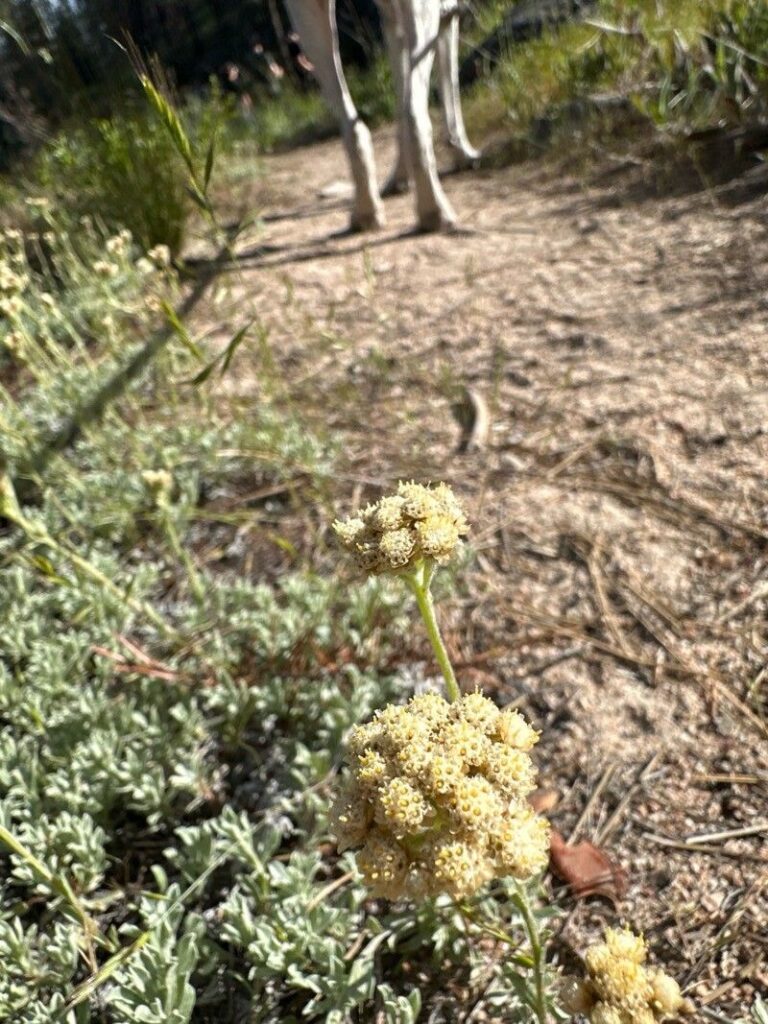
Propagating Antennaria umbrinella: A Challenge Worth Embracing
Antennaria umbrinella, commonly known as dusky pussytoes, is a charming, low-growing perennial belonging to the Asteraceae family. Its fuzzy, silvery-grey foliage and delicate, pinkish-white flower heads make it a highly sought-after addition to rock gardens, alpine meadows, and xeriscapes. The plant’s tolerance for drought and poor soils adds to its horticultural significance, making it a valuable asset for gardeners seeking low-maintenance, aesthetically pleasing groundcover. However, propagating dusky pussytoes presents a unique set of challenges, making success all the more rewarding.
Seed Germination:
Currently, there are no known reliable methods for seed germination propagation of Antennaria umbrinella. While the plant produces seeds, their germination rate is notoriously low, and successful cultivation from seed is rarely reported. Further research into specific germination requirements may be needed to overcome this hurdle.
Cuttings:
Propagating Antennaria umbrinella via cuttings presents a more viable option than seed propagation.
Challenges: Rooted cuttings are challenging to obtain. The success rate is comparatively low compared to other plants.
Practical Tips: Softwood cuttings, taken in spring or early summer from non-flowering stems, show the best potential for success. Use a sharp, clean knife or shears to take 2-4 inch cuttings, removing lower leaves to prevent rot. Dip the cut ends in rooting hormone and plant them in a well-draining mix of perlite and sand, maintaining high humidity using a propagator or plastic bag. Patience is key; rooting may take several weeks.
Rewards: Successful rooting from cuttings offers a reliable method for cloning desirable traits. This is especially valuable for preserving unique cultivars or maintaining a specific genetic lineage.
Division:
Division is arguably the most successful and readily employed method for propagating Antennaria umbrinella.
Challenges: The plant’s relatively slow growth means divisions will be smaller initially. Care needs to be taken to avoid damaging the delicate roots during division.
Practical Tips: Division is best undertaken in spring or fall, when the plant is actively growing but not flowering. Gently lift the plant from the ground and carefully separate the clumps into smaller sections, ensuring each division has sufficient roots and foliage. Replant immediately into well-prepared soil, ensuring good drainage and spacing to allow for growth. Watering should be careful and consistent until plants have re-established.
Rewards: Division offers a quick and relatively easy method to increase the number of plants in a garden. This is by far the most successful method to increase numbers of plants and is less time consuming than cuttings.
Tissue Culture:
There is limited information available on the tissue culture propagation of Antennaria umbrinella. This method is generally complex and requires specialized equipment and expertise, making it unsuitable for amateur propagators.
Challenges: Developing a suitable protocol for Antennaria umbrinella would require significant research and experimentation. The infrastructure and experience needed are typically beyond the scope of home gardeners.
Practical Tips: This method is not recommended for the average gardener, due to required expertise and cost.
Rewards: Potentially, tissue culture could allow for large-scale propagation and the production of disease-free plants.
Conclusion:
Propagating Antennaria umbrinella presents unique challenges, predominantly with seed germination. Division emerges as the most reliable and accessible method for those keen to expand their dusky pussytoes population. While cuttings offer a viable alternative, patience and attention to detail are essential for success. Tissue culture remains an unexplored avenue, requiring further research. The satisfaction of nurturing these delicate plants from cuttings or divisions, overcoming the inherent difficulties, significantly surpasses the ease of purchasing commercially grown specimens. It’s a testament to the gardener’s skill and perseverance, adding profound meaning to the cultivation of this resilient and beautiful groundcover. Therefore, for aspiring propagators, we recommend starting with division and exploring cuttings as a secondary option, understanding that success may require multiple attempts. The rewards are well worth the effort.