
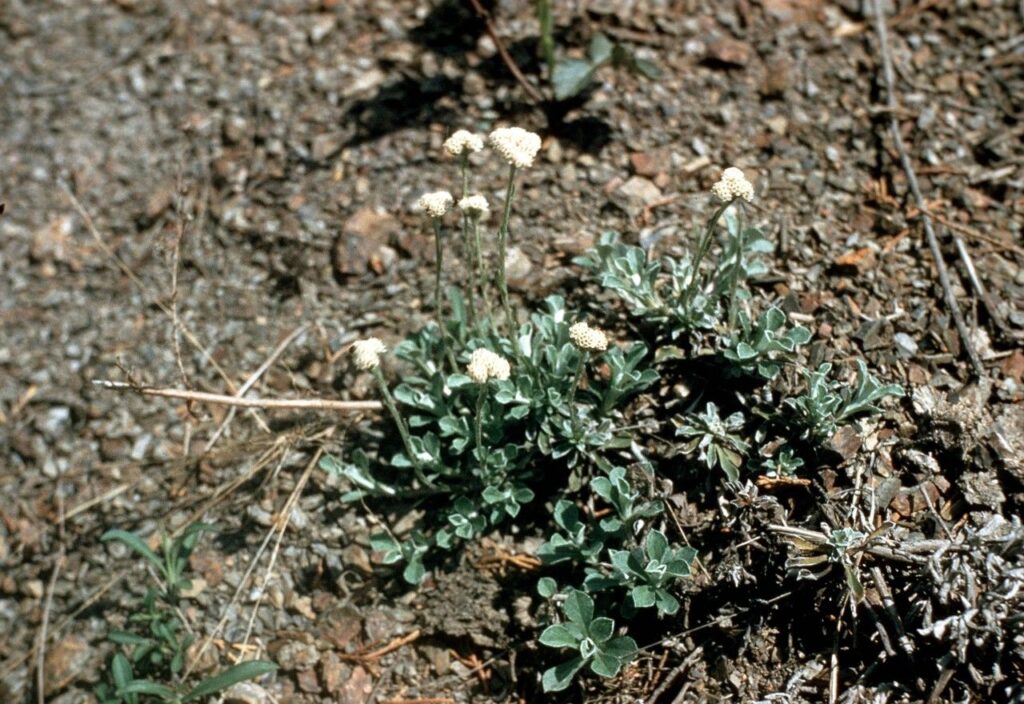
Propagating Antennaria virginica: The Pussytoes Challenge
Introduction
Antennaria virginica, commonly known as eastern pussytoes, is a charming, low-growing perennial native to eastern North America. Its fuzzy, silvery-white flower heads resembling miniature paws give it its common name and make it a popular choice amongst gardeners seeking low-maintenance ground cover or a textural element in rock gardens, wildflower meadows, and xeriscapes. While relatively easy to establish once planted, propagating Antennaria virginica presents unique challenges, making successful propagation a rewarding experience for the dedicated gardener. Its ability to spread naturally through stolons makes division a relatively straightforward method, but other techniques present more hurdles.
Seed Germination:
Currently, there are no known reliable methods for seed germination propagation of Antennaria virginica. While the plant does produce seeds, germination rates are notoriously low, even under carefully controlled conditions. Factors such as seed dormancy and the need for specific environmental cues likely contribute to this difficulty. This presents a significant challenge for large-scale propagation and limits the potential for creating a wide range of genetic diversity from seed.
Cuttings:
Propagating Antennaria virginica from cuttings is also challenging and generally not recommended. Success rates are low due to the plant’s physiology. The stem cuttings tend to rot before rooting. There is no readily available information on specific hormonal treatments or rooting techniques that guarantee success with stem cuttings of this species.
Division:
Division is the most reliable and practical method for propagating Antennaria virginica. This low-growing plant readily spreads via underground stolons, forming clumps. In spring or early autumn, established clumps can be carefully dug up and divided into smaller sections, each containing several healthy growth points and roots. Replanting these divisions ensures successful establishment, with minimal loss.
- Challenges: Careful handling is required to avoid damaging the delicate roots. Overcrowded clumps may require more effort to separate.
- Tips: Use a sharp, clean spade or knife; handle divisions gently; ensure each division has sufficient root material; plant at the same depth as the original clump; water thoroughly after planting.
- Rewards: High success rate; relatively easy technique; preserves the genetic characteristics of the mother plant. This is ideal for maintaining a specific cultivar or expanding existing plantings.
Tissue Culture:
While there is limited documented research on Antennaria virginica tissue culture, it represents a potential avenue for large-scale propagation and clonal multiplication. However, it requires specialized facilities, expertise, and sterile conditions, making it less accessible to the average home gardener.
- Challenges: Establishing a sterile culture and identifying suitable media and growth regulators are crucial steps requiring expertise and specialized equipment. Successful protocols may need to be determined empirically for Antennaria virginica.
- Tips: Research existing protocols for related species may provide a starting point. Consultation with tissue culture specialists is advised.
- Rewards: Enormous propagation potential; preservation of genetic uniformity (ideal for rare cultivars); overcoming challenges associated with seed germination and cutting propagation.
Conclusion:
Successfully propagating Antennaria virginica presents unique challenges depending on the method employed. While seed germination and cuttings are largely impractical, division offers a highly reliable way to increase the number of plants. Tissue culture holds significant potential but necessitates specialized knowledge and equipment. The satisfaction of successfully cultivating this charming plant, however, far outweighs the difficulties involved. The reward is the pleasure of watching these fuzzy, silvery beauties spread and thrive, creating a textural and visually engaging element in the garden. For the average gardener, mastering the art of division is the most readily accessible and rewarding path to propagate this delightful native plant. For those seeking larger scale propagation, further research into successful tissue culture protocol is warranted.