
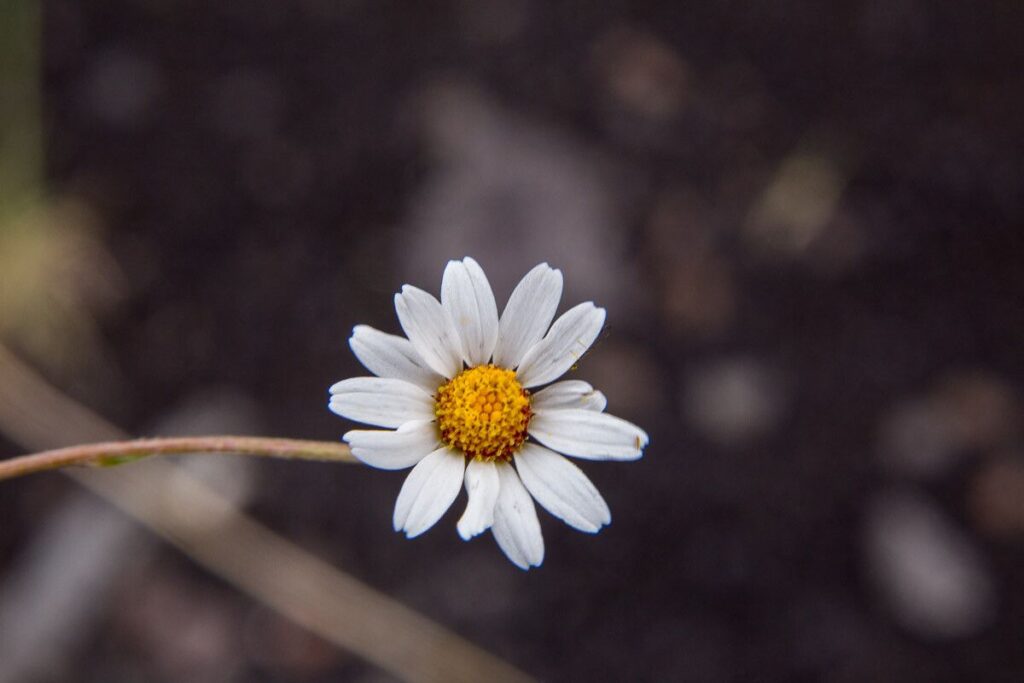
Propagating Anthemis aetnensis: A Guide to Cultivating Mount Etna Chamomile
Introduction:
Anthemis aetnensis, commonly known as Mount Etna chamomile, is a captivating perennial daisy boasting vibrant yellow flowers and delicate, silvery-grey foliage. Native to the volcanic slopes of Mount Etna in Sicily, this hardy plant has earned a place in the hearts of gardeners for its striking appearance and drought tolerance. Its unique adaptation to harsh conditions, however, makes propagation somewhat challenging, presenting a rewarding endeavor for enthusiastic cultivators. This article will explore various propagation techniques for Anthemis aetnensis, analyzing their viability and offering practical advice.
Seed Germination:
Currently, there are no known reliable methods for seed germination propagation of Anthemis aetnensis. While the plant produces seeds, germination rates are extremely low, even under optimal conditions. Further research into specific germination requirements, including potential stratification techniques (cold treatment), might be necessary to unlock successful seed propagation. The lack of success with seed germination highlights the challenges inherent in cultivating this species.
Cuttings:
Cuttings offer a comparatively more reliable method for propagating Anthemis aetnensis.
- Challenges: Success relies heavily on timing and technique. Taking cuttings from healthy, actively growing stems is crucial. The plant’s inherent hardiness doesn’t translate directly to easy rooting.
- Tips: Softwood cuttings taken in spring or early summer show the best results. Use a sharp, clean blade to take cuttings approximately 4-6 inches long, removing lower leaves to prevent rot. Dip the cut ends in rooting hormone powder before planting in a well-draining, moist potting mix. Maintain high humidity (e.g., using a propagation dome) and moderate warmth to encourage root development.
- Rewards: Cuttings produce genetically identical plants, preserving desirable traits. This method is suited for smaller-scale propagation to expand existing collections.
Division:
Division is another viable method, particularly suitable for established plants.
- Challenges: Anthemis aetnensis, even when mature, may not readily form easily separable clumps. Care must be taken to avoid damaging the root system.
- Tips: The best time for division is in spring or fall, after flowering or before new growth commences. Gently dig up the plant, carefully separating the root ball into smaller sections, each with its own healthy root system and several shoots. Replant the divisions immediately, ensuring adequate spacing.
- Rewards: Division offers a relatively quick method for increasing plant numbers, preserving the genetic characteristics of the parent plant. This is particularly useful for maintaining specific cultivars.
Tissue Culture:
Tissue culture offers the potential for large-scale and rapid propagation of Anthemis aetnensis, but presents significant technical challenges.
- Challenges: Establishment of sterile culture conditions and finding the optimal medium and growth regulators are critical. Specialized knowledge and equipment are required for successful execution. This method is not readily accessible to home gardeners.
- Tips: Success requires expertise in plant tissue culture techniques. Sterile procedures are essential to prevent contamination. Experimentation with different media formulations might be needed to optimize growth and shoot multiplication.
- Rewards: Tissue culture allows for the rapid cloning of plants, producing a large number of genetically identical individuals from a single explant. This is crucial for mass production and conservation purposes.
Conclusion:
Propagating Anthemis aetnensis presents both challenges and rewards. While seed germination proves unreliable, cuttings and division offer practical methods for home gardeners. Tissue culture remains a more advanced technique necessitating specialized knowledge and facilities. The unique satisfaction derived from successfully cultivating this plant stems from overcoming the difficulties inherent in its propagation. The persistence required is rewarded with the vibrant beauty of Mount Etna chamomile and the pride of successfully multiplying a plant known for its resilience. Therefore, aspiring propagators should not be discouraged by the initial hurdles. With patience, the right techniques, and a touch of botanical ingenuity, the remarkable Anthemis aetnensis can thrive in your garden.