
Propagating Anthriscus caucalis: A Gardener’s Guide to a Challenging but Rewarding Plant
Introduction
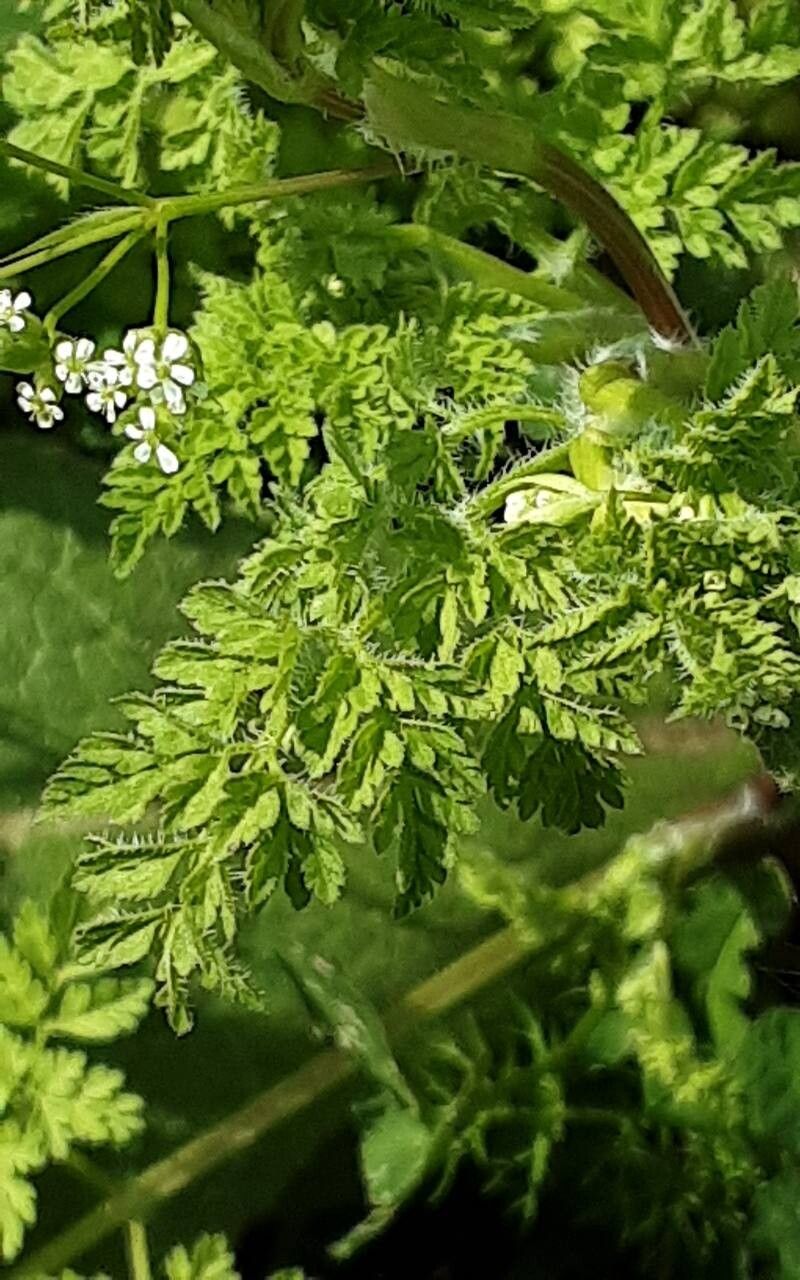
Anthriscus caucalis, commonly known as bur chervil or hedge parsley, is a charming, delicate biennial or short-lived perennial belonging to the Apiaceae family. Its attractive, finely divided foliage and umbels of small white flowers make it a visually appealing addition to cottage gardens and wildflower meadows. However, its relatively short lifespan and the challenges associated with its propagation make it a rewarding plant for those willing to put in the effort. Its popularity among gardeners stems from its ability to self-seed (though this isn’t always reliable) and its contribution to biodiversity, attracting beneficial insects. This guide explores the various methods for propagating Anthriscus caucalis, weighing their challenges and rewards.
Seed Germination
Seed germination is a viable method for propagating Anthriscus caucalis, though it can be erratic. The primary challenge lies in achieving consistent germination rates. Seeds require a period of cold stratification to break dormancy. This can be accomplished by mixing seeds with moist vermiculite or peat moss and storing them in a sealed container in the refrigerator for 6-8 weeks at temperatures just above freezing (around 35-40°F or 2-4°C).
Practical Tips:
- Sowing: After stratification, sow seeds directly outdoors in spring or autumn in well-drained soil. Sow thinly, covering the seeds with a light layer of soil. Maintain consistently moist (but not waterlogged) conditions.
- Light Requirements: Anthriscus caucalis seeds require light for germination; do not bury them too deep.
- Germination Time: Germination can take several weeks to several months, depending on conditions.
Rewards: Successful seed germination offers high genetic diversity, leading to a more robust and adaptable population. It is also the most cost-effective method allowing for large-scale propagation.
Cuttings
Currently, there are no known reliable methods for propagation of Anthriscus caucalis via cuttings. The plant’s delicate stems do not readily root.
Division
Division is a viable propagation method for established Anthriscus caucalis plants, particularly those growing in clumps.
Challenges: The best time for division is in early spring or autumn. Care must be taken to avoid damaging the roots during the process.
Practical Tips: Carefully dig up the entire plant, gently separate it into smaller sections, each with its own healthy root system and foliage. Replant immediately in well-prepared soil.
Rewards: Division offers a relatively quick and reliable method of propagation for existing plants increasing the number of plants relatively quickly.
Tissue Culture
Currently, there are no widely available or established protocols for tissue culture propagation of Anthriscus caucalis. Further research would be needed to develop reliable techniques.
Conclusion
Propagating Anthriscus caucalis presents unique challenges, with seed germination being the most readily accessible method, although success isn’t guaranteed. Division is a possibility for established plants. However, the rewards of successfully cultivating this charming plant, seeing it flourish from seed or division, are significant. The delicate beauty and contribution to biodiversity make the effort worthwhile. Aspiring propagators should be patient, persistent, and meticulous in their approach. Remember, even small successes can be highly satisfying, adding to the overall joy of gardening. Don’t be discouraged by setbacks; the journey of propagating Anthriscus caucalis is as rewarding as the final result.