
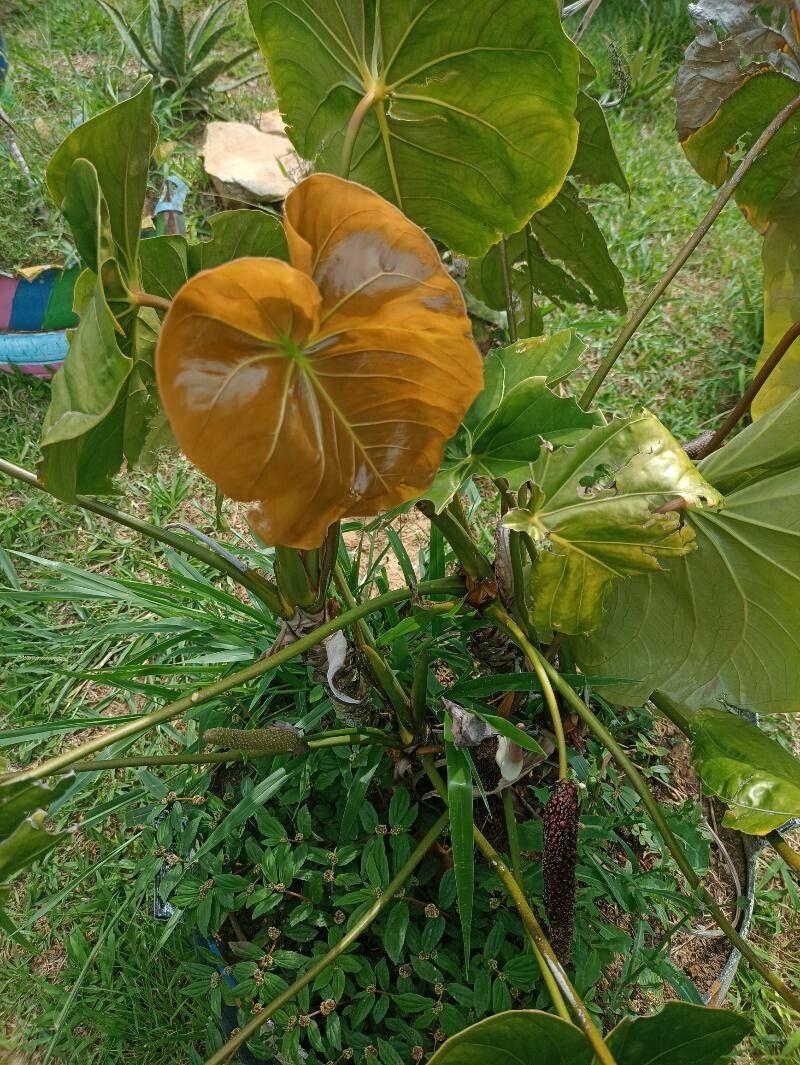
Propagating Anthurium faustomirandae: A Guide for the Passionate Cultivator
Introduction:
Anthurium faustomirandae, often called the "Velvet Queen Anthurium," is a captivating species renowned for its exceptionally velvety, deep-red to burgundy spathes (the modified leaf surrounding the spadix). Its striking appearance and relative rarity have earned it a coveted spot among aroids enthusiasts. However, its propagation presents unique challenges and rewards. Unlike some more common Anthurium varieties, large-scale commercial propagation is less common, which adds to its allure and makes successful propagation a significant accomplishment. This article explores the various methods available for propagating this stunning plant.
Seed Germination:
Currently, there are no known reliable methods for seed germination propagation of Anthurium faustomirandae. While the plant does produce seeds, germination rates are extremely low, even under meticulously controlled conditions. Further research is needed to determine the optimal germination requirements.
Cuttings:
Propagation via stem cuttings offers a more promising approach than seed germination for Anthurium faustomirandae.
Challenges: Root initiation from cuttings can be slow and inconsistent. The success rate can be significantly impacted by factors such as the age and health of the plant providing the cuttings, the cleanliness of the cutting tools, and the environment in which they root.
Practical Tips: Take stem cuttings from healthy, actively growing shoots, ensuring each cutting includes at least 2-3 nodes. Use a sterile, sharp knife or blade to make clean cuts. Remove lower leaves that would be submerged in the rooting medium. Ideally, dip the cut ends in a rooting hormone solution. Plant the cuttings in a well-draining propagation mix of perlite and peat moss or a similar mix providing good aeration and moisture retention. Maintain high humidity (using a humidity dome or frequently misting) and warm temperatures (around 75-85°F).
Rewards: This is a relatively straightforward method for creating genetically identical plants, ensuring that the striking characteristics of the mother plant are faithfully reproduced.
Division:
Division is another viable method, but it’s primarily suited for mature, well-established plants.
Challenges: Damaging the root system during division can stress the plant and hinder its recovery. Proper technique and careful handling are crucial, especially given the relatively slow-growing nature of Anthurium faustomirandae.
Practical Tips: Divide the plant only when it has formed substantial root growth and multiple stems. Gently separate the plant, ensuring each division has a sufficient amount of roots and leaves. Replant the divisions in appropriate potting mix, maintaining consistent moisture and humidity. Allow time for the divided sections to recover before resuming normal watering schedules.
Rewards: Division provides a relatively quick method of propagation, creating multiple plants from a single mature specimen.
Tissue Culture:
Tissue culture offers the potential for large-scale propagation of Anthurium faustomirandae, overcoming some of the limitations of other methods.
Challenges: Tissue culture requires specialized equipment, sterile conditions, and a deep understanding of plant tissue culture techniques. It’s a more complex and expensive method than cuttings or division.
Practical Tips: This method should be entrusted to experienced professionals working in a laboratory setting with specialized media and growth regulators.
Rewards: Tissue culture allows for rapid and mass production of genetically identical plants, a crucial step in expanding cultivation and conservation efforts.
Conclusion:
Propagating Anthurium faustomirandae presents unique but surmountable challenges. While seed germination remains unreliable, successful propagation is achievable through cuttings, division, or – ideally – tissue culture. Each method offers distinct advantages and drawbacks; careful consideration of the resources available and the experience level of the propagator will dictate the most appropriate approach. The unique satisfaction in cultivating this beautiful plant comes from overcoming these difficulties, transforming a cutting or division into a flourishing "Velvet Queen," a testament to patience, persistence, and dedication. Do not be discouraged by initial setbacks; consistent effort and attention to detail will significantly increase your chances of success. Happy growing!