
Unleash the Wild Chervil: A Guide to Propagating Anthriscus sylvestris
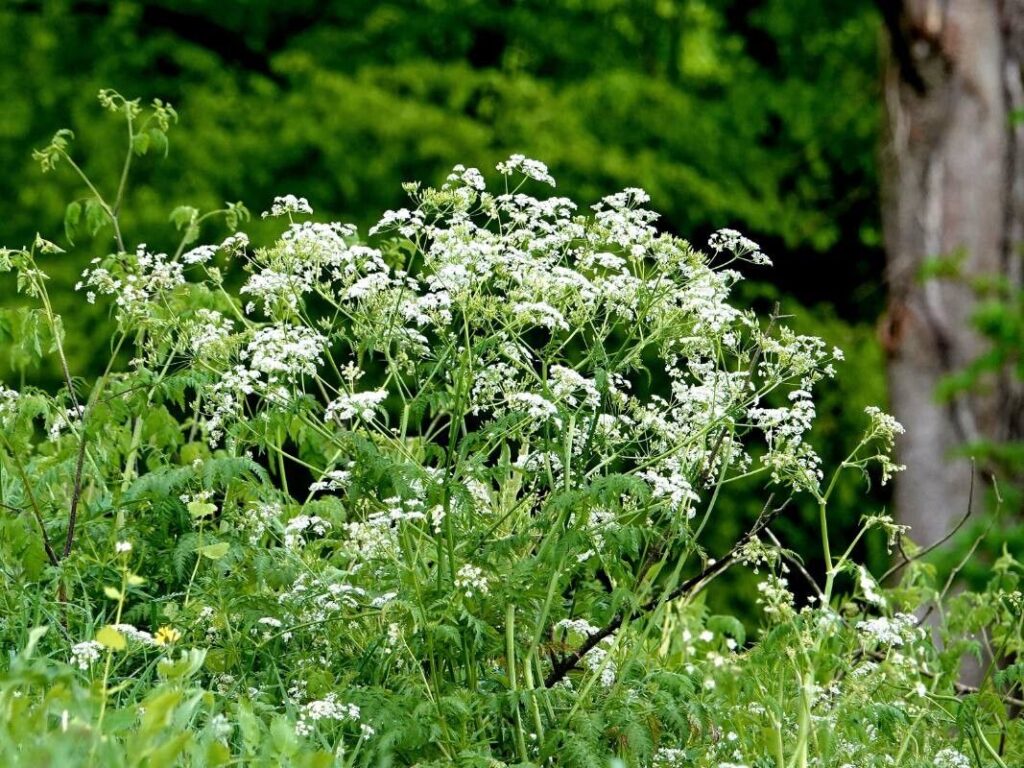
Anthriscus sylvestris, better known as wild chervil or cow parsley, is a wildflower with a delicate beauty and a surprisingly useful nature. This plant, often seen gracing meadows and roadsides, isn’t just a pretty face. With its lacy leaves, delicate white flowers, and subtle aniseed flavor, it’s gaining popularity as an edible and visually appealing addition to gardens.
Interested in inviting this wild beauty into your own space? Let’s explore the best ways to propagate Anthriscus sylvestris:
1. Seed Sowing: Embracing the Wild Side
The most common and effective method for propagating Anthriscus sylvestris is by seed. These seeds are prolific, readily germinating and establishing themselves with a bit of help:
- Timing is Key: For best results, sow seeds in either the fall or early spring. Fall sowing mimics the natural cycle and allows the seeds to experience the winter chill, vital for germination. Spring sowing is also viable, but be prepared to be patient as germination might take a bit longer.
- Sowing Directly: Choose a well-drained spot with partial shade to full sun. Scatter the seeds lightly on the soil surface and lightly rake them in, ensuring good contact with the soil.
- Patience is a Virtue: Germination can take anywhere from a few weeks to a couple of months, depending on the time of year and conditions.
2. Division: Sharing the Abundance
If you have an established clump of Anthriscus sylvestris, division is another excellent propagation method:
- Digging Deep: In early spring or fall, carefully dig up the entire plant, ensuring you get as much of the root system as possible.
- Divide and Conquer: Use a sharp, clean knife or gardening shears to divide the root ball into smaller sections, each with a good amount of roots and a few healthy shoots.
- Replant and Rejoice: Replant the divided sections at the same depth they were originally growing, water thoroughly, and watch them flourish.
Important Considerations:
- Self-Seeding: Anthriscus sylvestris readily self-seeds. While this can be a welcome surprise, be mindful of its spread, especially in smaller gardens, as it can become invasive. Deadheading spent flowers can help control this.
- Short-Lived Beauty: While each plant has a relatively short lifespan, proper propagation ensures a continuous display of these charming wildflowers year after year.
Beyond Propagation: Enjoying Wild Chervil
Propagating Anthriscus sylvestris is truly rewarding. Once established, these plants require minimal care and will grace your garden with their delicate beauty. But their appeal goes beyond aesthetics:
- Edible Delights: The leaves, with their subtle anise flavor, can be enjoyed in salads, soups, and as a garnish.
- Pollinator Magnet: The flowers attract beneficial insects, such as bees and butterflies, to your garden.
- Natural Beauty: Anthriscus sylvestris adds a touch of effortless elegance to any garden setting, especially when planted in naturalistic drifts.
So why wait? Embrace the wild side of gardening and propagate Anthriscus sylvestris. You’ll be captivated by its charm and rewarded with its many benefits.