
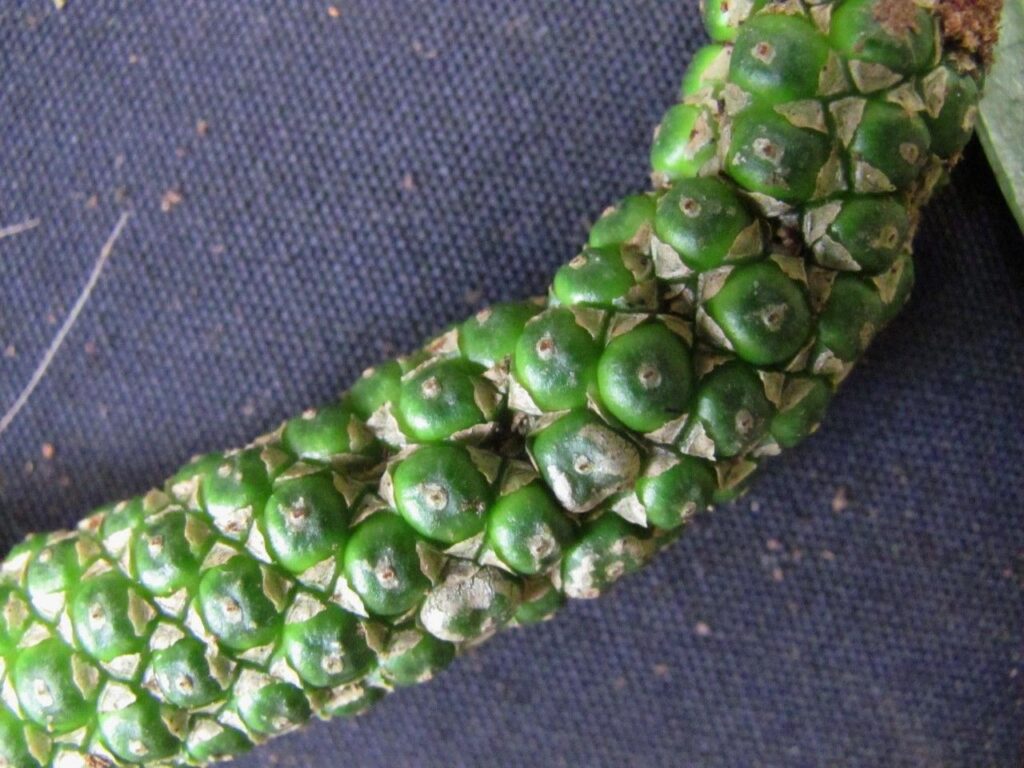
Propagating Anthurium angustispadix: Challenges and Rewards
Anthurium angustispadix, sometimes called the Lance-leaf Anthurium or Narrow-leaf Anthurium, is a captivating member of the Araceae family, prized for its elegant, slender leaves and unique inflorescences. Its striking appearance and relative ease of indoor cultivation have made it increasingly popular among plant enthusiasts. However, propagating this species presents unique challenges. This article will explore the various propagation methods, highlighting their viability and providing practical advice for successful cultivation.
Seed Germination:
Currently, there are no known reliable methods for seed germination propagation of Anthurium angustispadix. While Anthurium species generally produce seeds, the success rate of germination for A. angustispadix is extremely low, likely due to factors including seed sterility or specific germination requirements yet to be identified. Further research is needed to determine suitable techniques or potential seed treatments that could improve germination rates.
Cuttings:
Cuttings are a more promising method, though not without challenges.
Challenges: A. angustispadix can be slow to root from cuttings. The success rate depends on several factors including the age and health of the parent plant, the type of cutting (stem or leaf), and the propagation environment.
Tips: Use semi-hardwood stem cuttings, taking cuttings that are 4-6 inches long with at least two nodes. Remove lower leaves to prevent rot. Dip the cut ends in a rooting hormone before planting in a well-draining, sterile propagation mix (e.g., perlite and peat moss). Maintain high humidity (using a humidity dome or plastic bag) and a warm temperature (75-80°F). Consistent moisture is crucial, but avoid overwatering which can lead to rot.
Rewards: Successful propagation from cuttings is relatively straightforward once mastered, providing a quicker way to increase the number of plants compared to other methods.
Division:
Division is a viable propagation technique for Anthurium angustispadix, particularly when the parent plant is mature and has developed substantial root growth.
Challenges: Care must be taken not to damage the roots during the division process, which could severely stress or kill the plant. Each division needs to have a healthy portion of roots and stems to ensure survival.
Tips: Divide the plant during repotting. Gently untangle the roots and separate the plant into several sections, each with its own root system and several leaves. Repot each division into a suitable potting mix, ensuring they have adequate space to grow.
Rewards: Division is a relatively simple and effective method, producing plants that are genetically identical to the parent plant and blossom quicker than cuttings.
Tissue Culture:
Tissue culture offers the potential for large-scale propagation of Anthurium angustispadix.
Challenges: Tissue culture requires specialized equipment, sterile conditions, and a detailed understanding of plant tissue culture techniques. The process itself is time-consuming and requires specialized expertise.
Tips: This method is best left to experienced tissue culture laboratories or professionals familiar with Anthurium propagation. They can establish protocols for optimal growth and multiplication of plantlets in a sterile environment.
Rewards: Tissue culture allows for the rapid and mass production of genetically identical plants, crucial for commercial propagation or conservation efforts.
Conclusion:
Propagating Anthurium angustispadix presents unique challenges, with seed germination proving currently unreliable. Cuttings offer a viable option for home propagators, though patience and care are necessary. Division is relatively simple for mature plants and tissue culture is ideal for large-scale production. The rewards of successfully cultivating this beautiful plant are substantial, however. The satisfaction of nurturing a tiny cutting into a thriving specimen or successfully dividing a mature plant is a testament to patience, skill, and a deep appreciation for the natural world. The unique beauty of Anthurium angustispadix makes the effort well worth it for any dedicated plant enthusiast. Don’t be discouraged by initial setbacks; persistence and careful attention to detail are key to success.