
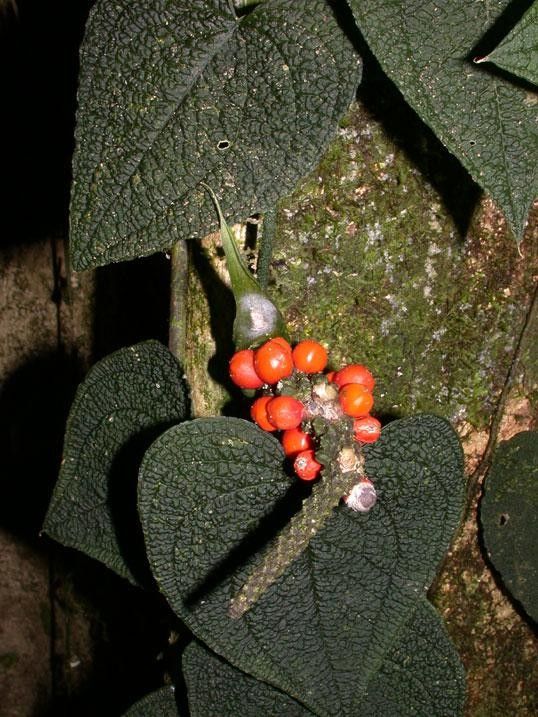
Propagating Anthurium clidemioides: A Gardener’s Guide
Anthurium clidemioides, sometimes called the "Velvet Anthurium" due to its distinctive velvety foliage, is a captivating member of the Araceae family. Its heart-shaped, dark green leaves, often with prominent veining, and its relatively low maintenance requirements contribute to its growing popularity among plant enthusiasts. However, while its cultivation is relatively straightforward, propagation can present some unique challenges. This article explores various propagation methods for Anthurium clidemioides, weighing their viability and success rates.
Seed Germination:
Currently, there are no known reliable methods for seed germination propagation of Anthurium clidemioides. While the plant does produce seeds, their germination rate is extremely low, and achieving successful germination under home conditions is considered practically impossible. The challenges likely involve complex germination requirements that are not yet fully understood, possibly including specific mycorrhizal associations or precise temperature and humidity conditions.
Cuttings:
Cuttings are a more viable option than seed germination, though still not without challenges. Stem cuttings are the most common method attempted.
- Challenges: Anthurium clidemioides cuttings can be slow to root. The success rate heavily depends on maintaining high humidity and consistent warmth. Rot is a significant risk, especially if cuttings are not properly treated with fungicides.
- Practical Tips: Take stem cuttings, ideally with at least one node and a leaf or two. Use a sharp, sterile blade to prevent disease transmission. Dip the cut end in rooting hormone before planting in a well-draining, moisture-retentive medium like a mix of perlite and peat moss. Cover the cutting with a humidity dome or plastic bag to maintain high humidity. Keep the potting mix consistently moist but not waterlogged. A bottom-heat propagation mat can significantly improve rooting success by accelerating the process. Placing cuttings under bright, indirect light is also crucial.
- Rewards: While the process is challenging, successful rooting of cuttings provides a genetically identical clone of the parent plant, ensuring you maintain desirable traits. It’s generally a more reliable method compared to seed propagation.
Division:
Division is a feasible propagation method for Anthurium clidemioides, especially for mature, established plants with multiple growth points.
- Challenges: Care must be taken to avoid damaging the roots during the division process. Each division needs to have a sufficient amount of root system to establish independently. The success of this method highly relies on the health and maturity of the plant.
- Practical Tips: Divide the plant during the active growing season (spring/summer). Gently remove the plant from its pot and carefully separate the sections, ensuring each division has its own healthy root system and several stems. Replant each division in a well-draining potting mix and maintain consistently moist conditions until the plants are established.
- Rewards: Division produces relatively quick results compared to cuttings, resulting in multiple plants. It limits the risk of losing the mother plant, unlike other methods.
Tissue Culture:
Tissue culture offers the possibility of large-scale propagation and disease-free plants.
- Challenges: Tissue culture requires specialized equipment, a sterile environment, and significant expertise in plant tissue culture techniques. It is the most expensive and technically demanding propagation method.
- Practical Tips: This method is best left to professional nurseries or laboratories with the necessary resources and skills. Contacting a specialist in plant tissue culture is necessary for achieving success.
- Rewards: Rapid propagation of large numbers of disease-free plants. This unlocks the potential for wider availability of Anthurium clidemioides and creates opportunities for the mass production of this unique plant.
Conclusion:
Propagating Anthurium clidemioides presents several challenges, and patience is key. While seed germination appears infeasible, cuttings and division provide reasonable, albeit slow, success rates with diligent care. Tissue culture, although technically difficult and expensive, presents the most promising avenue for mass propagation. The unique satisfaction derived from successfully propagating this striking plant—from overcoming the challenges to nurturing new growth—makes the endeavor particularly rewarding. Aspiring propagators shouldn’t be discouraged; persistence and attention to detail are essential for achieving success with this beautiful species. Remember to always maintain sterile conditions and provide consistent warmth and humidity to maximize your chances.