
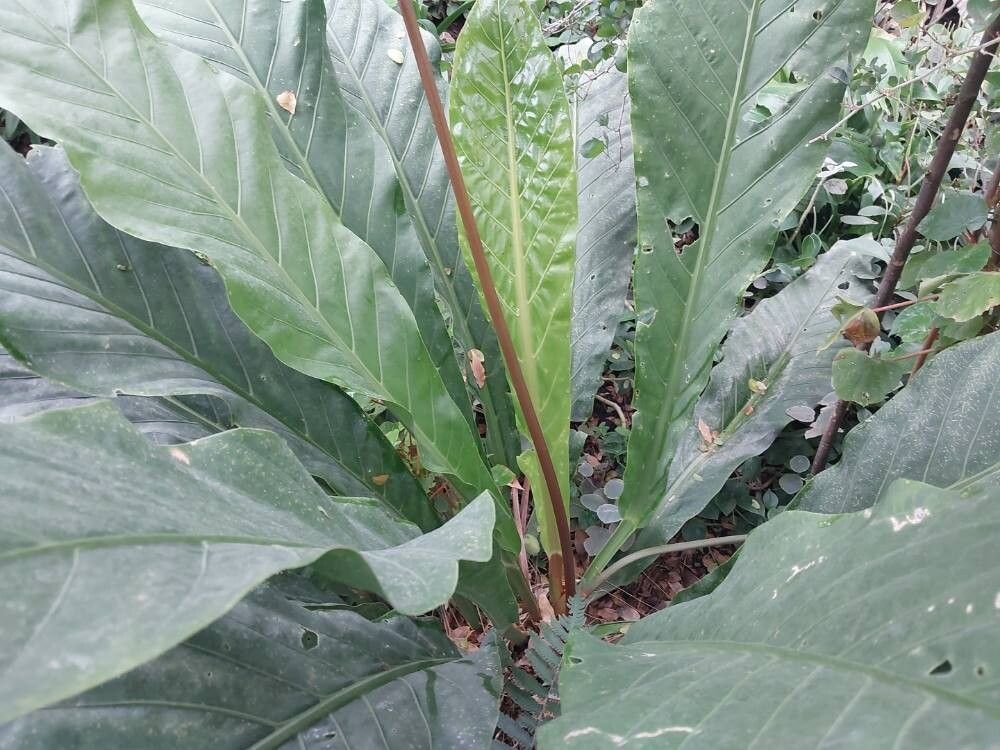
Propagating the Velvet Leaf Anthurium: A Guide to Cultivating Anthurium crassinervium
Introduction:
Anthurium crassinervium, commonly known as the Velvet Leaf Anthurium, is a highly sought-after aroid prized for its striking, deeply veined, velvety leaves. Its rich, dark green foliage, often exhibiting a plush texture and a subtle sheen, makes it a captivating addition to any plant collection. This species, unlike some of its flowering Anthurium relatives, is grown primarily for its foliage, contributing to its unique horticultural significance. Its popularity among collectors stems from the challenge and reward inherent in its cultivation and propagation. However, propagating Anthurium crassinervium presents unique hurdles not typically encountered with other, more readily propagated plants.
Seed Germination:
Currently, there are no known reliable methods for seed germination propagation of Anthurium crassinervium. While the species is capable of producing seeds, germination rates are extremely low, and success requires specialized conditions rarely achievable by home growers. Further research into the specific germination requirements is needed.
Cuttings:
Cuttings are a more viable propagation method for Anthurium crassinervium than seed germination, though still challenging.
Challenges: The slow-growing nature of the plant means cuttings root slowly. Furthermore, susceptibility to fungal diseases during the rooting phase is a considerable risk.
Practical Tips: Use a sterile, well-draining mix (e.g., sphagnum moss or perlite). Select healthy stem cuttings approximately 4-6 inches long, ensuring at least one node is included. Apply rooting hormone to encourage root development. Maintain high humidity (using a humidity dome or propagation case) and consistently warm temperatures (around 75-80°F). Regularly monitor for signs of rot or fungal infections.
Rewards: Successful propagation via cuttings offers a relatively straightforward way to increase your stock of this beautiful plant. However, the slow growth rate should be taken into consideration.
Division:
Division, separating a mature plant into smaller sections containing their own root systems, is a moderately successful method for propagating Anthurium crassinervium.
Challenges: Disturbing the root system of a mature plant can be stressful, potentially leading to plant decline. Only larger, established plants with well-developed root systems are suitable for division.
Practical Tips: Divide the plant carefully during the spring or early summer growing season. Use a clean, sharp knife or shears to minimize damage. Ensure each section has a healthy portion of roots and several healthy leaves. Plant each division in a well-draining potting mix and maintain high humidity to encourage recovery.
Rewards: Division allows for the rapid increase of your Anthurium crassinervium plant count through the separation of large, healthy specimens.
Tissue Culture:
Tissue culture is the most reliable method for large-scale propagation of Anthurium crassinervium, producing many clones quickly.
Challenges: Tissue culture requires specialized equipment, aseptic techniques, and a considerable level of expertise. It is not a feasible option for home growers.
Practical Tips: This method requires a controlled environment with sterile media, growth hormones, and specialized culture vessels. Procedures must strictly follow aseptic techniques to avoid contamination.
Rewards: High propagation rates and the assurance of genetically consistent plants are the major advantages of this method, making it ideal for commercial cultivation and conservation efforts.
Conclusion:
Propagating Anthurium crassinervium presents a significant challenge due to its susceptibility to disease and slow growth. While seed germination is currently unreliable, cuttings and division, with careful attention to detail and sanitation, offer viable options for home growers. Tissue culture provides the most reliable solution for large-scale propagation but demands specialized knowledge and resources. The rewards—possessing this unique and beautiful plant, the satisfaction of overcoming the propagation difficulties, and the potential to share these plants with others – are well worth the effort. With patience, persistence, and attention to detail, aspiring propagators can successfully cultivate and expand their collection of Velvet Leaf Anthuriums. Remember to always prioritize creating a sterile and humid environment to increase your chances of success.