
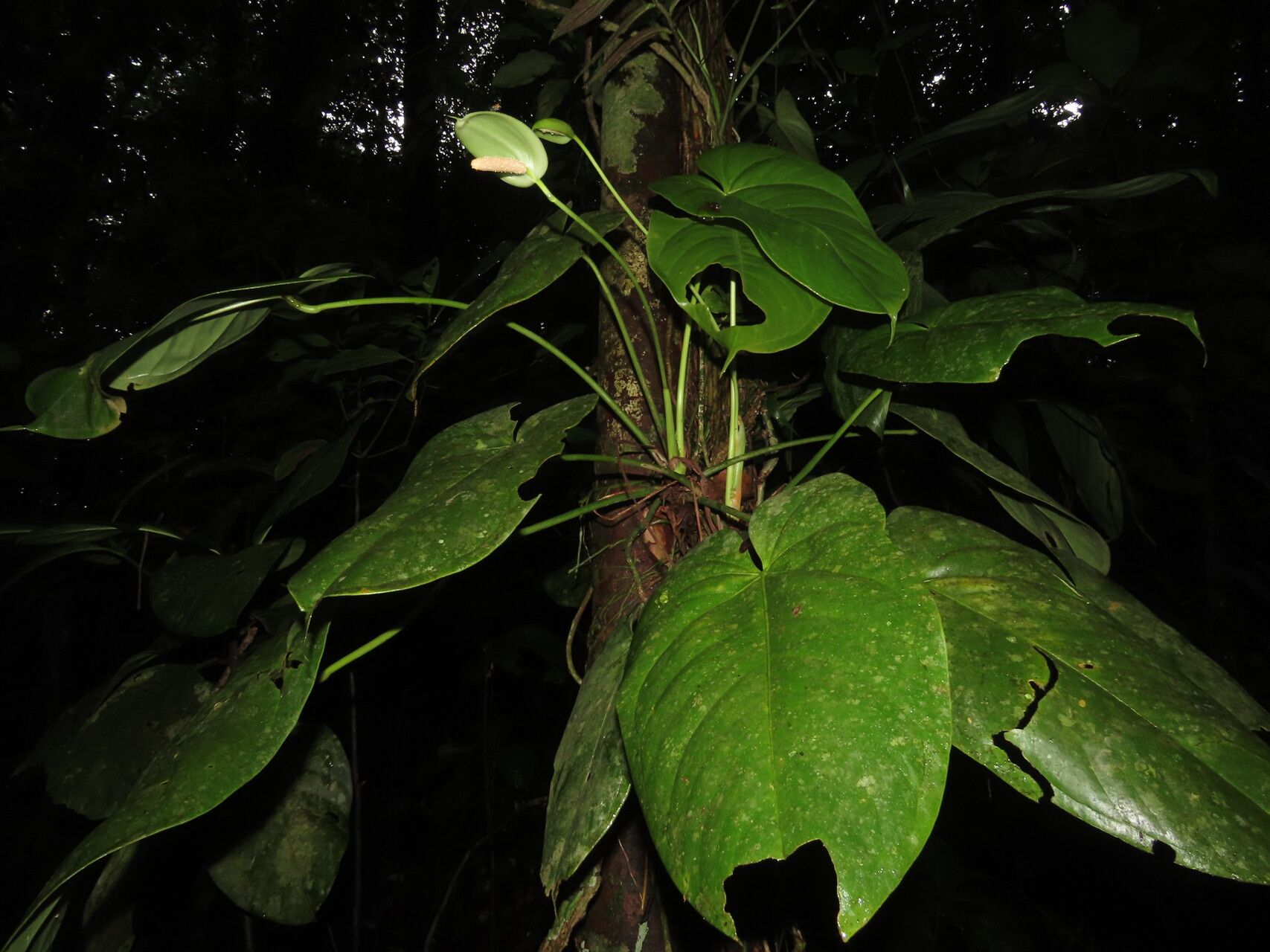
Propagating Anthurium cupulispathum: A Gardener’s Guide
Introduction
Anthurium cupulispathum, also known as the cup-shaped anthurium, is a captivating member of the Araceae family, prized for its unique, cup-shaped spathe and subtly textured foliage. Its relatively compact size and intriguing aesthetic make it a popular choice among collectors and enthusiasts. However, its propagation presents unique challenges, requiring patience and specific techniques. Unlike some anthuriums readily propagated from cuttings, A. cupulispathum presents a more nuanced propagation landscape. This article explores different methods, highlighting their feasibility and associated difficulties.
Seed Germination
Currently, there are no known reliable methods for seed germination propagation of Anthurium cupulispathum. While the plant does produce seeds, achieving germination in a controlled environment has proven exceptionally difficult. Further research is needed to establish optimal conditions, possibly including specific temperature and humidity requirements, as well as potential for seed dormancy issues.
Cuttings
Propagating Anthurium cupulispathum from cuttings is challenging but potentially more successful than seed germination.
Challenges: Stem cuttings are a possible approach, but A. cupulispathum doesn’t readily produce abundant, easily-rooted stems like some other anthurium species. Root development is slow and prone to rot if conditions are not precisely met.
Practical Tips: Take nodal cuttings – sections of stem with at least one node (where leaves or roots emerge) – from healthy, mature plants. Use a clean, sharp knife or scalpel to avoid damaging the tissues. Apply a rooting hormone before planting in a well-draining medium, such as a mix of perlite and peat moss. Maintain high humidity (e.g., using a propagation dome or misting regularly) and warmth (around 75-80°F/24-27°C). Avoid overwatering, as this is a common cause of rot in cuttings.
Rewards: Success with cuttings offers a relatively quick method to increase the number of plants compared to tissue culture, with the resulting plants being genetically identical to the parent.
Division
Division is another potentially viable method, but only for mature, well-established plants with multiple crowns.
Challenges: Disturbing the root system during division can stress the plant, increasing the risk of failure. The plant must be large and healthy enough to handle the division.
Practical Tips: Carefully remove the plant from its pot, gently separating the root ball into multiple sections, each with its own set of roots and leaves. Replant each division in a well-draining potting mix, ensuring the crown is slightly above soil level. Water gently and provide consistent warmth and humidity.
Rewards: Division produces exact genetic copies, leading to faster establishment of new plants than from cuttings.
Tissue Culture
Tissue culture offers the most controlled environment for propagation.
Challenges: Tissue culture requires specialized equipment, sterile techniques, and a significant investment of time and resources. Finding a reliable protocol specific to Anthurium cupulispathum might require experimentation.
Practical Tips: Experienced tissue culture laboratories possess the resources and expertise to handle the specialized techniques required. The process often involves establishing sterile cultures from a small section of plant tissue and growing them on nutrient media to produce numerous plantlets.
Rewards: Large-scale propagation is possible using tissue culture, overcoming the challenges of limited stock material. It offers the most reliable method for consistently producing healthy plants, especially in commercial settings.
Conclusion
Propagating Anthurium cupulispathum presents several challenges, with seed germination currently considered unreliable. Cuttings, division, and tissue culture each offer possibilities but require meticulous attention to detail, patience, and an understanding of the plant’s specific needs. While the process may be arduous, the unique satisfaction of successfully cultivating this challenging plant makes it a rewarding experience for any serious enthusiast. Don’t be discouraged by initial setbacks; through careful observation, persistence, and a willingness to adapt your techniques, even beginners can find success in propagating this beautiful and intriguing specimen. Your willingness to adapt and learn from each attempt will be key to your success.