
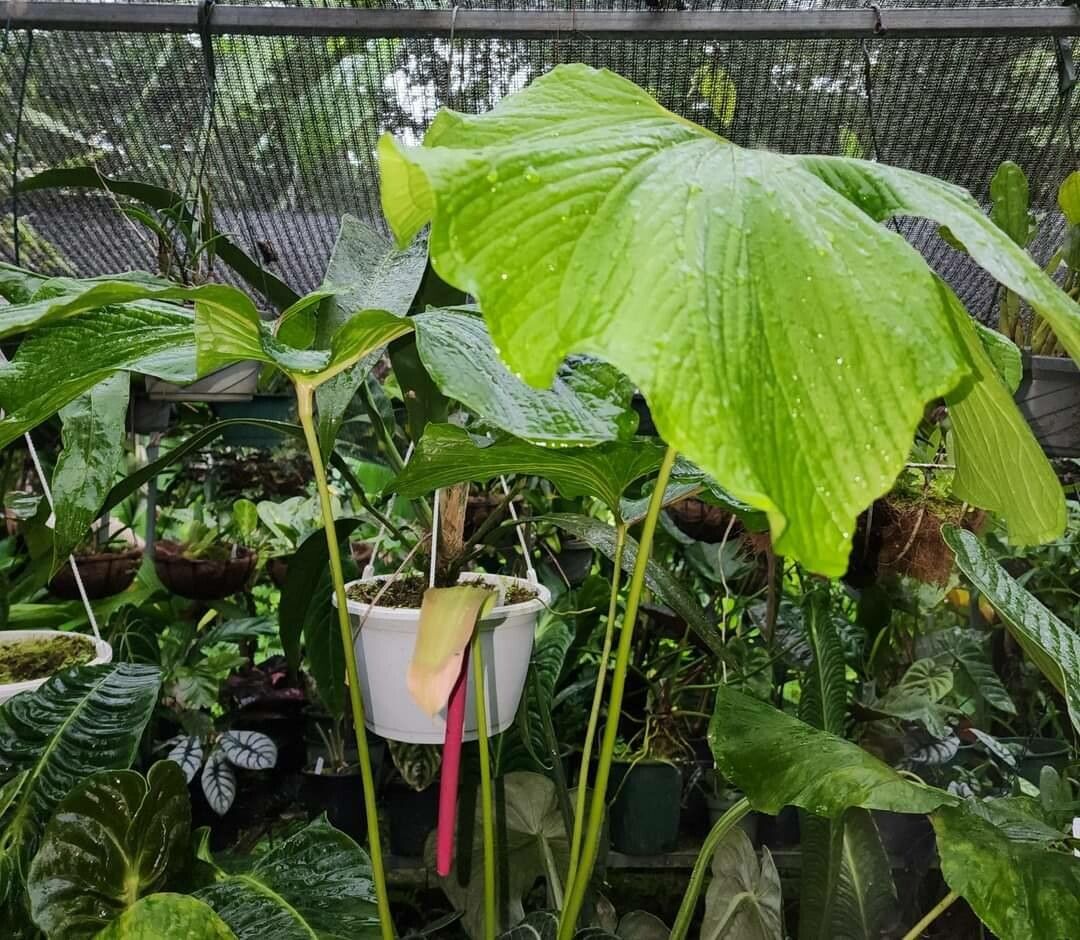
Propagating the Dragon’s Wing: A Guide to Anthurium draconopterum
Introduction:
Anthurium draconopterum, commonly known as the Dragon’s Wing Anthurium, is a captivating plant prized for its dramatically large, deeply lobed, and almost leathery leaves. Its unique foliage, exhibiting a striking resemblance to a dragon’s wing, makes it a highly sought-after addition to many plant collections. However, its propagation presents unique challenges compared to other Anthurium species, requiring a more detailed understanding of its specific needs. Its popularity amongst discerning gardeners fuels interest in effective propagation techniques to increase its availability.
Seed Germination:
Currently, there are no known reliable methods for seed germination propagation of Anthurium draconopterum. While Anthurium plants generally reproduce via seeds, the success rate for A. draconopterum from seed appears to be extremely low, likely due to factors like specific pollination requirements or seed dormancy mechanisms not yet fully understood.
Cuttings:
Propagating Anthurium draconopterum via cuttings presents challenges but is a potentially more viable method than seed germination.
Challenges: Anthurium draconopterum cuttings are slow to root and prone to rot if not carefully managed. The large leaves can also transpire significant moisture, leading to dehydration.
Practical Tips: Take stem cuttings with at least one node and several leaves. Remove the lower leaves to prevent rotting. Use a well-draining, sterile propagation mix (e.g., perlite and peat moss). Applying rooting hormone can marginally increase success rates. Maintain high humidity using a humidity dome or plastic bag, but ensure good ventilation to prevent fungal growth. Bottom heat can also encourage rooting.
- Rewards: Cuttings offer a relatively faster method of propagation compared to tissue culture and avoids the unpredictability of seed germination. It allows for relatively quicker clonal reproduction, preserving the desirable traits of the parent plant.
Division:
Division is generally not a viable method for propagating Anthurium draconopterum. This species typically does not produce readily divisible rhizomes or offsets like some other Anthurium varieties.
Tissue Culture:
Tissue culture offers the most promising method for large-scale propagation of Anthurium draconopterum.
Challenges: Tissue culture requires specialized equipment, a sterile environment, and expertise in plant tissue culture techniques. It can be a costly and time-consuming process. Developing optimal protocols for A. draconopterum may require experimentation to determine the most effective media and growth regulators.
Practical Tips: This method needs to be undertaken in a professional laboratory setting. The selection of appropriate growth media, explant type, sterilization techniques, and growth regulators are critical for success.
- Rewards: Tissue culture offers the potential for mass propagation, high success rates, and the production of disease-free plants. It is the most efficient method for large-scale commercial production, allowing for greater availability of this desirable plant.
Conclusion:
Propagating Anthurium draconopterum presents significant challenges. While seed germination is currently unreliable, cuttings offer a relatively accessible, albeit slower method for home propagators. Tissue culture remains the most efficient approach for large-scale cultivation, albeit requiring specialized knowledge and resources. The rewards, however, are significant: the successful cultivation of this dramatic plant, with its unique foliage, provides a deep sense of satisfaction that surpasses the effort required. For aspiring propagators, patience, attention to detail, and a willingness to learn and adapt are key to success. Don’t be discouraged by initial setbacks – the thrill of nurturing a Dragon’s Wing from a cutting or successfully establishing a tissue culture will undoubtedly be worth the effort.