
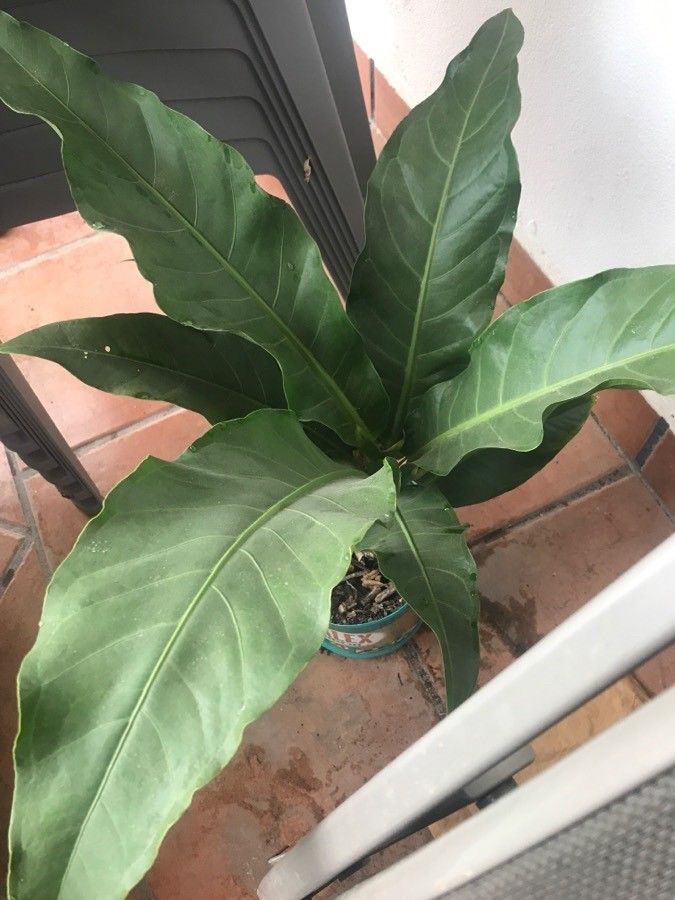
Propagating Anthurium eggersii: A Gardener’s Guide
Introduction:
Anthurium eggersii, sometimes known as the Egger’s Anthurium, is a captivating species prized for its uniquely textured, dark green foliage. Unlike many showy Anthurium cultivars known for their vibrant flowers, A. eggersii‘s appeal lies in its striking, almost velvety leaves, which often exhibit a subtly heart-shaped form and pronounced venation. This relatively rare species has gained significant popularity among collectors and enthusiasts, partly due to the challenge and satisfaction involved in its cultivation and propagation. Its unique characteristics make it a highly sought-after addition to any aroid collection, fueling interest in its propagation.
Seed Germination:
Currently, there are no known reliable methods for seed germination propagation of Anthurium eggersii. While Anthurium species in general can be propagated from seed, the success rate for A. eggersii appears to be extremely low, possibly due to specific pollination requirements or seed dormancy issues not yet fully understood. Further research is needed to establish viable seed germination protocols for this species.
Cuttings:
Cuttings present a more promising method for propagating Anthurium eggersii. However, it’s not a straightforward process.
Challenges: The low success rate with stem cuttings is the primary challenge. Proper sanitation and the prevention of fungal infections are crucial.
Practical Tips: Use sharp, sterilized tools to take apical or nodal cuttings, ensuring each cutting contains at least one node. Apply a rooting hormone to stimulate root development. Plant the cuttings in a well-draining, sterile medium such as a perlite and peat moss mix and maintain high humidity (e.g., using a propagator or humidity dome) and warm temperatures (around 25-30°C). Careful monitoring for fungal growth and timely treatment with fungicides are crucial.
Rewards: Successful propagation via cuttings is relatively quick compared to other methods, producing genetically identical clones of the parent plant.
Division:
Division offers another potential propagation method for Anthurium eggersii, but it’s limited by the plant’s growth habit.
Challenges: A. eggersii doesn’t readily produce offsets or easily divisible rhizomes like some other Anthurium species. This makes division infrequent and likely to stress the mother plant significantly.
Practical Tips: Division should only be attempted when the plant is mature and has developed substantial root systems. The plant should be carefully removed from its pot, and the root ball gently separated into smaller sections, ensuring each section has healthy roots and foliage. Repot each division in a well-draining medium.
Rewards: Division allows for the rapid increase of the number of plants, maintaining the genetic characteristics of the parent plant.
Tissue Culture:
Tissue culture is arguably the most effective method for large-scale propagation of Anthurium eggersii.
Challenges: Tissue culture requires specialized equipment, a sterile environment, and skilled technicians. The process can be expensive and may require significant expertise in plant tissue culturing techniques.
Practical Tips: Sterilization of media and equipment is paramount to avoid contamination. Optimal media compositions and growth regulators must be carefully determined through experimentation to achieve successful shoot proliferation and rooting.
Rewards: Tissue culture allows for rapid, large-scale propagation producing disease-free clones. It minimizes stress on the parent plant and allows for the preservation of valuable genetic material.
Conclusion:
Propagating Anthurium eggersii presents unique challenges due to its limited seed viability and the difficulty involved in other methods. While cuttings offer a realistic approach for hobbyists, success requires precision, patience and meticulous care. Division is possible but limited. Tissue culture remains the most efficient method for large-scale propagation but is costly and requires specialized skills. The rewards, however, are substantial. The success of propagating this unique plant brings a deep sense of accomplishment, especially considering the inherent difficulties. For aspiring propagators, embracing patience, thorough sanitation, and a willingness to learn from setbacks are key to success. The journey, with its trials and triumphs, ultimately enriches the experience of cultivating and sharing this beautiful plant.