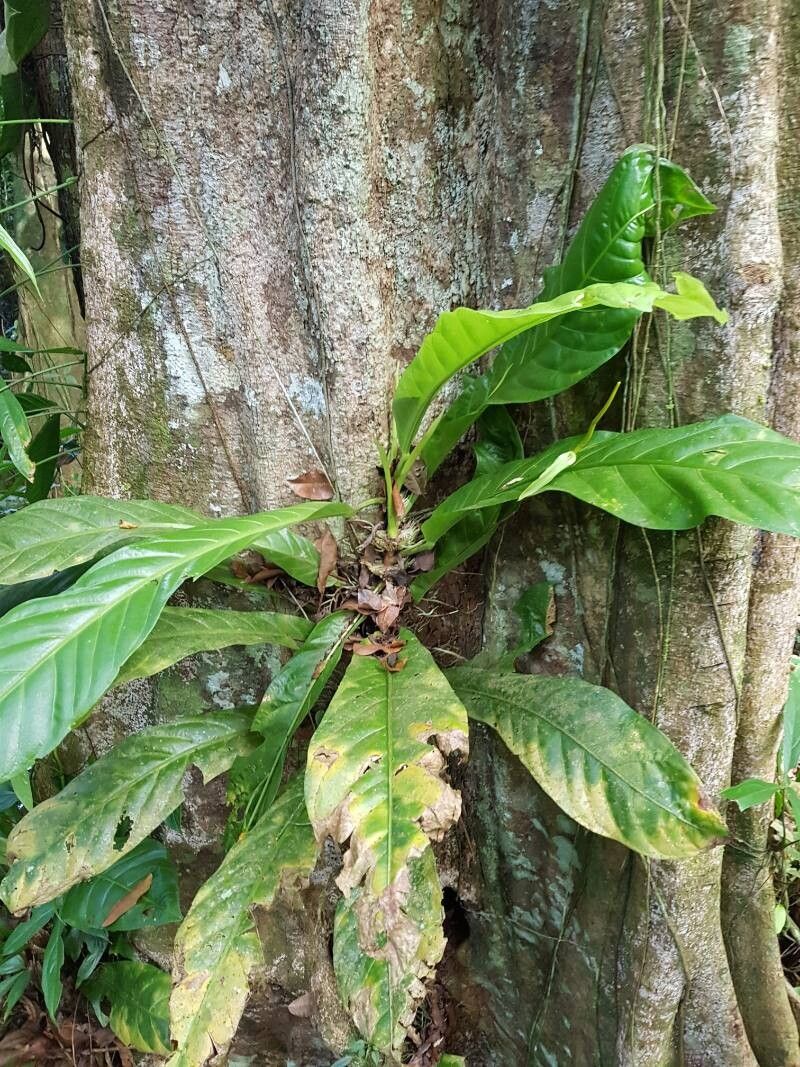
How to Propagate Anthurium fatoense

Propagating the Exquisite Anthurium fatoense: A Gardener’s Guide

Introduction:

Anthurium fatoense, sometimes referred to as the Fato Anthurium, is a captivating member of the Araceae family, prized for its velvety, dark green foliage and unique inflorescence. Unlike many brightly colored Anthurium species, its beauty lies in the deep, almost black-green leaves with prominent, almost metallic veins. This understated elegance has propelled it to increasing popularity among plant enthusiasts seeking something beyond the common Anthurium andraeanum. However, its propagation presents unique challenges, and mastering any successful technique offers a significant horticultural achievement.

Seed Germination:

Currently, there are no known reliable methods for seed germination propagation of Anthurium fatoense. While Anthurium species generally reproduce via seeds, the germination rate of A. fatoense seeds appears to be extremely low, making this method impractical for most home cultivators. Further research is needed to unlock the secrets of successful seed germination for this species.

Cuttings:

Cuttings present a more practical approach, though not without its hurdles.

Challenges: A. fatoense, like many Anthurium, is slow to root from cuttings. The success rate is highly dependent on maintaining optimal humidity and temperature, preventing fungal infections, and utilizing appropriate rooting hormones.

Practical Tips: Stem cuttings, taken from healthy, mature growth, should be approximately 4-6 inches long, with at least two nodes. Remove lower leaves to prevent rot. Dip the cut ends in a rooting hormone solution before planting in a well-draining, moist medium like a mix of perlite and peat moss. Maintain high humidity using a humidity dome or plastic bag. Consistent bottom heat (around 75-80°F) can significantly improve rooting success. Avoid overwatering, which can lead to fungal diseases.

Rewards: While slower than other propagation methods, successful propagation from cuttings offers a relatively straightforward way to increase the number of plants, preserving the characteristics of the parent plant.

Division:

Division is another potential propagation method, but it is limited.

Challenges: A. fatoense doesn’t readily produce multiple offsets or crowns like some other Anthurium varieties. Attempts at division may damage the parent plant significantly and yield few, if any, successful divisions.

Practical Tips: Division should only be attempted on larger, well-established plants. Carefully separate the plant into sections, ensuring each section has sufficient roots and foliage. Plant each division in fresh, well-draining potting mix.

Rewards: If successful, division can result in two or more plants, without requiring special equipment or materials beyond typical potting supplies.

Tissue Culture:

Tissue culture offers the greatest potential for large-scale propagation.

Challenges: This method requires specialized equipment, a sterile laboratory environment, and significant expertise in plant tissue culture techniques. Optimal media formulations and growth conditions may need specific research for A. fatoense. This is costly and complex.

Practical Tips: This is not a method suitable for home growers. It requires access to a tissue culture laboratory and trained personnel.

Rewards: Tissue culture allows for rapid, mass propagation of genetically identical plants, preserving valuable characteristics and potentially providing a wider availability of A. fatoense.

Conclusion:

Propagating Anthurium fatoense is challenging, regardless of the chosen method. Seed germination remains largely unproven, cuttings provide a more viable, albeit slow method, division is limited by the plant’s growth habit, and tissue culture remains a complex but potentially valuable option for large-scale propagation. Despite the difficulties, the unique satisfaction of successfully propagating this exquisite plant is immeasurable. The rewards – a thriving new plant, the growth of horticultural expertise, and the thrill of mastering a demanding propagation challenge – outweigh the hurdles. Patience, attention to detail, and a steadfast approach are key ingredients to success. So, aspiring propagators, don’t be discouraged. Embark on your Anthurium fatoense journey – the journey itself is part of the reward!

How to Propagate Anthurium fatoense

Propagating Anthurium fatoense: A Gardener’s Guide

Introduction

Anthurium fatoense, sometimes called the Fato Anthurium, is a captivating member of the Araceae family, prized for its striking foliage. Unlike many showy Anthurium species known for their vibrant flowers, A. fatoense captivates with its deeply veined, velvety leaves, often exhibiting a rich, dark green color with a subtly metallic sheen. This relatively rare species has gained popularity among plant enthusiasts for its unique aesthetic and challenging cultivation, adding to its allure. While its stunning appearance makes it highly desirable, propagating A. fatoense presents unique hurdles. This guide explores the various methods available, detailing their challenges and potential rewards.

Seed Germination

Currently, there are no known reliable methods for seed germination propagation of Anthurium fatoense. While Anthurium species generally reproduce via seeds, the success rate for A. fatoense from seed is incredibly low, and established protocols are lacking. This may be attributed to factors such as low seed viability or specific, yet unidentified, germination requirements. Further research is needed to determine if seed germination is a viable option for this species.

Cuttings

Cuttings represent a more promising approach to propagating A. fatoense. However, it’s not without its difficulties.

  • Challenges: A. fatoense cuttings can be slow to root, and success is heavily dependent on maintaining consistently high humidity and warmth. Rot is a significant risk, particularly if the cutting is not properly prepared and the environment is too wet.

  • Practical Tips: Using a semi-hardwood cutting (partially mature stem) from a healthy, actively growing plant is recommended. Remove the lower leaves, dip the cut end in a rooting hormone, and plant in a well-draining medium such as a perlite and peat moss mix. Propagate under high humidity (using a humidity dome or plastic bag) and warm temperatures (around 75-85°F). Regular misting is crucial, but avoid overwatering. Root development typically takes several weeks to months.

  • Rewards: Successful propagation via cuttings allows for the relatively quick replication of desired characteristics from a parent plant, offering a faster route to increased numbers compared to other methods.

Division

Division is another potential method, but it’s limited by the plant’s growth habit.

  • Challenges: A. fatoense doesn’t readily produce numerous offsets or readily divide like some other Anthurium species. Attempting division when the plant isn’t actively growing can result in damage and failure.

  • Practical Tips: Division should only be attempted when the plant is mature and shows signs of substantial root growth, ideally in spring or early summer. Carefully remove the plant from its pot and gently separate the roots into sections, ensuring each section has its own healthy root system and several leaves. Repot each section into a suitable well-draining mix.

  • Rewards: Division, when successful, provides a relatively straightforward way to increase the number of plants, provided the mother plant is sufficiently mature.

Tissue Culture

Tissue culture is a specialized method offering the potential for large-scale propagation.

  • Challenges: Tissue culture requires specialized equipment, a sterile environment, and technical expertise. It’s not a method easily accessible to the home grower. The specific protocols for A. fatoense might need to be developed through experimentation.

  • Practical Tips: This is best left to professionals or experienced hobbyists with a tissue culture lab setup.

  • Rewards: Tissue culture offers the potential for rapid and large-scale propagation, allowing for the production of many genetically identical plants, and overcoming challenges linked to seed production and rooting cuttings.

Conclusion

Propagating Anthurium fatoense is undoubtedly challenging, with success rates varying depending on the chosen method. While seed germination remains largely unexplored, cuttings offer a more realistic path for home propagators, albeit a patient one. Division is limited by the plant’s growth habit and tissue culture requires specialized skills and resources. The journey, however, is rewarding. The unique satisfaction derived from nurturing a cutting into a magnificent Anthurium fatoense plant, especially considering the hurdles involved, is unparalleled. For aspiring propagators, persistence, patience, and meticulous attention to detail are key success factors. Don’t be discouraged by initial setbacks; the beauty of this rare species makes the effort worthwhile.