
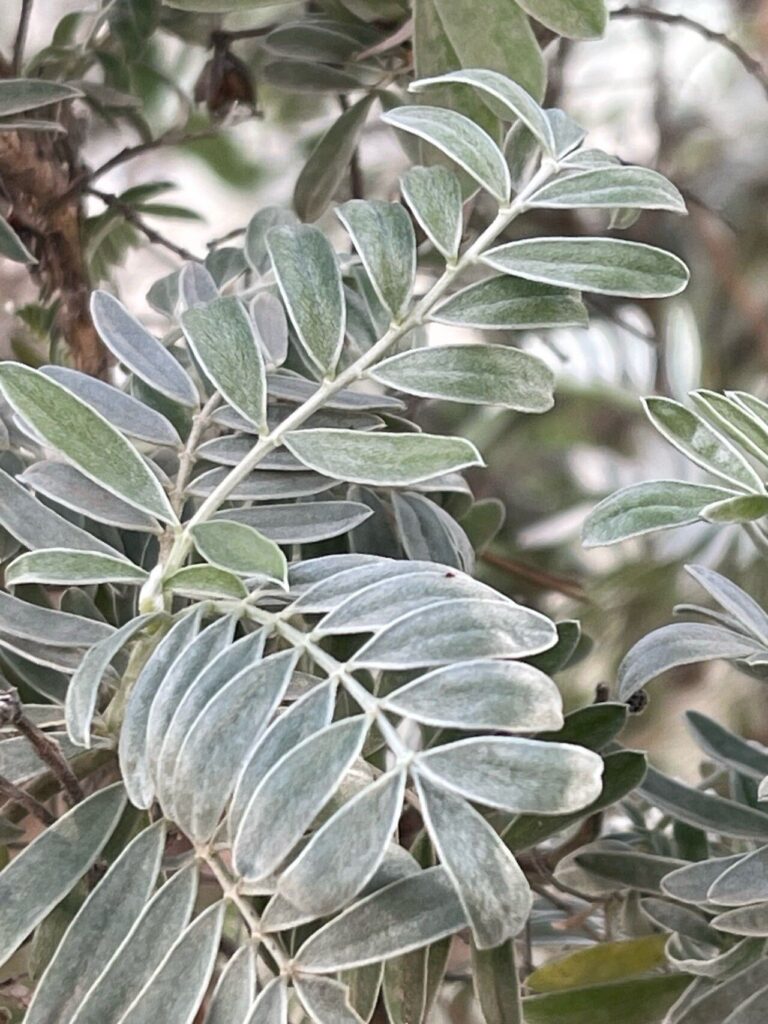
Propagating the Goat’s Rue (Anthyllis barba-jovis): A Gardener’s Challenge
Introduction
Anthyllis barba-jovis, commonly known as Goat’s Rue, is a captivating shrub prized for its silvery-grey foliage and vibrant, pea-like flowers ranging from yellow to deep crimson. Its drought tolerance and ability to thrive in poor soils make it a popular choice among gardeners seeking low-maintenance, visually striking plants for Mediterranean-style gardens or coastal landscapes. However, propagating this stunning shrub presents unique challenges, demanding patience and a thorough understanding of its propagation methods. While its popularity leads to a demand for more plants, the inherent difficulties in its propagation make success all the more rewarding.
Seed Germination
Seed germination for Anthyllis barba-jovis is viable, but notoriously challenging. The hard seed coat often inhibits germination, requiring a period of stratification to break dormancy. This process mimics the natural winter conditions the seeds would experience.
Challenges: Low germination rates are common even with stratification. Inconsistent results are frequently reported, likely due to variations in seed quality and stratification techniques.
Practical Tips:
- Stratification: Sow seeds in a moist medium (e.g., vermiculite or perlite) and store them in a refrigerator at around 4°C (39°F) for 6-8 weeks. Some sources suggest longer periods, up to 3 months.
- Sowing: After stratification, sow seeds thinly onto well-draining seed-starting mix. Maintain consistent moisture but avoid waterlogging. Warm temperatures (around 20°C or 68°F) are beneficial after stratification.
- Light: Seeds require light for germination, so don’t bury them too deeply.
Rewards: Successfully germinated seeds offer the benefit of genetic diversity, allowing for a wider range of plant characteristics within your collection. This method also has the potential for large-scale propagation, though the low germination rate needs to be considered.
Cuttings
Propagation through cuttings is viable, although success rates are moderate.
Challenges: Hardwood cuttings are generally preferred, but even these are prone to rotting if not handled carefully. The relatively slow rooting process also requires patience.
Practical Tips:
- Timing: Take semi-hardwood cuttings in late summer or early autumn.
- Preparation: Use a sharp knife or shears to make clean cuts. Remove lower leaves to prevent rotting.
- Rooting: Dip cuttings in a rooting hormone and plant them in a well-draining mix, such as a mixture of perlite and peat moss. Maintain high humidity using a propagator or covering with a plastic bag.
Rewards: This method offers a quicker way to obtain new plants compared to seed germination, especially those that are identical to the parent plant.
Division
Division is a viable option for propagating Anthyllis barba-jovis, but it is limited to established plants exhibiting sufficient root growth.
Challenges: Disturbing the root system can stress the plant, making it susceptible to disease or death. Careful handling is crucial.
Practical Tips: Divide the mature plant in spring, ensuring each division has a healthy root system and sufficient above-ground growth. Replant immediately and water thoroughly but sparingly, avoiding waterlogging.
Rewards: This method is relatively straightforward for established plants and can provide quick results with a high success rate.
Tissue Culture
Currently, there are no widely available, reliable protocols for tissue culture propagation of Anthyllis barba-jovis. Further research is needed in this area.
Conclusion
Propagating Anthyllis barba-jovis presents a unique challenge to gardeners due to the varying success rates across the different methods. Seed germination, though possible, often produces inconsistent results. Cuttings and division are more reliable, but still require careful technique. While tissue culture remains largely unexplored, the other methods offer viable paths. The commitment, however, is rewarded when observing the robust growth of these silvery-leaved beauties, a testament to the gardener’s patience and skill. The difficulties faced and ultimately overcome only magnify the satisfaction of successfully establishing new Goat’s Rue plants, adding a special dimension to the joy of gardening. Don’t be discouraged by initial setbacks – experiment, learn from your experience, and the rewarding sight of flourishing Anthyllis barba-jovis will be your ultimate reward.