
Propagating the Spanish Gorse: A Guide to Anthyllis cytisoides
Introduction:
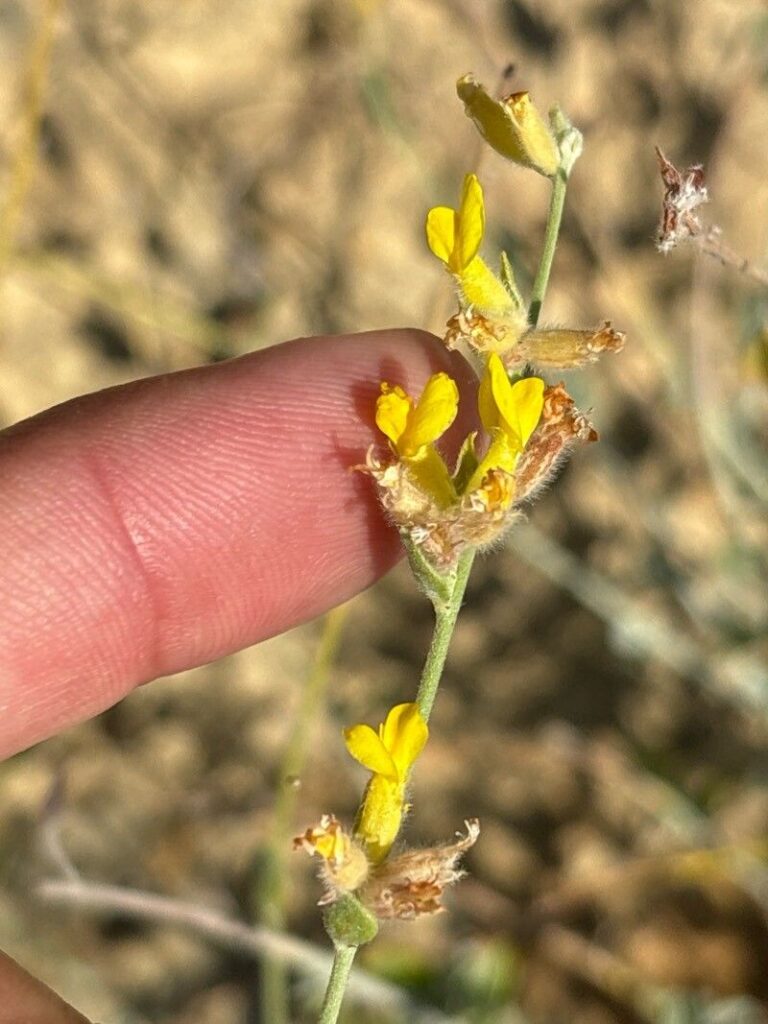
Anthyllis cytisoides, commonly known as Spanish Gorse or simply Gorse, is a captivating evergreen shrub prized for its vibrant, pea-like flowers and its tolerance of dry, poor soils. Its dense, upright habit combined with its profusion of yellow blooms makes it a popular choice for Mediterranean-style gardens, coastal plantings, and even erosion control. While its hardiness is a significant asset, propagating Anthyllis cytisoides can present some unique challenges, offering a rewarding experience for the dedicated gardener. Its popularity stems not only from its aesthetic qualities but also its resilience and relative low-maintenance nature once established.
Seed Germination:
Seed germination is a viable method for propagating Anthyllis cytisoides, but it’s not always straightforward. Challenges include a hard seed coat that inhibits germination and a requirement for specific environmental conditions.
- Challenges: Dormancy, caused by the hard seed coat, is a major hurdle. Seeds may require stratification (a period of cold, moist treatment) to break dormancy effectively.
- Practical Tips: Scarification (slightly scratching or nicking the seed coat) can improve germination rates. Pre-soaking seeds in warm water for 24 hours prior to sowing can also be beneficial. Stratification should be undertaken for approximately 6-8 weeks at temperatures between 3-5°C (37-41°F). Sow seeds in a well-draining seed compost, covering them lightly with soil. Maintain consistently moist (but not waterlogged) conditions. Germination typically occurs within a few weeks after stratification.
- Rewards: Successfully germinating seeds offers the benefit of genetic diversity, producing plants with potentially varied characteristics. This method is cost-effective and potentially allows for large-scale propagation.
Cuttings:
Propagation via cuttings is another feasible method for Anthyllis cytisoides.
- Challenges: Rooting success can vary depending on the timing and technique employed. Semi-hardwood cuttings taken in late summer or early autumn typically yield better results compared to softwood cuttings.
- Practical Tips: Take cuttings of approximately 10-15cm (4-6 inches) from the current year’s growth. Remove lower leaves, dip the cut end in a rooting hormone powder, and plant them in a well-draining rooting medium (e.g., a mixture of peat and perlite). Maintain consistently moist conditions and high humidity (e.g., using a propagation dome or plastic bag) to promote rooting. Rooting can take several weeks to months.
- Rewards: Cuttings provide a faster and more predictable method of propagation compared to seed, producing genetically identical plants to the parent plant. This is advantageous when propagating superior cultivars.
Division:
Division is generally not a practical method for propagating Anthyllis cytisoides. This shrub doesn’t readily produce offsets or suckers suitable for division.
Tissue Culture:
While theoretically possible, tissue culture propagation of Anthyllis cytisoides is rarely undertaken by home gardeners. This method requires specialized equipment, sterile conditions, and expertise.
- Challenges: Establishing aseptic conditions, selecting appropriate culture media, and maintaining optimal growth parameters are highly complex and require significant experience.
- Practical Tips: This method is best left to professional nurseries or research institutions due to its technical complexity.
- Rewards: Tissue culture allows for large-scale propagation of disease-free plants and can be used to conserve rare or endangered varieties.
Conclusion:
Propagating Anthyllis cytisoides presents a range of challenges depending on the chosen method. Seed germination offers the reward of genetic diversity but requires patience and knowledge of stratification techniques. Cuttings provide a quicker, more reliable means to replicate desirable plants but demand careful attention to humidity and rooting conditions. Division and tissue culture are generally less practical for home gardeners. The satisfaction of successfully cultivating this beautiful shrub from seed or cutting, however, is substantial, particularly given the relative ease of care once the plants are established. For aspiring propagators, remember perseverance is key, and the vibrant blooms of your successfully propagated Spanish Gorse will be a testament to your efforts.