
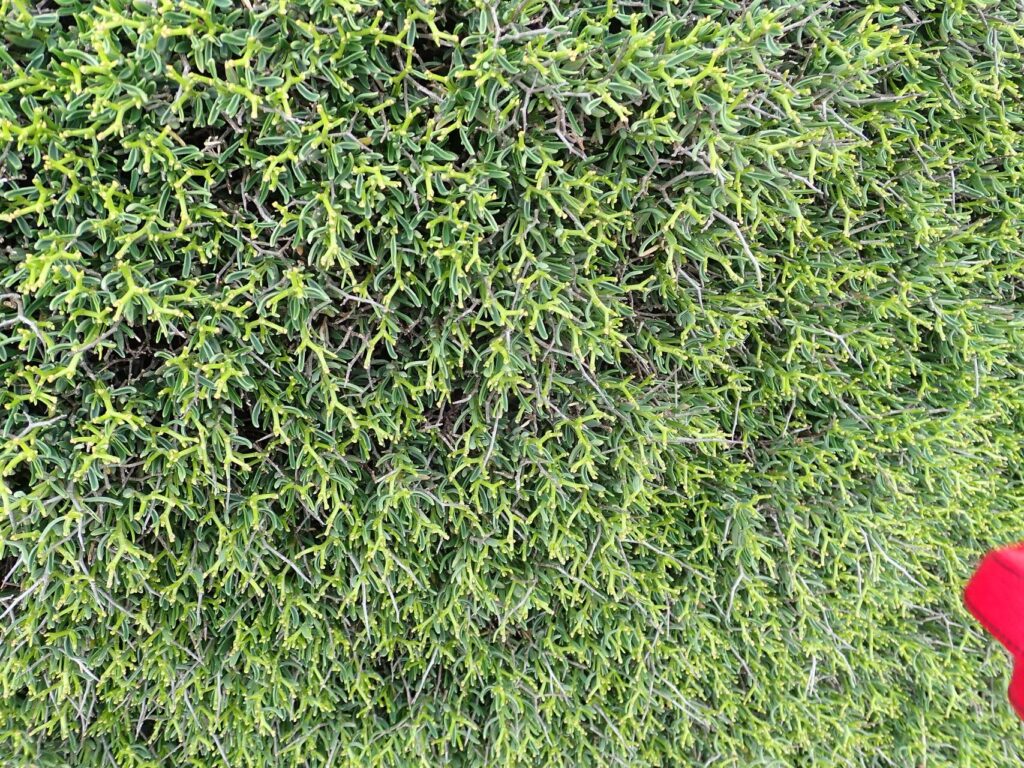
Propagating the Spiny Kidneyvetch (Anthyllis hystrix): A Gardener’s Guide
Introduction:
Anthyllis hystrix, commonly known as Spiny Kidneyvetch, is a captivating subshrub prized for its silvery-grey foliage and vibrant yellow flower clusters. Native to the Mediterranean region, it’s a resilient plant boasting drought tolerance and an attractive, almost architectural form. Its popularity among gardeners stems from its unique aesthetic appeal and suitability for rock gardens, slopes, and other challenging environments. However, propagation can be more demanding than with some other plants, presenting a rewarding challenge for the dedicated cultivator. The unique aspects of its propagation lie in its hardiness and potential for seed dormancy, impacting the success of different methods.
Seed Germination:
While seed germination is possible for Anthyllis hystrix, it’s not reliably straightforward. Challenges include a hard seed coat, which may require scarification (e.g., gentle nicking with a file or soaking in concentrated sulfuric acid for a short period – proceed with extreme caution), and potential dormancy requirements. Many seeds may require cold stratification for several weeks to break dormancy – this involves keeping the seeds moist at temperatures near 4°C (39°F) for 6-8 weeks before sowing.
Practical Tips: Sow seeds thinly in a well-draining seed-starting mix, keeping the surface moist but not waterlogged. Maintain consistent warmth (approximately 18-21°C or 64-70°F) after stratification. Germination can be slow and uneven. The rewards of successful seed germination include significant genetic diversity within the resulting plants and the potential for large-scale propagation, making it cost-effective for larger projects.
Cuttings:
Cuttings are a more reliable method of propagation for Anthyllis hystrix than seed. Semi-hardwood cuttings taken in late summer or early autumn generally show better results.
Practical Tips: Take cuttings of about 10-15cm (4-6 inches) from non-flowering stems. Remove lower leaves and treat the cut end with rooting hormone. Plant the cuttings in a well-draining propagation mix, maintaining humidity using a propagator or plastic bag. Rooting may take several weeks to months. The rewards are quicker establishment of genetically identical plants to the parent.
Division:
Division is a relatively easy method, suitable for established plants. This method allows for the rapid increase of a specific, desirable clone.
Practical Tips: Carefully dig up the Anthyllis hystrix in early spring or autumn. Gently separate the plant into smaller sections, ensuring each division has a good root system. Replant immediately, ensuring sufficient spacing and adequate watering. This method delivers quick results and avoids the lengthy process associated with seeds or cuttings.
Tissue Culture:
Currently, there are no widely published, readily available protocols for successful tissue culture propagation of Anthyllis hystrix. While this method offers the potential to produce large numbers of genetically identical plants rapidly, further research is needed to develop reliable techniques specifically for this species.
Conclusion:
Propagating Anthyllis hystrix presents unique challenges across all methods. Seed germination, while achievable, requires patience and skill in overcoming dormancy and seed coat limitations. Cuttings offer a more reliable approach, achieving a higher success rate. Division proves to be a straightforward yet limited method for established plants only. Tissue culture remains unexplored for this species.
The satisfaction derived from successfully cultivating Spiny Kidneyvetch, having overcome its propagative hurdles, is immeasurable. It’s a testament to the gardener’s perseverance and a reward for understanding the nuances of this fascinating plant. For aspiring propagators, patience, attention to detail, and a willingness to experiment with different techniques, especially layering and cuttings, will greatly increase your chances of success. Remember to always consider your specific climate and adapt practices accordingly. The beauty of this resilient plant is unquestionably worth the effort.