
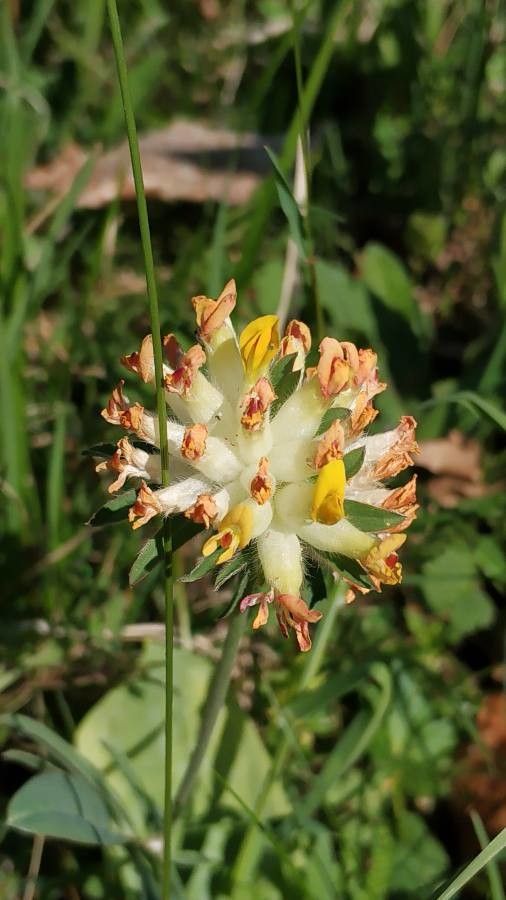
Propagating Kidney Vetch (Anthyllis vulneraria): A Gardener’s Guide
Introduction:
Anthyllis vulneraria, commonly known as Kidney Vetch, is a charming, low-growing perennial legume prized for its vibrant, pea-like flowers ranging from yellow to deep crimson, often with a striking orange-red hue. Its mounding habit and tolerance of poor soils make it a valuable addition to rock gardens, borders, and meadows, particularly in areas with full sun and well-drained conditions. While relatively easy to establish once planted, propagating Kidney Vetch can present some unique challenges, making success all the more rewarding. Its popularity among gardeners stems from its attractiveness to pollinators, drought tolerance, and ability to thrive in less fertile soils.
Seed Germination:
Seed germination is a viable, albeit sometimes challenging, method for propagating Anthyllis vulneraria. The primary hurdle is the seed’s hard coat, which often requires pre-treatment to encourage germination. Scarification, either by mechanical abrasion (gently nicking the seed coat with sandpaper) or using concentrated sulfuric acid for a short period (a technique best left to experienced propagators), is recommended. Furthermore, cold stratification is beneficial. This involves storing the seeds in a moist medium (e.g., vermiculite) at temperatures between 33-40°F (0-4°C) for 6-8 weeks. This mimics the natural winter conditions necessary to break seed dormancy. Sowing should be done in well-draining seed-starting mix, barely covering the seeds. Keep the soil moist but not waterlogged. Germination can be slow and irregular, taking several weeks to months. The rewards, however, are considerable: seed propagation offers the greatest potential for genetic diversity and is ideal for large-scale propagation.
Cuttings:
Propagating Kidney Vetch from cuttings is possible, but the success rate is generally lower than from seed. Semi-hardwood cuttings, taken in late summer or early autumn, offer the best chances. Cuttings should be approximately 4 inches long, with the lower leaves removed. Dip the cut ends in a rooting hormone powder before planting them in a well-draining, moist propagation mix. High humidity is crucial for successful rooting, which can take several weeks or even months. Cover the cuttings with a plastic bag or cloche to maintain humidity and warmth. Challenges include the potential for fungal diseases and the relatively low rooting success rate.
Division:
Division is a relatively straightforward and reliable method for propagating established Kidney Vetch plants. This is best done in spring or autumn. Carefully lift the entire plant from the ground, ensuring you don’t damage the root system excessively. Divide the plant into several smaller sections, each with its own healthy roots and shoots. Replant the divisions immediately, ensuring each has sufficient space to grow. The main challenge is ensuring each division is robust enough to survive independently, needing sufficient root mass. The rewards are faster establishment and faithful replication of the parent plant’s characteristics.
Tissue Culture:
Currently, there are no widely available or readily accessible protocols for reliable tissue culture propagation of Anthyllis vulneraria. While theoretically possible, the establishment of a successful protocol would require specialized laboratory equipment and expertise in plant tissue culture techniques.
Conclusion:
Propagating Anthyllis vulneraria, while offering the satisfaction of cultivating this lovely plant, presents varying levels of challenge depending on the chosen method. Seed germination, though potentially rewarding in terms of genetic diversity, requires patience and careful attention to pre-treatment. Cuttings offer a somewhat less reliable but simpler alternative. Division provides the most straightforward and successful propagation for established plants. Tissue culture remains largely unexplored. Ultimately, the unique satisfaction of successfully propagating Kidney Vetch, whether from seed, cutting, or division, stems from overcoming these horticultural hurdles. For aspiring propagators, experimentation and a willingness to learn and adapt are key ingredients in achieving success. Don’t be discouraged by initial setbacks; persistence and attention to detail are crucial in cultivating this delightful addition to any garden.