
Propagating Antidesma bunius: The Challenges and Rewards of Cultivating Bishop’s Wood
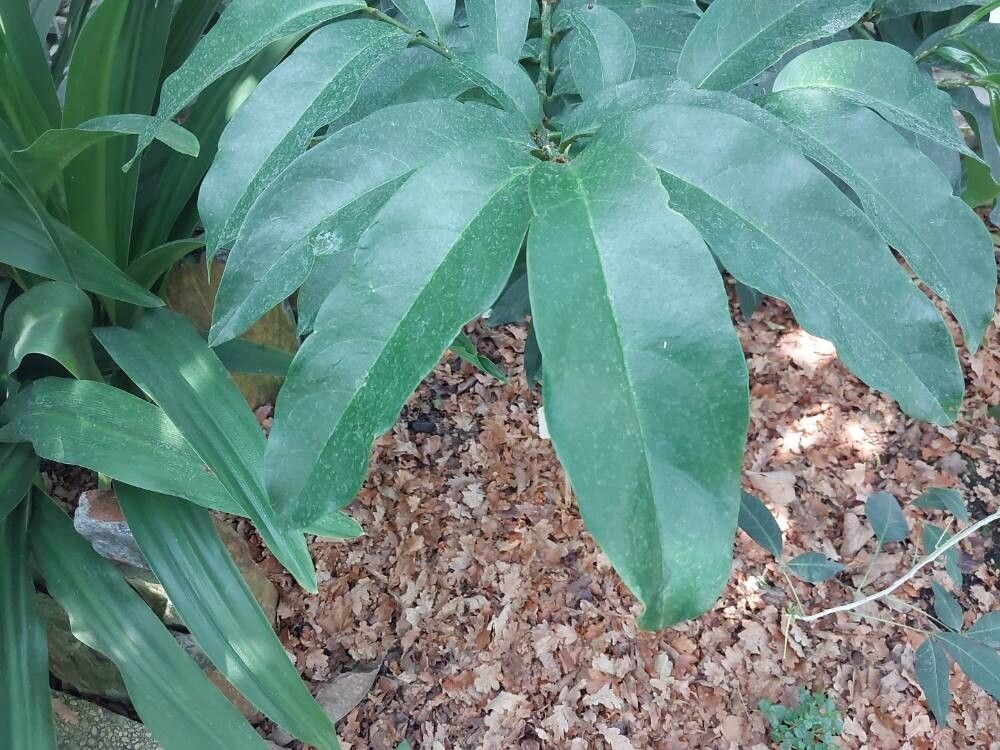
Antidesma bunius, commonly known as Bishop’s Wood, is a dioecious, tropical tree valued for its tart, red or purplish-black berries. Its attractive foliage, ranging from glossy green to reddish hues, adds to its horticultural appeal, making it a sought-after plant for both home gardens and commercial cultivation. However, propagating Antidesma bunius presents unique challenges due to its specific environmental needs and reproductive characteristics. This article explores various propagation methods, highlighting their successes and difficulties.
Seed Germination:
Seed germination of Antidesma bunius presents significant obstacles. While seeds are produced, their germination rate is notoriously low and inconsistent. Challenges include a hard seed coat that inhibits water uptake and a short viability period. Practical tips, like scarification (nicking the seed coat) followed by soaking in warm water for 24 hours, might improve germination marginally, but success is far from guaranteed. Stratification (cold treatment) has not been definitively proven effective for this species. Success depends heavily on the seed’s freshness and ideal environmental conditions, including consistent warmth and high humidity.
Rewards: Seed propagation, if successful, offers the potential for large-scale propagation and increased genetic diversity in cultivated populations. However, the extremely low success rate renders this method largely impractical for most growers.
Cuttings:
Propagating Antidesma bunius via cuttings offers a more reliable method than seed propagation. Semi-hardwood cuttings taken from new growth during the late summer or early autumn show higher rooting success. The use of rooting hormone and a humid propagation environment (e.g., a propagator with bottom heat) significantly increases the chances of success.
Challenges: Even with these techniques, rooting success can be variable. Maintaining optimal moisture levels without causing rot is crucial. Furthermore, the process is slower than other methods, requiring time and patience.
Rewards: Cuttings propagation provides a faster route to fruiting plants compared to seed propagation, as the genetic characteristics of the mother plant are maintained in the offspring.
Division:
Division is generally not a feasible method for propagating Antidesma bunius due to its tree-like structure and the difficulty of separating established root systems without causing significant damage.
Tissue Culture:
Tissue culture presents a potentially highly efficient method for large-scale propagation of Antidesma bunius. Using sterile conditions and appropriate growth media, it is possible to produce numerous clones from a small amount of source material. However, this approach requires specialized equipment, knowledge, and expertise, making it unsuitable for most home gardeners.
Challenges: Establishing and maintaining aseptic conditions is crucial to prevent contamination. Optimization of media composition and growth hormones is also critical for successful shoot multiplication and rooting.
Rewards: Tissue culture eliminates the variability associated with seed and cutting propagation and allows for rapid mass production of genetically uniform plants.
Conclusion:
Propagating Antidesma bunius poses unique challenges across all methods. While seed germination offers genetic diversity, its low success rate makes it impractical. Cuttings provide a more reliable although slower alternative. Division is impractical, and tissue culture, although highly effective, demands considerable expertise. The rewards, however, are considerable: the successful cultivation of this distinctive plant, with its attractive foliage and unique fruit, offers significant satisfaction. Aspiring propagators should consider their resources and skill levels before selecting a method. While challenging, mastering one of these techniques, particularly cuttings or tissue culture, adds to the gratification of nurturing this rewarding tree from a cutting or tissue culture. Patience, attention to detail, and a willingness to learn are key to success in cultivating this captivating plant.