
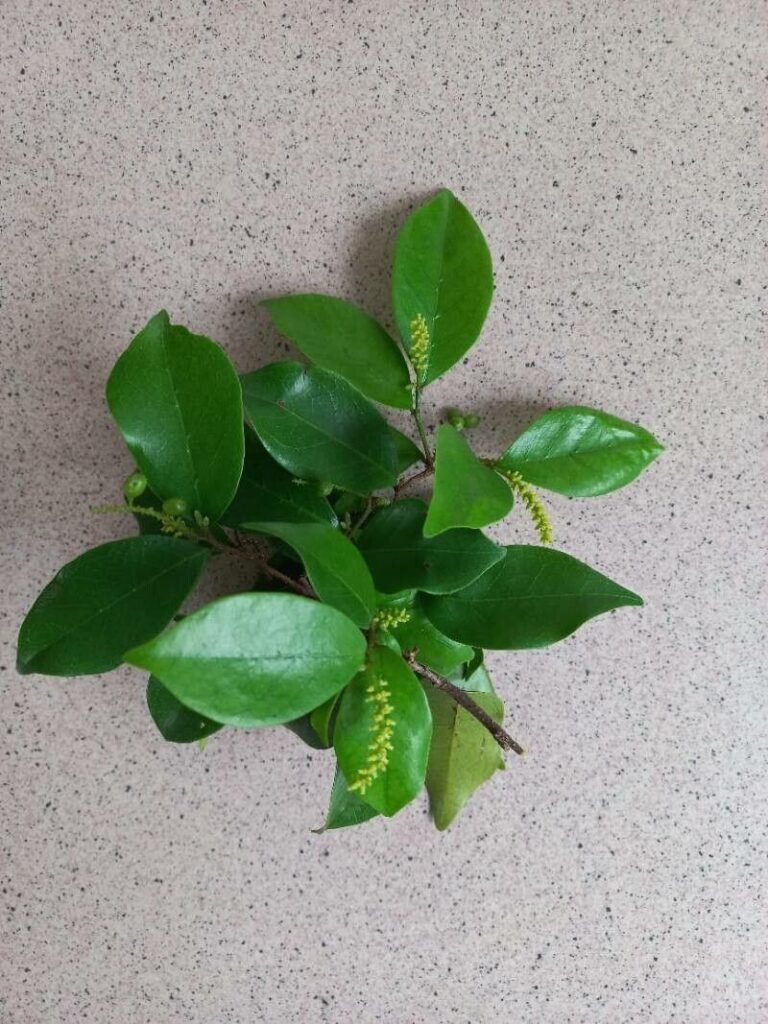
Unveiling the Secrets of Antidesma montanum: A Propagation Guide
The world of rare and unusual plants holds a special allure for many, and Antidesma montanum, with its delicate foliage and intriguing history, is no exception. Native to specific regions of Southeast Asia, this evergreen tree, sometimes reaching a height of 12 meters, is not only beautiful but also bears clusters of small, edible fruits. Whether you’re an experienced gardener or just starting out, understanding the art of propagating this unique species can be incredibly rewarding.
Two Paths to Propagation
While information on Antidesma montanum propagation can be scarce, traditional methods suggest two main avenues:
-
Seed Propagation: This method, mimicking the natural life cycle of the plant, involves extracting seeds from ripe fruits.
- The Process: Start by cleaning the seeds thoroughly, removing any fruit pulp that might encourage fungal growth. Then, sow the seeds in a well-draining, seed starting mix. Maintaining a warm and humid environment is crucial. Consider using a propagator or covering the seed tray with a clear plastic dome to trap moisture.
- Challenges: Seed germination for Antidesma montanum can be unpredictable. Fresh seeds generally offer higher success rates, but even then, germination may take several weeks or even months.
-
Cutting Propagation: For those seeking faster results and potentially preserving desirable traits of the parent plant, taking cuttings can be more effective.
- The Process: Select young, healthy stems for your cuttings. Ideally, choose segments about 4-6 inches long with several nodes (the points where leaves attach). Remove the lower leaves to prevent rotting and dip the cut end in rooting hormone powder to stimulate root development. Plant the cuttings in a well-draining potting mix and maintain consistently moist, not waterlogged, soil.
- Advantages: Cuttings generally root faster than seeds and allow you to maintain the specific characteristics of your desired plant, especially if sourced from a particularly fruitful or disease-resistant specimen.
Nurturing Your New Plants
Regardless of your chosen propagation method, patience is key. Once your Antidesma montanum seedlings or cuttings show signs of new growth, you know you’re on the right track!
- Light and Water: Provide bright, indirect light and water regularly, allowing the soil to slightly dry out between waterings. Overwatering can lead to root rot, a common issue, so be sure to use well-draining soil and a pot with adequate drainage holes.
- Fertilization: During the growing season (spring and summer), fertilize your young plants every 4-6 weeks with a balanced, diluted fertilizer to encourage healthy growth.
The Joys of Conservation
Propagating rare species like Antidesma montanum not only brings the joy of gardening but also contributes, in a small way, to the conservation of plant biodiversity. By learning to successfully cultivate these less common plants, we play a role in ensuring their survival for future generations. So, take the plunge, unlock the mysteries of Antidesma montanum propagation, and savor the reward of nurturing this unique species in your own backyard!