
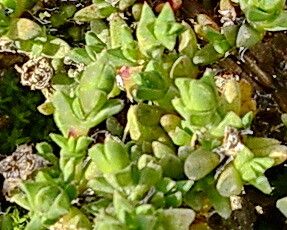
Unlocking the Secrets to Multiplying Your Mesembs: Propagating Antimima Concinna
Antimima concinna, with its vibrant pink flowers and unusual, pebble-like foliage, is a delightful addition to any succulent enthusiast’s collection. But did you know that this charming South African native, also known as the “Purple Dewplant,” is surprisingly easy to propagate? That’s right! You can multiply your Mesemb joy with just a little know-how. Let’s dive into the fascinating world of Antimima concinna propagation, exploring two popular methods:
Method 1: Seed Starting your Succulent Success
For the patient gardener, starting Antimima concinna from seed offers a rewarding journey. Here’s your step-by-step guide:
- Timing is Key: Sow seeds in spring or early summer when the days are warm and long.
- Prepare your Seedbed: Fill a shallow tray with a well-draining seed-starting mix or create your own blend using equal parts perlite and peat moss.
- Sow with Precision: Sprinkle your tiny Antimima concinna seeds sparsely over the surface, barely pressing them into the mix. These seeds need light to germinate, so refrain from burying them.
- Mist and Cover: Mist the sown surface gently with a spray bottle and cover the tray with a plastic dome or cling film to maintain humidity.
- Patience is a Virtue: Place your seed tray in a bright location, out of direct sunlight. Germination can take anywhere from a few weeks to a couple of months, so don’t be discouraged if you don’t see sprouts immediately.
- Thinning Out the Crowd: Once your seedlings have developed a couple of true leaves, thin them out to allow for better air circulation and prevent overcrowding.
- Potting On: When your Antimima concinna babies are large enough to handle comfortably, transplant them individually into small pots filled with well-draining soil.
Method 2: Cuttings for Quicker Clones
If you’re looking for faster results, propagating Antimima concinna from cuttings is your best bet:
- Choose Wisely: Select a healthy, established stem from your parent plant during the growing season (spring or summer). It’s best to pick a stem that’s not currently flowering.
- Make a Clean Cut: Using a sharp, sterilized knife or pair of scissors, cut a stem segment about 2-3 inches long.
- Let the Wound Heal: Allow the cut end of your cutting to callus over for a couple of days in a cool, dry location, out of direct sunlight. This helps prevent rot when you plant it.
- Ready to Plant: Dip the callused end of your cutting in rooting hormone (optional but helpful) and insert it gently into a pot filled with a well-draining succulent mix.
- Indirect Light and Water Sparingly: Place your newly potted cutting in a bright location out of direct sunlight. Water only when the soil is completely dry to the touch.
- Root Development: Within a few weeks, your cutting should develop roots and start to show new growth. Congratulations, you’ve successfully propagated your Antimima concinna!
Caring for your Antimima Concinna Clones
Whether you’ve chosen to start from seed or cuttings, remember that young Antimima concinna plants need a bit of extra TLC. Provide them with:
- Well-draining soil: A mix specifically designed for succulents or cacti is ideal.
- Bright, indirect light: Avoid direct sunlight, which can scorch their delicate leaves.
- Water sparingly: Allow the soil to dry out completely between waterings, and be mindful of overwatering, which can lead to root rot.
- Fertilize occasionally: A diluted balanced fertilizer can be applied during the growing season.
With these tips in hand, you’re well on your way to propagating your very own collection of beautiful and unique Antimima concinna plants. Happy propagating!