
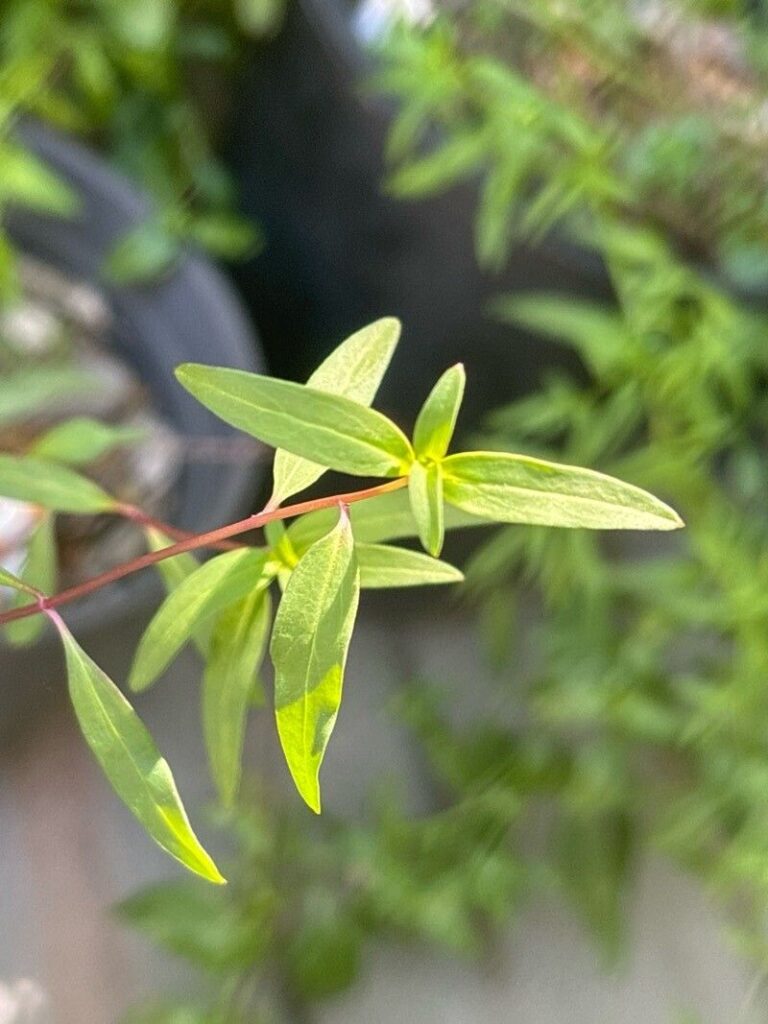
Propagating Antirrhinum cirrhigerum: A Challenging but Rewarding Endeavor
Introduction:
Antirrhinum cirrhigerum, commonly known as the climbing snapdragon or tendril snapdragon, is a fascinating climbing perennial native to the Canary Islands. Unlike its more common cousins, the bedding snapdragons, A. cirrhigerum showcases unique characteristics including its climbing habit, thanks to its tendrils, and its charming, smaller flowers. This makes it a highly sought-after plant by keen gardeners seeking something different. While its striking appearance makes it popular, propagation presents unique challenges. Its relatively low propagation rate compared to other snapdragons contributes to its less widespread cultivation.
Seed Germination:
Currently, there are no known reliable methods for seed germination propagation of Antirrhinum cirrhigerum. While seeds may be produced, their germination rate is reported to be exceptionally low, and successful germination has not been consistently documented in horticultural literature. Further research is needed to determine if specific pre-treatment techniques, such as scarification or specialized germination media, could improve germination success.
Cuttings:
Cuttings offer a more viable method for propagating Antirrhinum cirrhigerum.
Challenges: Rooting cuttings can be slow and inconsistent. The success rate is influenced by factors such as the age and health of the parent plant, the time of year (best results are often obtained in spring or early summer), and the cutting technique used.
Practical Tips: Take semi-hardwood cuttings (partially mature stems) measuring approximately 10-15cm long. Remove lower leaves to prevent rotting and dip the cut end in rooting hormone powder. Plant in a well-draining propagation mix, maintaining consistently moist (but not waterlogged) conditions. High humidity, provided by a cloche or propagator, significantly improves rooting success. Bottom heat can also speed up the process.
Rewards: Cuttings offer a relatively straightforward method to produce genetically identical plants to the parent, preserving desirable traits. This is especially useful for maintaining particularly attractive cultivars.
Division:
Division is not a practical method for propagating Antirrhinum cirrhigerum. This plant does not readily form easily separable clumps or offsets suitable for division.
Tissue Culture:
Tissue culture offers the potential for large-scale propagation of Antirrhinum cirrhigerum.
Challenges: Establishing a successful tissue culture protocol requires specialized knowledge, equipment, and a sterile environment. This method is generally more expensive and time-consuming than cuttings.
Practical Tips: Sterile techniques are crucial to prevent contamination. Culturing requires selecting appropriate media, growth regulators, and carefully monitoring conditions such as temperature, light, and humidity. Expertise in plant tissue culture is essential for success.
Rewards: Tissue culture allows for mass production of genetically uniform plants, potentially valuable for commercial propagation or conservation efforts. It also offers the possibility of overcoming seed germination difficulties.
Conclusion:
Propagating Antirrhinum cirrhigerum presents unique challenges across all methods explored. While seed germination appears unreliable, cuttings provide a relatively accessible though sometimes inconsistent technique. Tissue culture offers the most promising method for large-scale propagation but demands significant expertise. The rewards, however, are well worth the effort for plant enthusiasts. Successfully cultivating this attractive climbing snapdragon, after having overcome the hurdles of propagation, provides immense satisfaction. The unique beauty and rarity of Antirrhinum cirrhigerum make it a prized addition to any garden, rewarding the patience and dedication of those who successfully propagate it. For aspiring propagators, patience, meticulous attention to detail, and perhaps some experimentation are key to success. Don’t be discouraged by initial setbacks – the eventual triumph makes the journey worthwhile.