
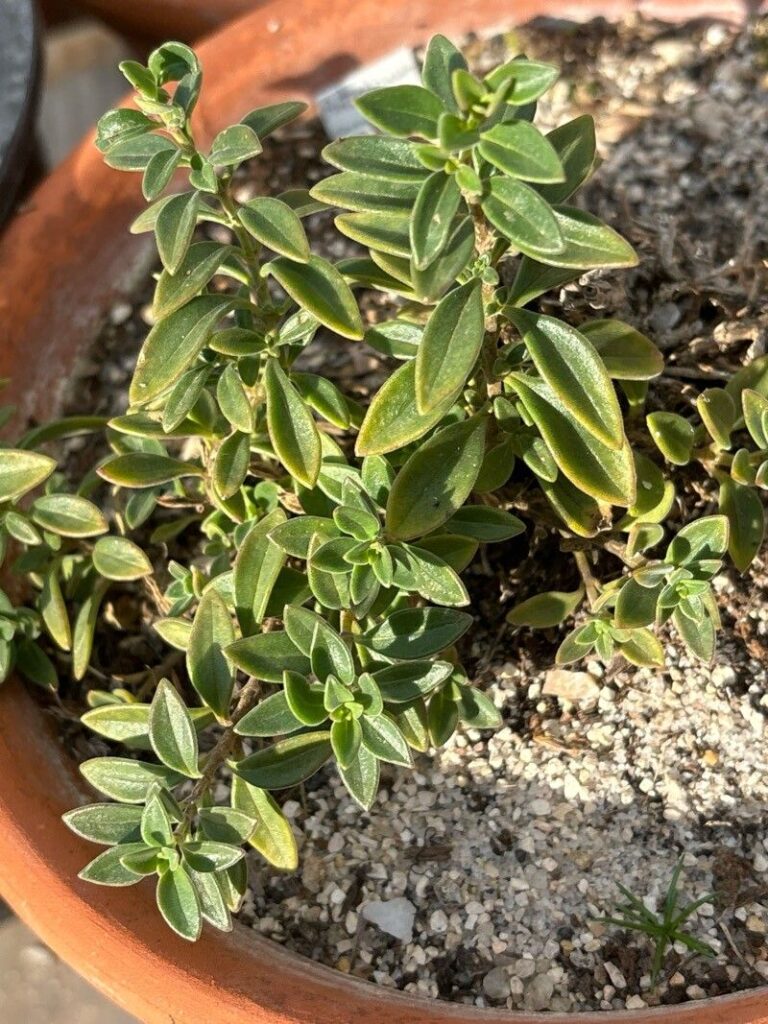
Propagating Antirrhinum sempervirens: A Gardener’s Guide
Introduction:
Antirrhinum sempervirens, commonly known as the evergreen snapdragon, is a captivating perennial boasting attractive, vibrant flowers and evergreen foliage. Unlike its more common annual cousin, Antirrhinum majus, A. sempervirens offers a longer lifespan and continuous blooms, making it a prized addition to rock gardens, borders, and containers. Its relatively compact size and tolerance of drought conditions add to its horticultural appeal. While not as readily available as the annual snapdragons, its unique characteristics make propagation a rewarding endeavor for enthusiastic gardeners.
Seed Germination:
Currently, there are no known reliable methods for seed germination propagation of Antirrhinum sempervirens. While Antirrhinum majus readily propagates from seed, the evergreen species appears to have a significantly lower germination rate, or even a lack of viable seed production in cultivation. Further research into the species’ reproductive biology could potentially uncover successful techniques in the future.
Cuttings:
- Viability: Cuttings are a viable and relatively straightforward method for propagating Antirrhinum sempervirens.
- Challenges: While successful, rooting can be slower than with some other plants. Overwatering and fungal diseases are potential issues. Choosing healthy, non-flowering stems is crucial.
- Practical Tips: Take semi-hardwood cuttings (partially mature stems) in spring or early summer. Remove lower leaves to prevent rot and dip the cut ends in rooting hormone. Plant cuttings in a well-draining potting mix, maintaining consistent moisture but avoiding sogginess. Use a humidity dome or propagator to maintain high humidity. Rooting typically takes several weeks.
- Rewards: This method allows for the preservation of desirable characteristics of the parent plant, resulting in genetically identical offspring. It’s also a relatively rapid method for producing a moderate number of plants.
Division:
- Viability: Division is a viable method, particularly for established plants.
- Challenges: Dividing Antirrhinum sempervirens may be disruptive to the plant, potentially causing stress and slowing growth. It is best attempted in spring or fall during periods of active growth. Choosing the right time is crucial to ensure successful establishment of the divisions.
- Practical Tips: Carefully dig up the mature plant and gently separate it into smaller sections, ensuring each division has sufficient roots and stems. Replant the divisions immediately, ensuring they are placed at the same depth as before. Water thoroughly after planting.
- Rewards: This method allows for rapid increase in plant numbers, especially if the original plant is quite large. It avoids the time investment required for cuttings.
Tissue Culture:
- Viability: While potentially viable, tissue culture propagation of Antirrhinum sempervirens is typically undertaken in specialized laboratories and is not a practical method for home gardeners.
- Challenges: Tissue culture requires specialized equipment, sterile conditions, and a detailed understanding of plant tissue culture techniques. Contamination is a major risk.
- Practical Tips: This propagation method is best left to professionals or research institutions with the necessary resources and expertise.
- Rewards: Tissue culture allows for mass production of genetically identical plants and the elimination of diseases. It’s a powerful method for preserving rare cultivars.
Conclusion:
Propagating Antirrhinum sempervirens presents unique challenges compared to its annual counterparts. While seed propagation appears unreliable, cuttings and division offer practical alternatives for home gardeners. Cuttings provide a relatively straightforward, albeit somewhat slower, method for preserving desirable traits, while division is quicker but potentially more stressful to the parent plant. The reward for successfully propagating this charming evergreen snapdragon is significant – enjoying the continuous blooms and knowing you’ve cultivated these plants yourself, overcoming the inherent propagation difficulties. Don’t be discouraged by initial setbacks; patience and attention to detail are key to success with this valuable perennial. Start with the less complex method of cuttings and gradually build your confidence and skill.