
Propagating the Spreading Dogweed: A Gardener’s Guide to Aphanostephus ramosissimus
Introduction
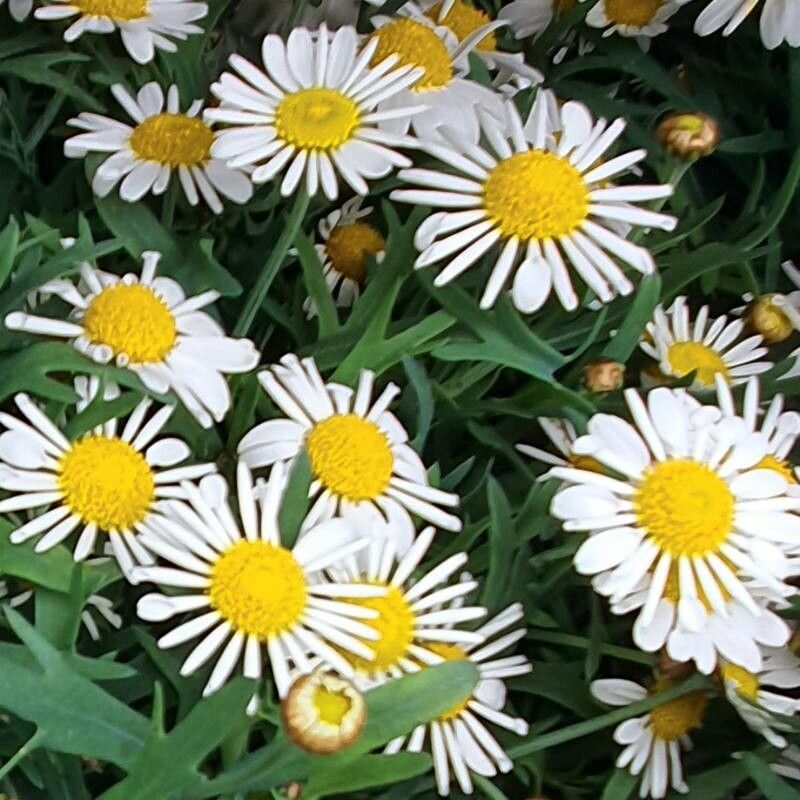
Aphanostephus ramosissimus, commonly known as spreading dogweed, is a charming, low-growing annual wildflower native to the southern United States. Its profuse display of small, daisy-like flowers, ranging from white to pale lavender, makes it a beloved addition to rock gardens, meadows, and wildflower borders. Its drought tolerance and ability to self-seed contribute to its popularity among gardeners seeking low-maintenance, aesthetically pleasing plants. However, its propagation can present some unique challenges, making success all the more rewarding. This article explores various methods of propagating Aphanostephus ramosissimus to guide gardeners in their endeavors.
Seed Germination
Seed germination for Aphanostephus ramosissimus is a viable, albeit somewhat challenging, method. The main challenge lies in the seeds’ relatively low germination rate and their sensitivity to both overly wet and overly dry conditions.
Challenges: Low germination rate, susceptibility to damping-off (fungal disease in seedlings), and the need for consistent moisture levels without overwatering.
Practical Tips: Sow seeds directly outdoors in the fall or early spring, after the last frost. Lightly cover the seeds with fine soil or vermiculite. Maintain consistently moist (but not waterlogged) soil until germination occurs. Bottom watering is recommended to prevent damping-off. Consider using a well-draining seed-starting mix. For increased germination success, consider pre-soaking the seeds for 24 hours in warm water before sowing. No cold stratification is necessary.
Rewards: Seed propagation offers high genetic diversity, resulting in a wider range of plant characteristics. It’s also a cost-effective method allowing for large-scale propagation.
Cuttings
Cuttings are a less reliable method for propagating Aphanostephus ramosissimus. Successful propagation through this method is largely dependent on timing and conditions.
Challenges: Low rooting success rate. The plant’s relatively woody stems make it difficult to take and root cuttings successfully.
Practical Tips: Take softwood cuttings in spring or early summer from actively growing tips. Use a rooting hormone and plant cuttings in a well-draining potting mix. Keep the cuttings consistently moist in a humid environment, but avoid overwatering. A humidity dome or propagator can be beneficial.
Rewards: If successful, cuttings can produce genetically identical clones of the parent plant, ensuring the preservation of desirable traits. However, given the low success rate, other methods are generally preferred.
Division
Division is not a practical method for propagating Aphanostephus ramosissimus. This annual plant does not form large clumps or rhizomes suitable for division, unlike many perennials.
Tissue Culture
Currently, there are no widely available or readily accessible protocols for tissue culture propagation of Aphanostephus ramosissimus. This would require specialized laboratory equipment and expertise.
Conclusion
Propagating Aphanostephus ramosissimus presents unique challenges, with seed germination offering the best chance of success, although still requiring careful attention to detail. Cuttings are less reliable, and division and tissue culture are not practical methods. The rewards, however, are significant. Successfully cultivating this lovely wildflower from seed or cuttings offers a deep sense of satisfaction, especially when considering the difficulties involved. Don’t be discouraged by initial setbacks – persistence and attention to the specific needs of this plant are key to your success. Experimentation and careful observation will significantly improve your chances of enjoying a flourishing display of spreading dogweed in your garden.